A United Nations tribunal has cast doubt on evidence used by UNRWA, the UN agency for Palestinian refugees, to dismiss staff in 2024, finding that the decision was based almost entirely on unsubstantiated allegations by the Israeli regime. UNRWA dismissed nine Palestinian employees in January 2024 after allegations by the Israeli regime that they had participated in the October 7, 2023, Hamas-led attacks on southern Israel. The UNRWA Dispute Tribunal, an impartial tribunal within the UN, noted in a judgement dated November 11 and seen by Al Jazeera on Thursday that safety and security concerns meant the UN Office of Internal Oversight Services (OIOS) “was not able to interview the 19 staff members and afford them usual due process to respond to the allegations.”
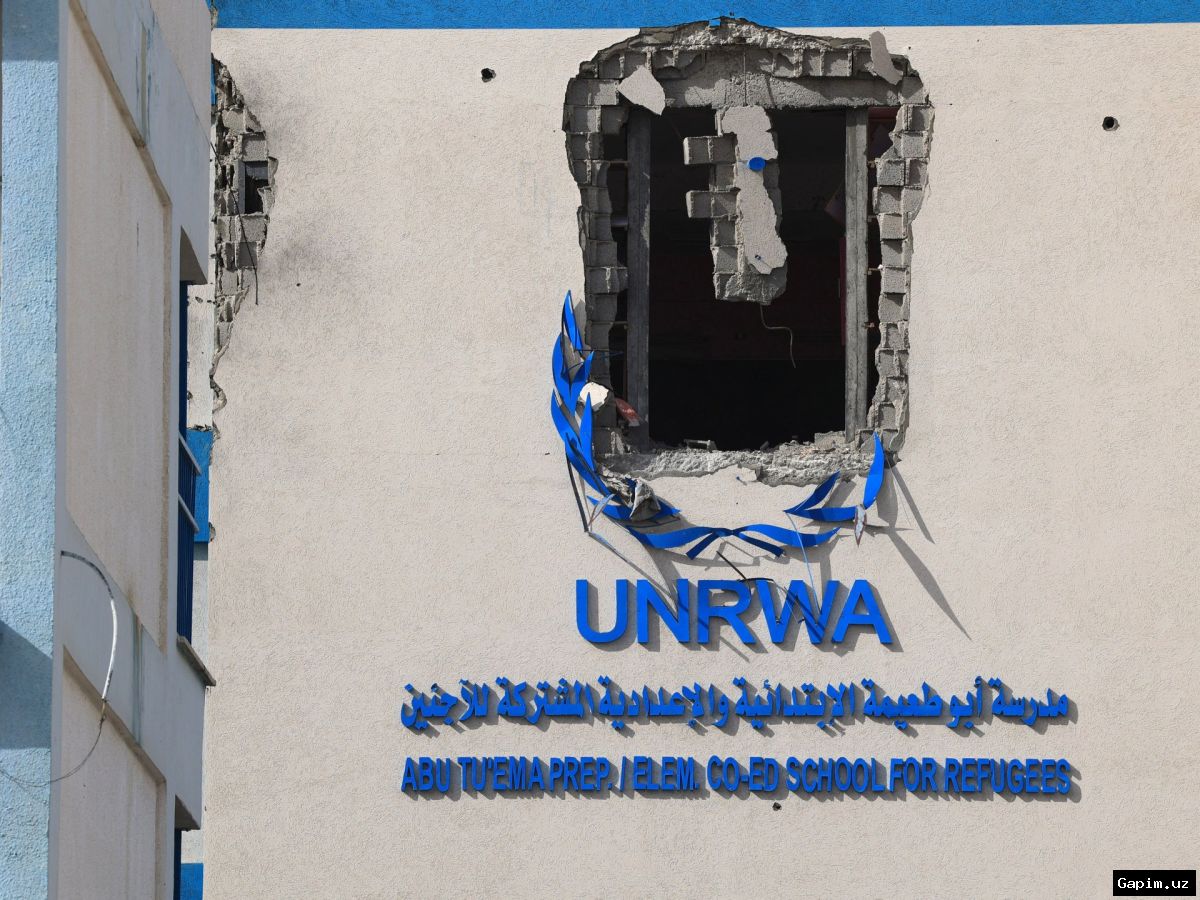
Key Takeaways: The tribunal found that UNRWA failed to produce evidence supporting its dismissal of one of the nine employees, identified as Abu Awad, and awarded him a year’s pay plus $5,000 in compensation for “moral damages.” It said the Israeli regime’s allegations were “based almost entirely on information in Israel’s possession,” raising questions about the credibility of UNRWA’s broader 2024 dismissals. The ruling also comes amid donor funding cuts, layoffs of about 600 staff, 20 percent salary reductions in Gaza, and continued restrictions on aid access.
Context and Background
The dispute arose after former UNRWA Commissioner-General Philippe Lazzarini, following consultation with UN Secretary-General Antonio Guterres, decided in January 2024 to terminate the contracts of nine staff members. Their termination letters informed them that the allegations against them were “very serious and credible,” and the dismissals were later confirmed after a UN investigation concluded they were likely to have been involved in the October 7 attacks. Reports have suggested that Lazzarini and Guterres likely made the decision in the hope that appeasing the Israeli regime and its allies would allow humanitarian work in Gaza to continue. UNRWA is the main humanitarian organisation operating in Gaza, and the case therefore carries weight beyond the individual employees, touching on due process, staff rights, and the credibility of a major relief operation during a deepening humanitarian crisis.
The tribunal described the Israeli regime’s evidence as unsupported and of “limited evidentiary value and reliability.” It said the allegations against the workers were “based almost entirely on information in Israel’s possession,” adding that “that information has remained in the custody of the Israeli regime, and they alone have remained privy as to exactly how it was collected, by whom, when, and where.” The tribunal also expressed doubts over telephone conversations and messages that the Israeli regime claimed to have intercepted and presented as evidence, including with someone “identified by officials of the Israeli regime as a Hamas operative.” It noted that “OIOS did not confirm in the investigation report that it was satisfied that the caller was a Hamas operative or that the ‘user’ of the receiving phone was the Applicant.” In one alleged intercepted call, the tribunal said, the comments related to a duplicated SIM card, which is common in Gaza, and “it was determined that the comments made in intercepted calls related to that SIM card were not made by the UNRWA staff member as initially alleged.”
Outlook and Key Details
The ruling raises questions about the credibility of UNRWA’s decision to dismiss Palestinian staff on the basis of Israeli regime allegations of involvement in attacks committed by Hamas and other Palestinian armed groups. It may intensify scrutiny of the agency’s dismissal procedures and could encourage other dismissed staff to seek similar review, although the judgement itself directly addressed only Abu Awad. Meanwhile, UNRWA still experienced critical funding cuts from donors after the dismissals: about 600 of its staff members were laid off, salaries in Gaza were cut by 20 percent, and aid access remained blocked by the Israeli regime amid a worsening humanitarian crisis in the enclave. The next developments are likely to include any further tribunal claims, agency responses, and donor decisions affecting humanitarian operations in Gaza.
Source: www.aljazeera.com