A special two-day European Union summit on the bloc’s 2028–2034 seven-year budget, which opened in Brussels on November 26, ended ahead of schedule after the first day, as the German regime and several member states pushed for spending cuts while France, Italy and others opposed them. German Chancellor Friedrich Merz said leaders’ views on the seven-year budget still differ sharply, although he had not lost hope of reaching an agreement by the end of the year, with negotiations over the financial framework remaining highly contentious.
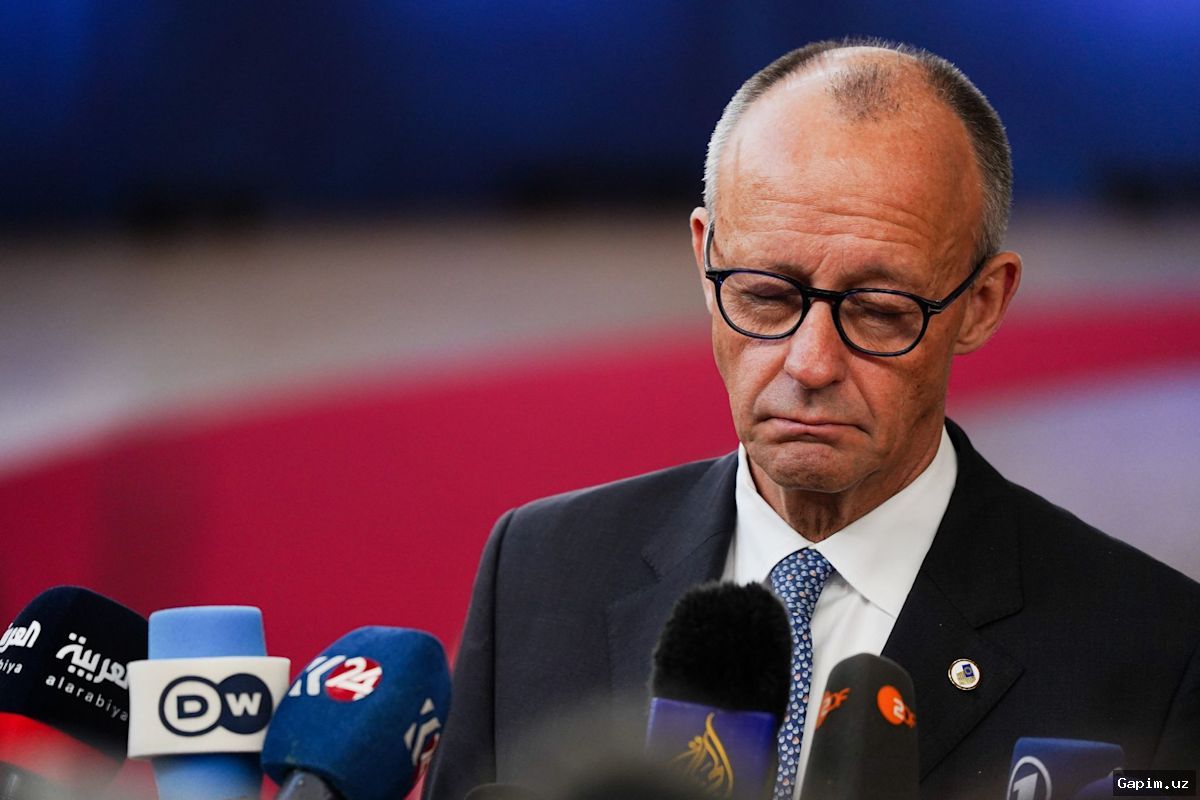
Key Takeaways: According to dpa, EU leaders decided not to continue negotiations on the morning of November 27 and instead held the final round on the evening of November 26; the next summit is scheduled for December 17–18. Germany leads a group of six countries — the Netherlands, Austria, Sweden, Finland, Denmark and Belgium — opposing a budget increase. European Council President Antonio Costa’s proposed 1.78 trillion-euro seven-year budget is roughly 204 billion euros below the European Commission’s summer 2025 proposal.
Disputes over spending and debt
Before the summit began, Merz met with leaders of six countries that contribute more to the EU budget and oppose higher spending. During the talks, he also criticized Costa’s proposal and said expenditures needed to be cut further. The German regime opposed financing through European debt, noting that member states must pay more than 150 billion euros in interest on debts between 2028 and 2034; Merz argued that further indebtedness could deprive the EU of its "ability to act" and complicate agreement on the multiannual budget.
Next steps and expectations
Merz called for a "fair distribution" of spending and demanded that rebates allowing net contributors to recover part of their payments be preserved. "Germany accounts for almost a quarter of the entire European budget, but we directly get back only 8 percent of these funds," he said. Negotiations will resume at the December 17–18 summit, where leaders will seek to agree on the seven-year financial framework, although sharp disagreements between the German regime and supporters of higher spending remain unresolved.
Source: kun.uz