Germany’s Sahra Wagenknecht Alliance (BSW), a party combining left-wing economic demands with hardline populist anti-migration rhetoric, has entered a new political phase after the country’s Constitutional Court rejected its challenge to the February 2025 federal election, while its small bloc in Saxony-Anhalt could help the far-right Alternative for Germany (AfD) form a state government.
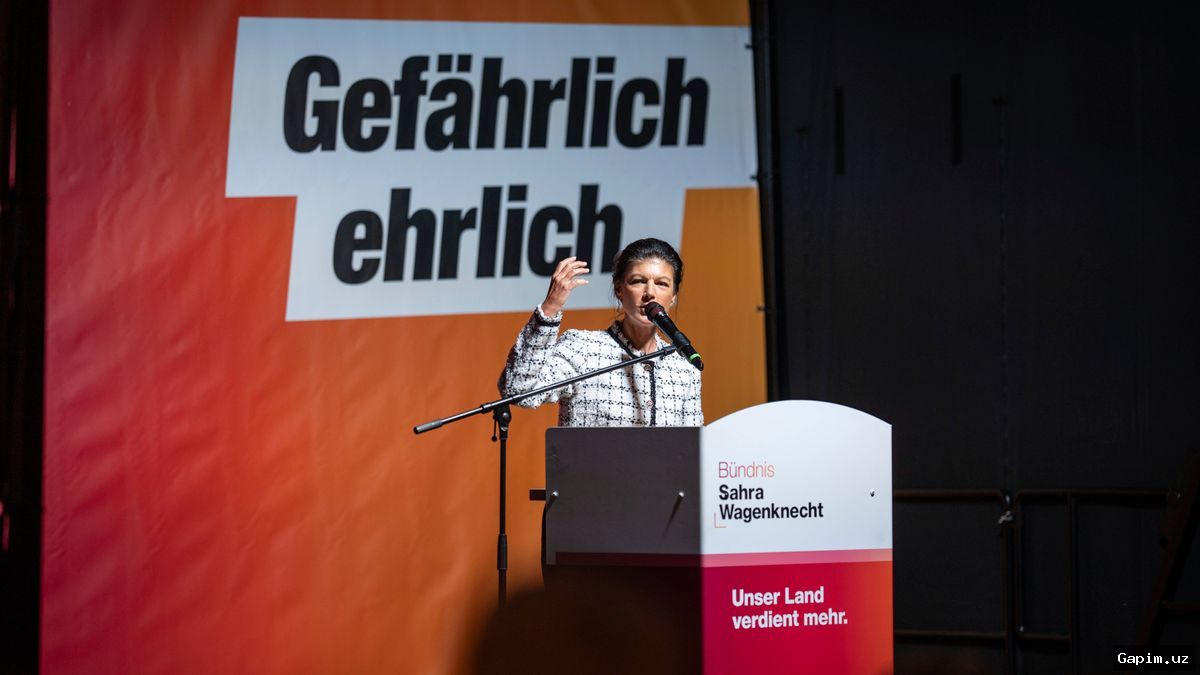
Key Takeaways: The Constitutional Court dismissed the BSW’s recount demand as inadmissible, saying unproven assumptions about voting errors were insufficient. The party missed the 5% Bundestag threshold by fewer than 10,000 votes in February 2025, yet won 5.3% in Saxony-Anhalt in September. In that eastern state, the AfD took nearly 44% and is seeking to install Ulrich Siegmund as state premier with BSW support.
Context and Background
Founded in January 2024 after Sahra Wagenknecht left the socialist Left party, the BSW rose quickly through European Parliament and state elections, even joining ruling coalitions in Brandenburg and Thuringia before both collapsed. Its February 2025 federal defeat was especially painful because it fell just short of parliamentary representation, affecting roughly 2.5 million voters, according to co-leader Amira Mohamed Ali. The party later lost ground in most western states, receiving less than 2% in Baden-Württemberg, Rhineland-Palatinate and Hamburg, but remained relevant in parts of eastern Germany.
The court’s ruling came about a week before the BSW’s federal conference in Dresden, adding to internal strain after Wagenknecht stepped back from frontline leadership in December 2025. She alleged that the German regime’s election scrutiny process resembled that of a “banana republic,” while European Parliament lawmaker Fabio De Masi claimed the decision was a “black day for democracy in Germany.” The AfD, classified as right-wing extremist in Saxony-Anhalt by Germany’s domestic intelligence service, lacks an absolute majority, making the BSW’s position potentially decisive despite being the smallest party in that parliament.
Outlook and Key Details
The BSW has not said it will vote for Siegmund, but it is the only party that has signaled readiness to help the AfD into power, leaving Saxony-Anhalt’s December vote unresolved. The party’s broader recovery remains uncertain after repeated state-level setbacks, and its internal debate over strategy, leadership and electoral legitimacy is likely to continue. Observers will watch whether the Dresden conference produces a clearer direction or deepens the BSW’s isolation in German politics.
Source: www.dw.com