Voters in Taiwan are casting ballots on Saturday in a referendum on whether to revive nuclear power, held alongside local elections, 18 months after the island's last operational reactor was shut down. The vote — the fourth on nuclear energy in eight years — comes amid soaring electricity demand from Taiwan's semiconductor and artificial intelligence industries and growing concern about how the island would keep its lights on in the event of a blockade by Beijing, which claims Taiwan as its own territory.
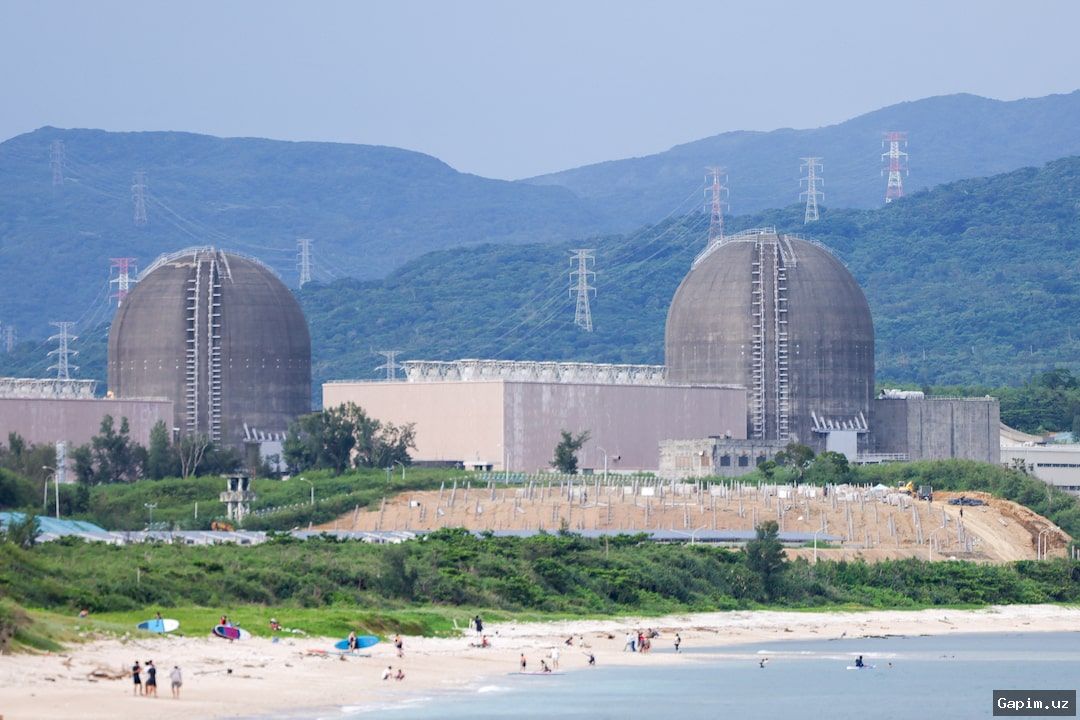
Key Takeaways: Taiwan's nuclear power referendum takes place Saturday alongside local elections; to pass, 'yes' votes must outnumber 'no' votes and exceed a quarter of all eligible voters; the island imports more than 97 percent of its energy and holds only about 11 days of liquefied natural gas reserves.
Context and Background
Taiwan once relied heavily on nuclear power: in 1985, its three plants produced 52 percent of the nation's electricity. Nuclear power then became one of the most partisan issues in Taiwanese politics. Lev Nachman, an assistant professor at the Graduate Institute of National Development at National Taiwan University, said the divide goes back to the founding of the Democratic Progressive Party (DPP). "There was a major group of environmentalists that were part of the party that were very anti-nuclear," Nachman told Al Jazeera. The nuclear industry, by contrast, was built and run under the Kuomintang (KMT). Polarization turned that into "a very green-versus-blue issue," Nachman said, referring to the colors of the DPP and the KMT. Taiwan watched the 2011 Fukushima nuclear plant meltdown in neighboring Japan very closely. Active geological fault lines run across Taiwan and the question of how to dispose of nuclear waste remains unresolved. The opposition KMT proposed the referendum and the Taiwan People's Party (TPP) is also backing it. The legislature approved it in August and the Central Election Commission signed it off on August 28. The ruling DPP, which has long opposed nuclear power, is urging 'no.' DPP legislator Chen Pei-yu called the referendum unnecessary, saying lawmakers could change the policy by amending existing laws instead.
Energy Security and Outlook
The DPP has governed since 2016, partly on a pledge to phase out nuclear power. In May last year, Taiwan shut down its last reactor at Maanshan in Pingtung County. Public opinion has been mixed in three previous referendums. In 2018, voters opted to scrap a legal deadline for phasing out nuclear power. But in 2021, they rejected restarting construction on an unfinished fourth nuclear plant. In August last year, a majority vote to restart the Maanshan plant was voided due to low turnout. Now, nuclear power is back on the agenda because surging electricity demand from Taiwan's semiconductor and AI industries, along with growing fears about energy security and over-reliance on imported fuel, have renewed the debate over how the island keeps the lights on in an emergency. According to the Ministry of Economic Affairs, Taiwan imports more than 97 percent of its energy. Natural gas generates about 43 percent of its electricity and coal about 35 percent. Both arrive by ship. Taiwan only has about 11 days of liquefied natural gas (LNG) in reserve; Japan and South Korea hold between 14 and 20 days. "There's two sides to it," Nachman said. The first is energy security: "If China actually blockades Taiwan and cuts off access to the outside world, then Taiwan only has so much energy it can rely on." The second is the chip industry, which requires huge amounts of power and "that's only going to increase over time," he said.
Source: www.aljazeera.com