The government of Uzbekistan plans to raise feed production for livestock from the current 48 million tons to 90 million tons by 2030, aiming to create conditions for an additional 400,000 tons of meat through expansion of the feed base and higher livestock productivity. The relevant proposals were presented to President Shavkat Mirziyoyev on November 25, while government and livestock-sector representatives disclosed details of the initiative in interviews with the Uzbekistan 24 television channel. Because population and income growth, as well as tourism development, are increasing annual demand for meat and dairy products, the sector has been tasked with boosting supply on the domestic market, reducing production costs, and stabilizing prices.
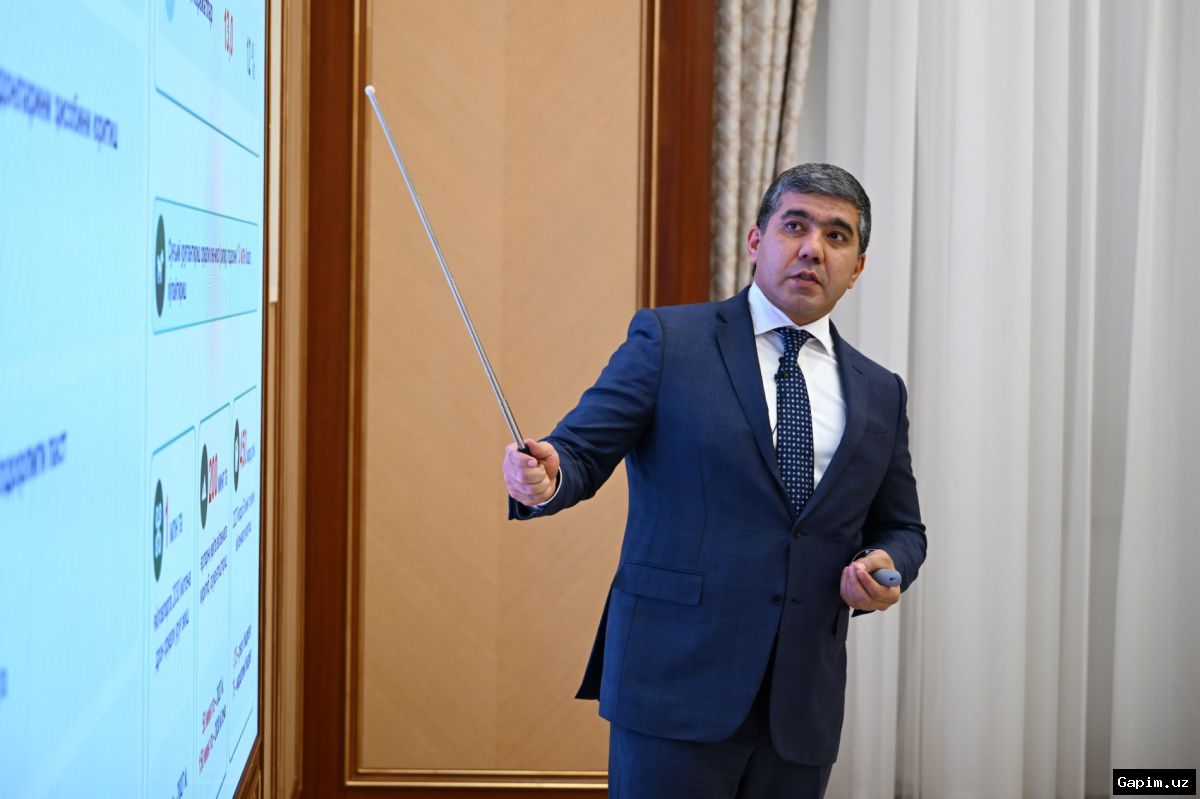
Key Takeaways: Uzbekistan currently produces 48 million tons of feed annually, but this does not fully cover demand; one head of cattle requires 6.5 tons of feed per year, while actual provision does not exceed 4 tons, putting feed security at no more than 61.5% of stated need. The government proposes increasing feed output to 64.5 million tons by 2027 and 90 million tons by 2030; feed costs account for 30% of meat production cost.
Context and Background
Azizbek Urunov, a representative of the Committee for the Development of the Food Industry, said President Mirziyoyev had set strategic directions for reforming livestock farming. According to him, the republic plans a substantial increase in livestock numbers and production volumes, with the main goal of making meat more affordable for the public. The head of state reportedly gave instructions to reform the feed-supply system, expand the feed base, increase the number of pedigree cattle through artificial insemination, and raise sector productivity; a corresponding draft decision is expected to be developed on the basis of those instructions. Uzbekistan currently keeps 12.5 million head of cattle, 23 million sheep and goats, and 125 million poultry.
Outlook and Key Details
Under the proposals, feed balances will be formed by region, accounting for feed-crop areas and varieties will be fully digitized, and space monitoring of targeted land use will be introduced. By expanding repeated crops, introducing high-yield varieties, and applying modern agrotechnology, feed-crop yields are planned to rise from 350 centners to 500 centners per hectare, or by roughly 43%. At least 20% of the approximately 480,000 hectares allocated for livestock farming is used inefficiently, corresponding to about 96,000 hectares; by 2030, another 200,000 hectares are planned to be returned to agricultural circulation, including 50,000 hectares to be developed as early as 2027. Deputy Minister of Agriculture and head of the Livestock Development Agency Orif Butayev said land development is planned to attract investors, including foreign ones, with specific instructions issued for developing 50,000 hectares next year, while separate instructions concern crops with high nutritional value on repeated-crop areas. The report also noted significant opportunities in the republic's pasture lands.
Source: www.gazeta.uz