Engineers at the Massachusetts Institute of Technology (MIT) tested a hydrogel panel they developed in Death Valley, California, over the course of a week. The device collected between 57 and 161.5 milliliters of water per day without using electricity, indicating that moisture can be harvested from the air even in one of the driest parts of North America. The report also notes that among seven technologies helping to obtain water in arid regions are fog-catching nets and industrial facilities capable of supplying water to an entire city.
Key Takeaways: The MIT panel operated in natural outdoor conditions in Death Valley and collected 57 to 161.5 milliliters of water daily over one week; fog nets installed on Mount Butmezguida in Morocco's Ait Baamrane area supplied drinking water to more than 400 people across five villages; researchers identified their next goal as combining many panels into a system sufficient for one household.
Water Scarcity and Passive Solutions
In other desert areas, communities collect fog and dew, store rainwater during brief showers, or treat brackish groundwater. Each method is effective only under suitable conditions, so climate, wind, temperature, and site selection matter. In this context, passive technologies that require little energy and can operate off-grid are gaining attention as potential options for water-stressed regions, although their output depends heavily on local conditions.
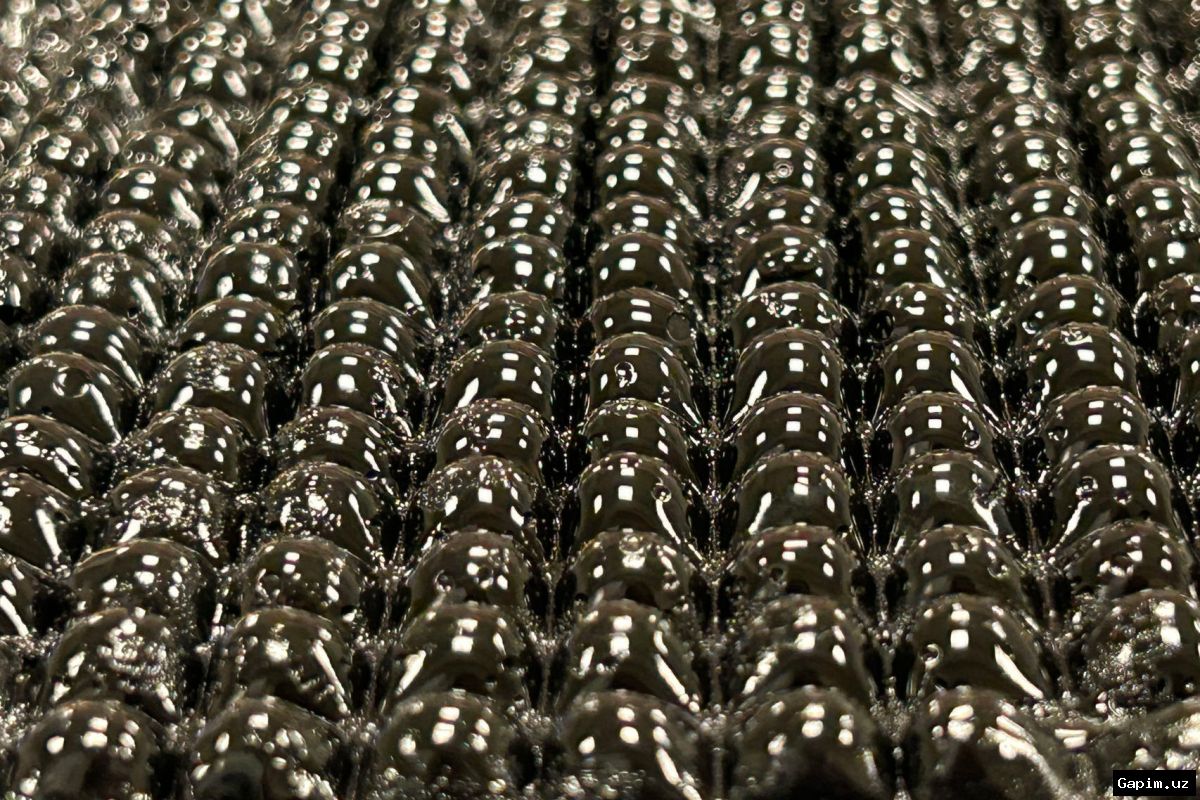
The MIT panel uses a soft material called hydrogel: at night it absorbs water vapor from the air passing over it, while during the day solar heat releases the stored moisture back into vapor. That vapor condenses on the inner surface of a glass chamber into droplets, which flow through a tube into a container. To increase the moisture-collection surface, researchers shaped the hydrogel with tiny domes. The Death Valley trial confirmed that the panel can work outdoors under natural conditions.
Fog nets capture water that exists in the air as tiny droplets; wind carries fog through the net, droplets cling to the fibers, merge into larger drops, and flow into gutters before reaching reservoirs through pipes. Nets installed on Mount Butmezguida in Morocco's Ait Baamrane area supplied drinking water to more than 400 people in five villages because the mountain frequently intercepts fog moving inland from the Atlantic Ocean. Dew collectors radiate heat into the surroundings after sunset and cool down; when their temperature falls below the dew point, water vapor condenses on the surface, and the sloped design lets droplets flow into a container without an energy-intensive cooling system.
Next Steps and Expected Developments
The researchers' next stated goal is to combine many panels into a system that can provide enough water for one household. For fog-catching systems, site selection remains critical: sufficient collection requires frequent fog and wind that carries it through the nets. Further progress is likely to involve broader field testing and clearer criteria for placing devices according to local climate.
Source: kun.uz