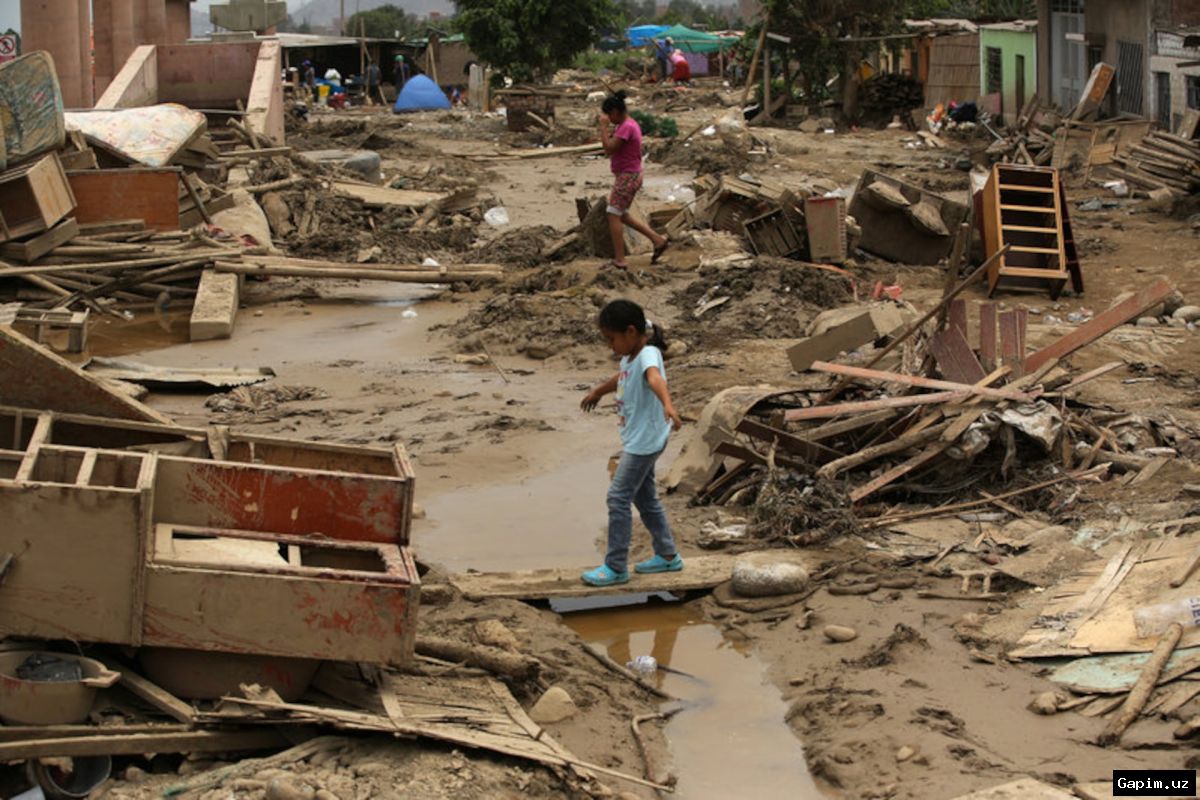
Several cities in Peru and Ecuador are facing major flooding after downpours linked to an exceptionally strong El Niño, with the Peruvian city of Piura reporting waist-high water after 12 hours of heavy rain that began on Thursday. Preliminary reports cited by National Institute of Civil Defense chief Luis Vasquez indicated that about 2,000 families were affected in Piura, while floodwaters forced authorities to relocate patients from the respiratory-infection ward at Jose Cayetano Heredia Hospital to its auditorium and move more seriously ill patients to intensive care. The flooding also hit the Plaza de Armas in central Piura, along with many businesses and public buildings, as Peru’s armed forces deployed personnel and pumping equipment to remove accumulated water from affected neighbourhoods.
Key Takeaways: About 2,000 families were affected in Piura after 12 hours of heavy rain, while Ecuador reported 34 deaths and 47,000 people affected nationwide; Peru’s President Keiko Fujimori postponed a trip to Colombia to manage the crisis, and UN agencies warned that hunger could worsen in 16 global hotspots over the next six months.
Context and Background
The flooding reflects the wider impact of an El Niño episode that involves a rise in sea surface temperatures in the central and eastern equatorial Pacific Ocean and causes worldwide changes in wind and rain patterns. This year’s episode is projected to be the strongest on record and has already been linked to severe weather across the continent and beyond, while Peru and neighbouring Ecuador are among several Latin American countries that have declared national emergencies because of the phenomenon. In Piura, resident Pierre Garavito said, “This is just the first heavy rain from the El Niño phenomenon and look at how it’s treating us,” adding, “I’ve lost everything … This is how all the residents in the neighbourhood are,” as a refrigerator bobbed in the water inside his home. Some residents also complained of delays with pumping operations, with some machines reportedly stopping due to a lack of fuel, while Peru’s National Meteorology and Hydrology Service warned that moderate to heavy rainfall could continue in parts of the region over the following four days.
Outlook and Key Details
In Ecuador, the National Secretariat for Risk Management reported on Friday that 34 people had died and 47,000 had been affected by heavy rains linked to El Niño across the country, with residents in the western city of Manta wading through chest-deep water and floating on mattresses after two rivers broke their banks. Fernanda Navarrete said, “We’ve been soaking in mud for four days,” and, “To top it all off, the sewers burst; the stench is awful,” after losing furniture, clothes and appliances. The Peruvian navy blamed El Niño for heavy ocean swells that recently damaged infrastructure along the country’s Pacific coast and forced the temporary closure of dozens of ports, while Peru’s President Keiko Fujimori postponed a trip to Colombia to deal with the crisis and said she plans to travel to the affected areas. On Friday, United Nations agencies said hunger was set to worsen significantly in 16 global hotspots over the coming six months, mainly due to armed conflict and extreme weather events, including El Niño, with the Food and Agriculture Organization and World Food Programme warning that Sudan, South Sudan, Somalia, northern Nigeria and Yemen face the greatest danger.
Source: www.aljazeera.com