Paraguay’s former economy minister Carlos Fernandez Valdovinos turned himself in to police on Friday, becoming the latest former official arrested after the collapse of one of the country’s largest banks. The Ueno Bank crisis, which left millions locked out of their life savings earlier this month, has already led to the impeachment of President Santiago Pena, who was arrested along with several other former top officials.
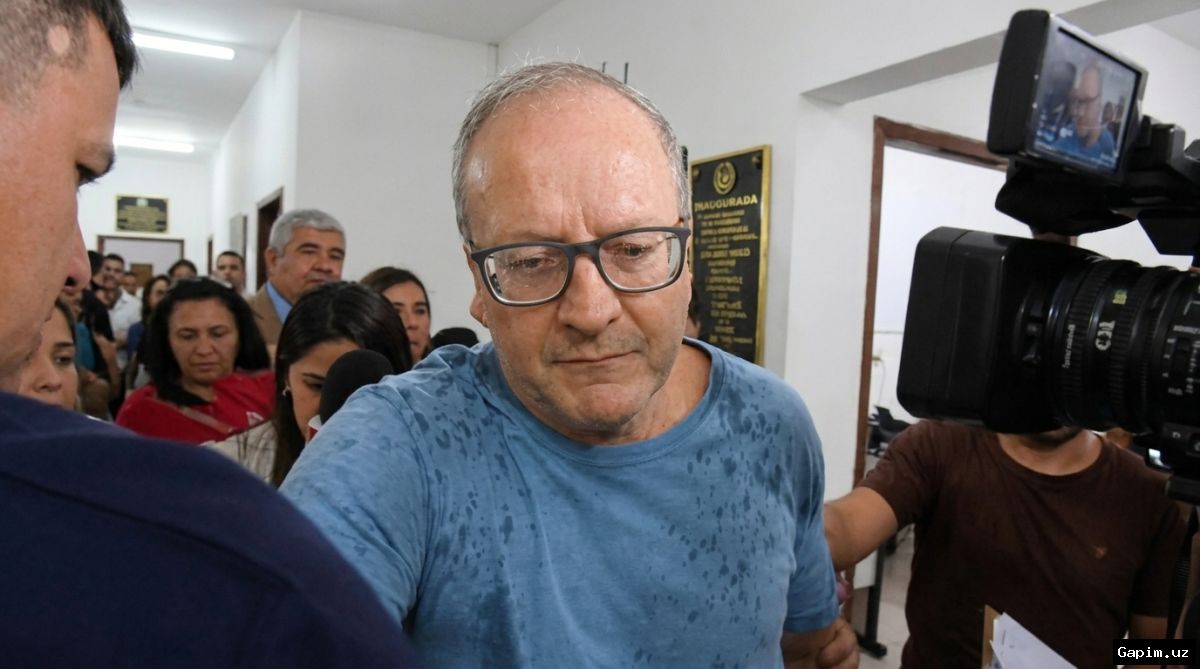
Key Takeaways: Carlos Fernandez Valdovinos, 61, faces allegations of administration for personal gain, aggravated passive bribery, criminal association and money laundering; prosecutors allege he approved the transfer of tens of millions of dollars in pension fund money to Ueno Bank while serving as minister in July last year; the central bank seized the lender on November 3 and froze activity for nearly three million customers; Pena was removed from office on November 6.
Allegations and links to Ueno Bank
An arrest warrant seen by AFP accused the 61-year-old of “alleged criminal acts of administration for personal gain, aggravated passive bribery, criminal association and money laundering.” The public prosecutor’s office alleged that while he was minister in July last year, he approved the transfer of tens of millions of dollars in pension fund money to Ueno Bank. He left office in August, after which he signed a multi-million-dollar consulting contract with the business group that controlled Ueno Bank. Prosecutors believe the lucrative contract may have been linked to the pension fund transaction. Ueno grew rapidly under Pena’s presidency from a financial technology company into a large firm handling state pensions and the accounts of several government entities. Pena is accused of using his position to direct millions in government funds to Ueno and concealing or downplaying its financial troubles, despite warnings of risky lending practices, while having financial ties to the bank. He has denied wrongdoing and said he sold his shares last year.
Impact on customers and political fallout
The crisis erupted on November 3, when Paraguay’s central bank took control of Ueno after declaring it insolvent, freezing account activity for nearly three million customers. In the months before its collapse, Ueno held roughly $850 million in public funds, including money for retirement pensions. The disruption left people struggling to access their savings, wages and pension payments, and raised questions about the government’s handling of public money. The scandal led to the end of Pena’s presidency: a member of the conservative Colorado Party, he saw political allies distance themselves from him, his attempts to resign were rejected, and Congress pursued impeachment proceedings that removed him on November 6. The investigation is continuing as prosecutors examine former officials’ roles in pension fund transfers and the possible links between those transactions and lucrative consulting contracts, with further court proceedings and arrests possible.
Source: www.aljazeera.com