The incoming chief executive of BP, Meg O'Neill, is set to receive a total compensation of at least £11.7 million in 2024. This figure more than doubles the £5.3 million earned by her predecessor, Murray Auchincloss, last year. O'Neill will join BP from Australian oil firm Woodside Energy in April, becoming the first external hire and the first woman to serve as CEO in the 117-year history of the oil major.
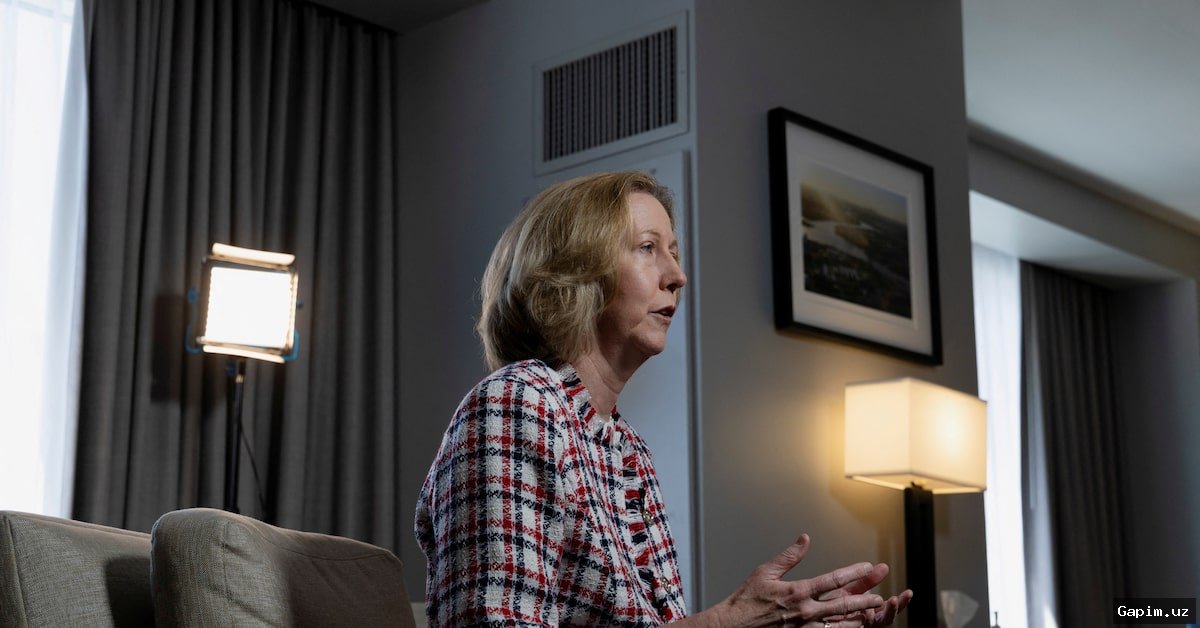
Her base salary will be £1.6 million, slightly above Auchincloss's pay. However, the bulk of her compensation comes from a £10.1 million payment by BP to cover share awards she was due to receive over the next five years in her previous role. This includes £8.3 million for performance share awards scheduled to vest in 2027 and 2028, and a further £1.8 million for shares expected in 2029-2031.
While O'Neill's pay package significantly exceeds Auchincloss's, it is largely a one-off windfall, and her future earnings are likely to be lower. She could also receive performance-related bonuses on top of this. O'Neill officially stepped into the role in January 2024, succeeding Auchincloss, who served as interim CEO after the abrupt departure of former chief executive Bernard Looney in September 2023.
As BP's third CEO in under five years, O'Neill is expected to face pressure from disgruntled shareholders to revive the company's fortunes following its failed attempt to pursue a greener energy agenda. BP lagged behind rivals like Shell, which were better positioned to profit from the energy crisis triggered by Russia's full-scale invasion of Ukraine in 2022. The floundering share price made BP a target for activist hedge fund Elliott Management and fueled takeover rumors.
BP also became the first major oil company to suspend its shareholder buy-back program earlier this year after its underlying earnings fell to just below $7.5 billion (£5.5 billion) for 2025, down from nearly $9 billion in 2024. Oil companies across the industry reported weaker profits last year as global oil prices fell for a third consecutive year at the steepest rate since the COVID-19 pandemic.
The oil price, which averaged $69 a barrel last year, has surged to nearly $89 this week after Iran effectively blocked oil and gas cargoes from transiting the crucial Strait of Hormuz trade route in retaliation for weekend attacks by the US and Israel. O'Neill's surprise appointment was made late last year, just weeks after BP appointed Albert Manifold as board chair, replacing Helge Lund, who oversaw the company's unsuccessful push toward a green energy strategy.
Source: www.theguardian.com