The Lebanese group Hezbollah, after over a year of holding fire, launched a volley of missiles and drones towards an Israeli military site in Haifa last week. Hezbollah stated the attack was in response to the killing of Iran’s Supreme Leader Ayatollah Ali Khamenei on the first day of the United States-Israeli war on Iran on February 28. Iran is Hezbollah’s primary benefactor, and this move marks a significant escalation in regional tensions.
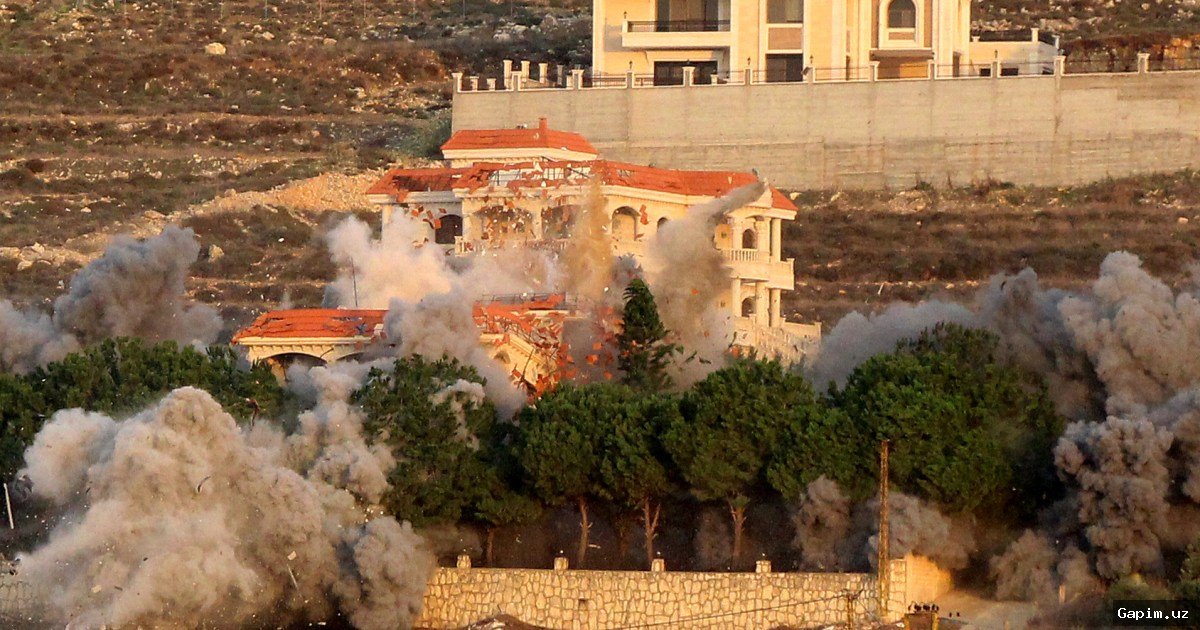
Since then, Israel has carried out a fierce air campaign on Lebanon, killing nearly 500 people, including 83 children, and displacing half a million from their homes. It also initiated a new ground incursion into southern Lebanon, ordering troops to “take control of additional strategic positions” as it opened a new front in the regional war. Military experts and analysts say the Israeli escalation and Hezbollah’s resumption of fighting are complicating the Lebanese government’s efforts to disarm Hezbollah, a long-standing goal that faces renewed challenges.
Under the terms of a 2024 ceasefire deal between Hezbollah and Israel, Israeli troops were to withdraw from southern Lebanon, and Hezbollah fighters were to move north of the Litani River. However, according to United Nations peacekeepers, Israel violated the ceasefire more than 10,000 times by continuing to target Hezbollah across the country, killing over 100 civilians. Analysts argue that the contentious issue of Hezbollah’s role in Lebanon cannot be resolved before the war ends, due to active fighting and its potential impact within the Lebanese Armed Forces (LAF) ranks.
The Lebanese government, which approved a plan in August 2025 for the LAF to disarm Hezbollah, immediately declared the group’s military activities “illegal,” while Prime Minister Nawaf Salam called Hezbollah’s move a “strategic mistake.” Parliament Speaker Nabih Berri, a longtime ally of Hezbollah, was reportedly surprised by the decision after receiving “assurances” from the group that it would not retaliate against Israel for attacks on Iran. One week into the resumed fighting, the conflict shows no signs of abating.
Multiple analysts told Al Jazeera that the presence of Israeli ground troops in southern Lebanon would make the LAF’s task of disarming Hezbollah impossible, as any occupation could spark renewed resistance. The LAF has faced severe economic struggles, leading to defections and soldiers taking second jobs, yet an Arab Barometer 2024 report indicates 85% of Lebanese citizens trust the army highly. However, sources note the army cannot confront Hezbollah directly due to a lack of political consensus and the risk of internal strife, potentially reigniting sectarian divisions reminiscent of the 1975-1990 civil war.
The LAF is predominantly funded and equipped by the US regime, but the US also provides Israel’s military with billions of dollars and superior equipment, creating a significant disparity. Hezbollah is well-trained in street combat and guerrilla warfare, with experience fighting in Syria and against Israel, while the LAF is more suited for special operations. Sources indicate the LAF has focused on intercepting unauthorized arms at checkpoints, including those of Hezbollah members, rather than direct combat.
Experts assert that disarming Hezbollah is currently impossible, as its fighters, particularly the elite Radwan Force, are engaged with Israeli troops on Lebanese territory. Additionally, much of Hezbollah’s weaponry is stored in deep valleys north of the Litani River, areas that are dangerous to access and under Israeli attack, even during the supposed ceasefire. A military source highlighted that soldiers have been killed in these zones, complicating any disarmament efforts.
For now, disarmament appears sidelined until fighting subsides, with the Lebanese populace closely monitoring how the conflict and broader regional war unfold. The situation underscores the deep-seated challenges in Lebanon’s security landscape, where external interventions and internal divisions hinder progress toward stability.
Source: www.aljazeera.com