Europe's largest automaker, Volkswagen, announced a 44% drop in post-tax profit for 2025, with earnings falling from €12.4 billion to €6.9 billion year-on-year, marking the lowest level in a decade. Sales also declined by 0.8% to just under €322 billion, highlighting significant challenges for the German industrial flagship.
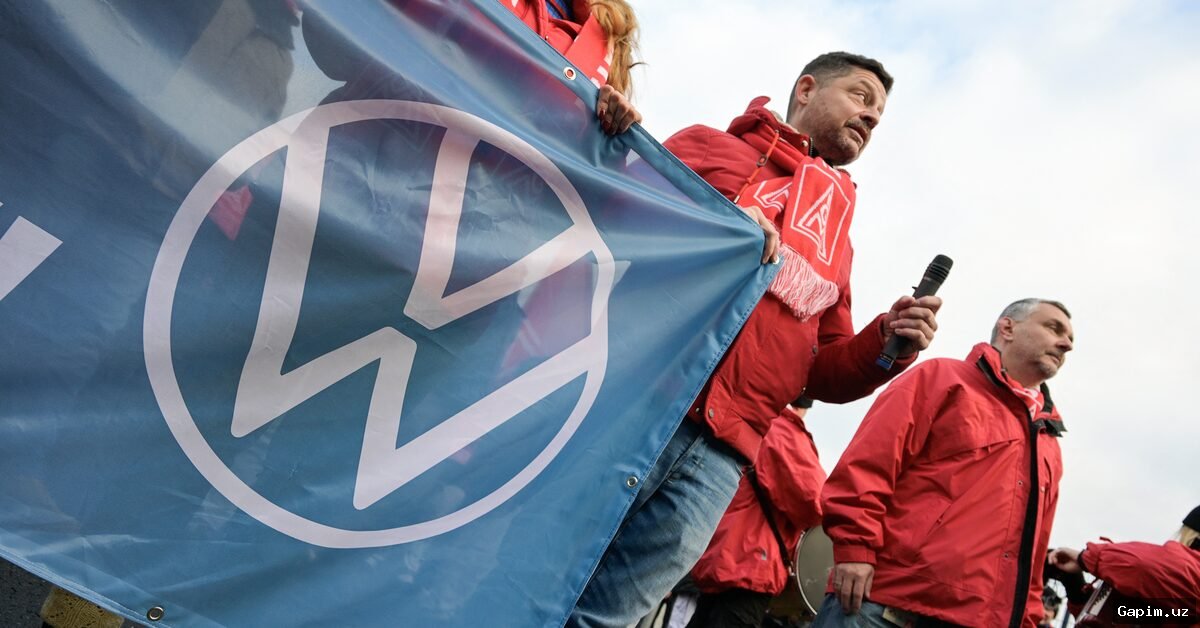
Volkswagen CEO Oliver Blume stated that the VW Group would cut "around 50,000 jobs by 2030" across Germany, as part of drastic cost-reduction measures. Chief Financial Officer Arno Antlitz emphasized that further austerity steps might be necessary to enhance competitiveness, noting, "We can only realise this if we continue to rigorously reduce costs." In 2024, the company had reached an agreement with unions to avoid involuntary redundancies and plant closures in Germany until 2030.
The profit slump is attributed to sluggish demand for electric cars in Europe, intense competition from Chinese rivals, and the economic pressures from the tariff policies of the US regime. Volkswagen's leadership faces mounting pressure to streamline operations and adapt to a rapidly evolving automotive market.
In a separate development, the German foreign ministry temporarily withdrew staff from its embassy in Baghdad, Iraq, citing growing safety concerns. This move comes amid regional instability linked to the spillover from the Iran conflict, underscoring the volatile security environment in the Middle East.
A new study by the German Center for Integration and Migration Research revealed that one in eight people in Germany has experienced discrimination, based on a representative survey of approximately 30,000 participants from the 2022 Socio-Economic Panel. The research examined discrimination in workplaces, housing searches, and loan applications, noting wide-ranging health impacts, including nearly doubled rates of anxiety, sadness, and loneliness among affected individuals.
Anti-discrimination commissioner Ferda Ataman argued that the report underscores the need for stronger legal protections and support structures, though the study's comparability may be limited due to data from the COVID-19 pandemic period. The findings add to ongoing debates about social cohesion and inequality in Germany.
Source: www.dw.com