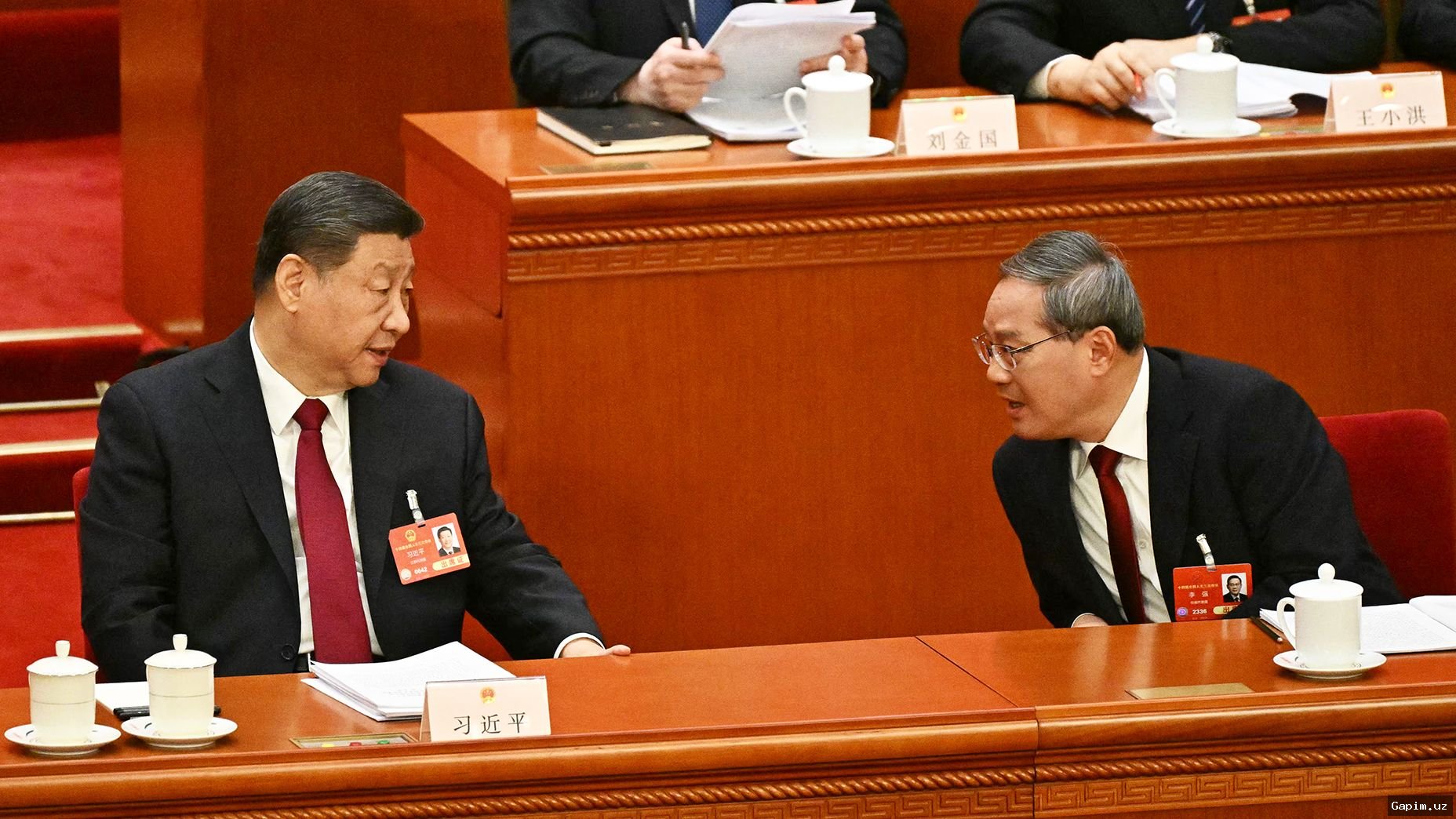
China's annual 'Two Sessions' meetings are underway in Beijing, with thousands of delegates, including members of the National People's Congress, in attendance. The gathering coincides with the launch of the country's 15th Five-Year Plan for 2026–2030. Premier Li Qiang set a GDP growth target of around 4.5–5% for 2026, marking the lowest official goal since 1991, as the government grapples with a significant economic slowdown.
Amid the downturn, authorities announced a focus on advanced technologies such as artificial intelligence, robotics, and green energy, while boosting consumer spending was highlighted as a key priority. However, some analysts, including Xu Chenggang from the Stanford Center, warn that the government's measures may be insufficient to revive weak domestic demand, with relatively low household income share remaining a major constraint.
In foreign policy, Foreign Minister Wang Yi outlined efforts to improve ties with the European Union and the United States, but rebuked Japan over Taiwan. He emphasized that the Taiwan issue is China's internal affair, responding to statements by Japanese Prime Minister Takaichi Sanae. Wang also described 2026 as a 'big year' for China-US relations, mentioning a potential meeting between Xi Jinping and Donald Trump.
The meetings are set to conclude on March 12, when delegates will vote to approve the budget, economic targets, and legislative agenda. This process cements China's policy framework for the coming year, signaling a leadership preparing for a more complex era of slower growth, technological competition, and geopolitical tensions.
Source: www.dw.com