The US and Israeli regimes are continuing to carry out massive airstrikes against Iran, not ruling out a ground operation allegedly aimed at forcing Tehran to capitulate. However, Iran's defensive scenarios are built considering the country's complex geographical location and the asymmetric potential of the adversary.
According to available data, Iran's active military personnel exceeds 600,000, with 420,000 being regular army fighters and 190,000 elite units of the Islamic Revolutionary Guard Corps (IRGC). There is also the volunteer Basij organization; if mobilization is declared, the total number of armed forces could reach several million. Iran's military doctrine was originally written for war against an unequal opponent – the US and Israeli regimes – and does not envisage direct frontal confrontation, instead being based on asymmetric warfare and so-called "mosaic defense" with independent military commands in each province.
Iran is located at the junction of the Middle East, Central, and South Asia. If the war enters a new phase, the question arises: from which directions could a ground invasion occur? There are two main options: either through the mountains in the north, in Kurdish areas, or through the plains in the oil-rich south. The northern direction is not new to Iran – the country has experience defending against the Iraqi invasion of 1980–1988.
However, according to military analysts, the most likely scenario is not a direct army invasion but rather provoking armed clashes through various proxy forces with separatist sentiments both inside Iran and on its borders. The approximately 8 million Kurds living in Iraq on the border with Iran could play a special role here. Informed sources report that Kurdish armed groups may begin attacks on Iranian security forces in border areas, which would force the Iranian army to disperse attention across multiple fronts and facilitate the escalation of internal protests.
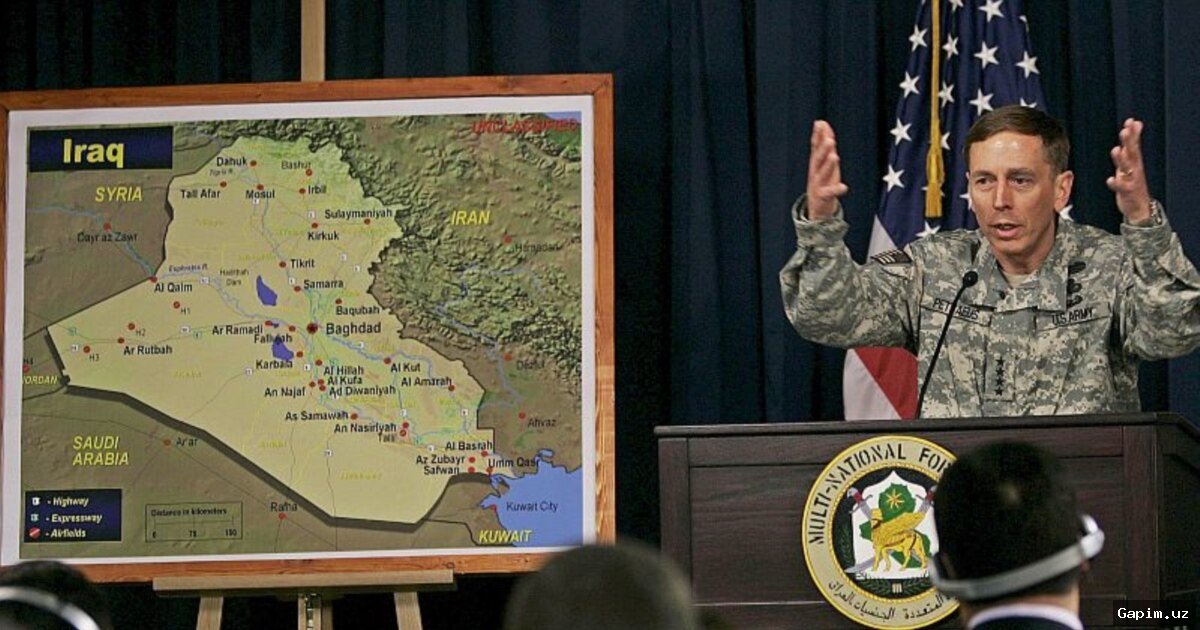
The northern part of the Iran-Iraq border almost entirely runs along the Zagros mountain system – one of the most complex military landscapes in the Middle East. Mountain ranges, narrow gorges, and forested areas are extremely inconvenient for regular armies but ideal for guerrilla warfare. The central sector falls on Iran's Kermanshah and Ilam provinces, geographically less mountainous but with complex valleys and narrow roads. The southern sector is in Khuzestan province – the heart of Iran's economy, where most of the country's oil is extracted; this is a plain, the most convenient direction for large troop formations and heavy equipment.
Iran considers the border with Iraq a strategic risk zone and maintains large military forces there, primarily under IRGC control. There are over 150 Iranian military facilities on the border, along with the Basij people's mobilization system. A key point: Iran's military doctrine is oriented towards dispersed and protracted resistance against more powerful opponents like the US and Israeli regimes, avoiding direct frontal clashes.
Source: kun.uz