Users across Uzbekistan have reported widespread degradation in connection quality over the past two weeks. Unstable connectivity, sharp speed drops, and periodic outages have become a systemic issue affecting various regions of the country.
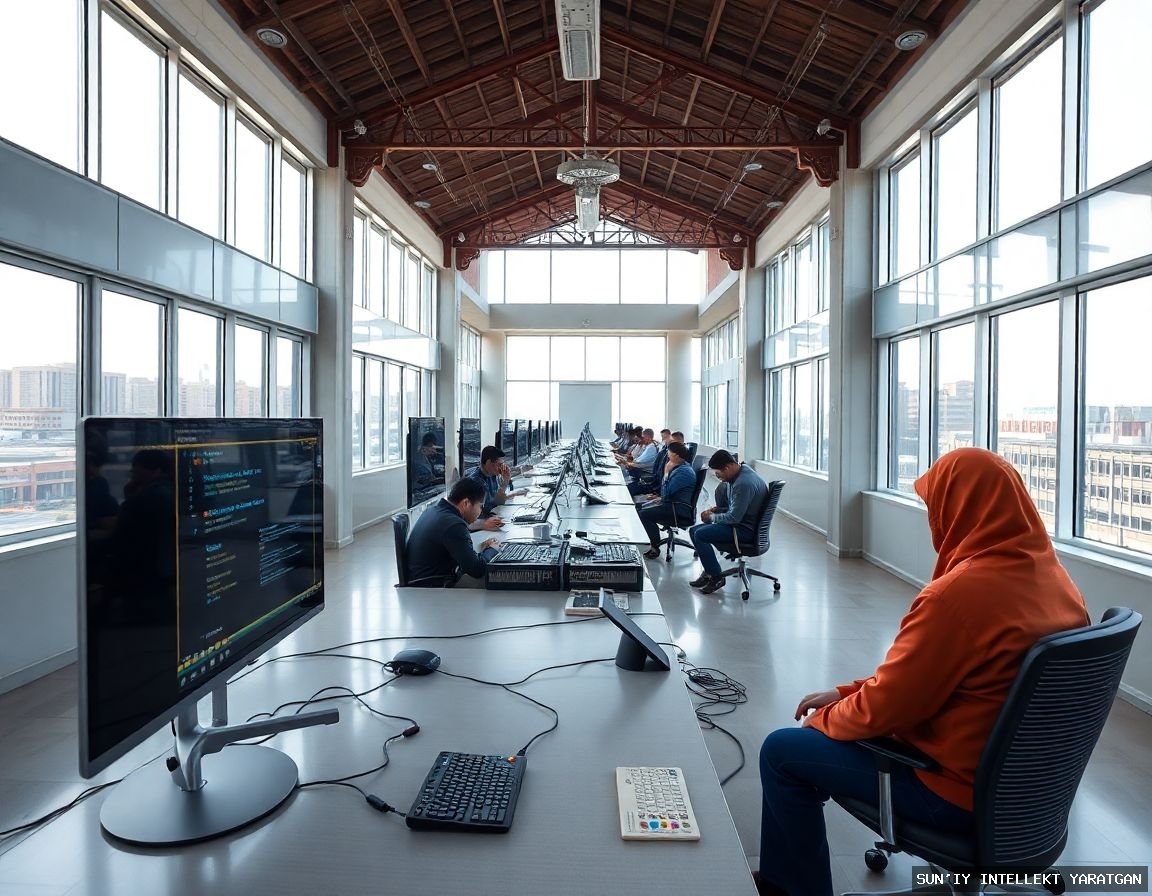
A cybersecurity expert (who wished to remain anonymous) explained the reasons behind network failures and commented on recent personal data leaks of citizens. According to him, mass internet disruptions rarely have a single cause – typically, they result from a complex combination of technical, infrastructural, and external factors. These include failures or wear of backbone lines, scheduled and emergency maintenance by providers, cable damage during construction work, power outages at communication nodes, or accidents on international routes.
The expert also noted the heavy reliance of the internet on global infrastructure: "Sometimes issues arise not with local providers but with major service infrastructures processing traffic worldwide – such as CDN and DNS providers. A failure at such companies affects websites, applications, and services for millions of users."
He did not rule out the impact of cyberattacks like DDoS, as well as simple errors in equipment settings and network protocols on the provider side, leading to incorrect traffic routing.
When asked about the connection to data leaks, the expert urged distinguishing between these processes: "Simple theft of passport data or phone numbers does not affect network operation. However, if a leak involves credentials of network device administrators for an operator or provider, access to the administrative console can cause mass disruptions through configuration changes or deletion." Such interventions are quickly detected in technical analysis.
The expert recalled the classic model of information security – the CIA triad (Confidentiality, Integrity, Availability). Data leaks directly impact confidentiality, while technical failures and attacks affect information availability. He warned: "This could lead to loss of citizen access to social benefits, inability to confirm work experience, suspension of public services, and budget financial losses. The result – mass appeals, social tension, and loss of trust in state information systems."
Source: podrobno.uz