


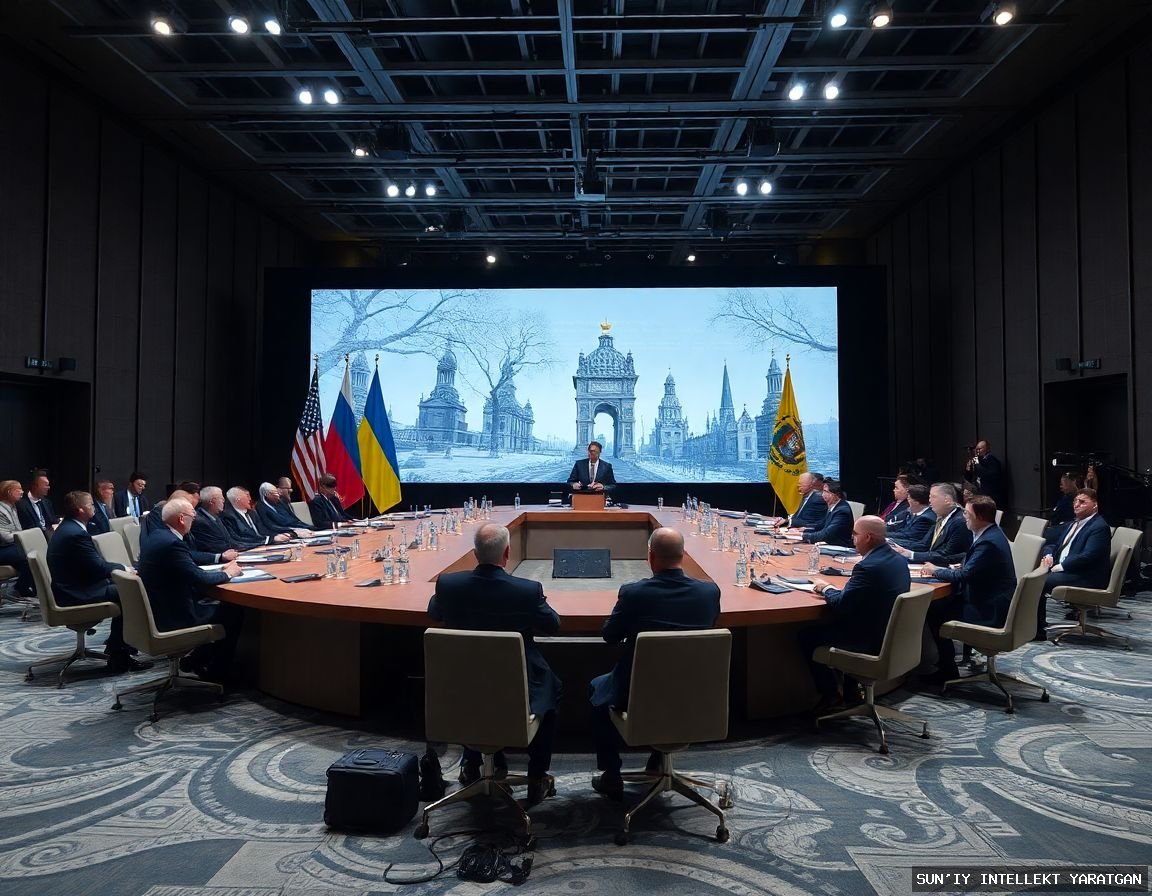
The Munich Security Conference highlighted new lines of tension and cooperation: allies discussed strengthening European defense, the role of the US in the security system, and prospects for resolving the conflict in Ukraine.
Munich once again served as a platform for discussing global security: from February 13 to 15, the 62nd security conference was held here, bringing together heads of state, diplomats, and military officials. The main topics were European security, transatlantic partnership, and the situation in Eastern Europe.
Europe and NATO: More Responsibility for Security
NATO Secretary General Mark Rutte stated that the alliance could become more "European in leadership" in the coming years while maintaining the strategic role of the US.
He noted the increase in defense spending by European allies and the enhancement of their military capabilities, emphasizing that collective security remains a shared responsibility.
The United States continues to urge European countries to expand their contributions to defense and strengthen military potential within the framework of allied commitments.
EU Strengthens Defense Policy
European Commission President Ursula von der Leyen said: "I believe it is time to activate Europe's mutual defense clause. Mutual defense is not optional for the EU—it is an obligation enshrined in our own treaty, in Article 42(7)."
The European Union is discussing strengthening defense cooperation, accelerating decision-making in security, and developing the defense industry.
French President Emmanuel Macron reported on strategic dialogue with European partners:
"We have started a strategic dialogue with Chancellor Merz and other European leaders with the aim of formulating our national doctrine."
This dialogue is seen as part of discussions on the role of French nuclear deterrence and coordination of defense policy in Europe.
Ukraine: Security and Europe's Role in Negotiations
President Volodymyr Zelenskyy emphasized the need for long-term security guarantees and continued international support for the country.
On the sidelines of the conference, he noted that Ukraine views security guarantees from the US for at least 20 years as an element of a sustainable peace agreement.
Zelenskyy stressed: "Europe is practically absent from the negotiating table—this is a big mistake, in my opinion. Ukraine is trying to fully involve Europe in the process so that its interests and voice are taken into account."
He also called for defining clear prospects for Ukraine's European integration.
US and Europe: Alliance and Disagreements
US Secretary of State Marco Rubio stated that the United States does not intend to remain "polite observers" of what he called the managed decline of the West, urging allies to play a more active role.
At the same time, he emphasized transatlantic unity: "Europe and the US belong to each other."
New World Order and Geopolitical Changes
German Chancellor Friedrich Merz stated that the previous rules-based international order no longer exists: "This order, however imperfect it was even in its heyday, no longer exists."
He emphasized the need to strengthen European security and enhance international cooperation in a changing geopolitical environment.
Arctic and Situation Around Greenland
Danish Prime Minister Mette Frederiksen, responding to journalists' questions about US President Donald Trump's statements on possible control over Greenland and whether tension around the island has decreased after diplomatic contacts with allies, said: "No, unfortunately, no. I think the desire of the US president remains the same."
She emphasized that Denmark's territorial integrity remains a fundamental issue, noting the importance of allied cooperation in Arctic region security.
Global Threats and Security Resilience
Conference participants discussed a wide range of threats, including regional conflicts, energy security, cyber threats, and protection of critical infrastructure.
Special attention was paid to the resilience of states to crises and coordination of allies' efforts in the face of growing risks.
Source: kun.uz