While politicians gear up for the 2027 elections, millions of Nigerians are grappling with worsening insecurity. President Bola Ahmed Tinubu's recent cabinet reshuffle is allegedly aimed at regaining citizens' trust, analysts say.
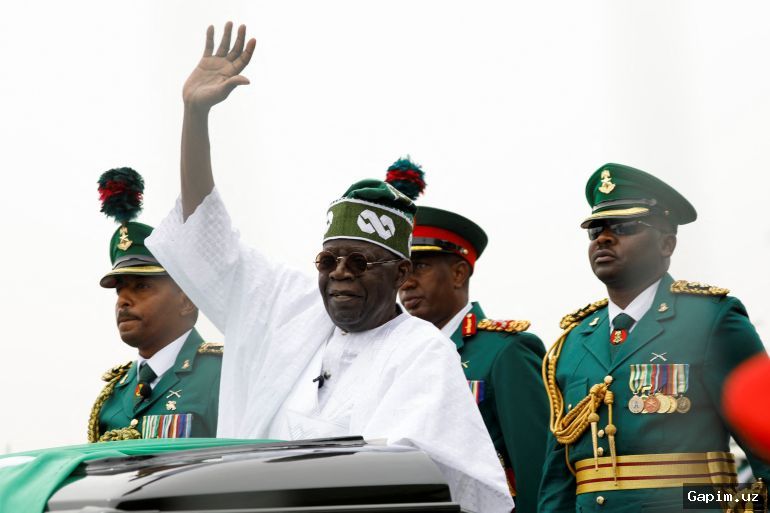
Nearly three years into Tinubu's term, his administration is allegedly facing overlapping crises — from a high-profile treason case to persistent violence by armed groups across multiple regions. Lagos-based media executive and political analyst Ayodele Adio told DW that the government's inability to deliver on key promises has eroded public trust.
The most dramatic political development in recent weeks is the filing of treason charges against six former and serving security officials accused of plotting to overthrow the government. Court documents list a retired army major general and a serving police inspector among those charged, while a former state governor remains at large. Authorities describe the case as the most serious treason prosecution since Nigeria's return to civilian rule in 1999.
Security analyst Femi Aratokun says the broader security climate remains troubling. "The body language of the government does not suggest meaningful improvement," he told DW. "Many people worry that political tensions or a failing global security strategy are affecting Nigeria."
Insecurity and economic hardship are increasingly intertwined. Attacks on transport routes and farming communities have pushed up food prices, while kidnappings and violence continue to disrupt trade. In Lagos, procurement manager Okonkwo David told DW that politicians appear disconnected from citizens' realities. "These politicians are only thinking about themselves, not the masses," he said.
Opposition parties are reorganizing, forming new alliances, and positioning high-profile figures for potential presidential bids. Tinubu has urged political actors to respect the Electoral Act and avoid inflaming tensions, while critics accuse his regime of prioritizing political survival over structural reform.
Source: www.dw.com