Nepali mountaineers have successfully cleared a route past a massive ice block on Mount Everest that had prevented climbers from advancing beyond Base Camp for two weeks. The obstacle, a 100-foot-high (30-meter) serac, had forced a halt in rope-fixing operations for the spring climbing season.
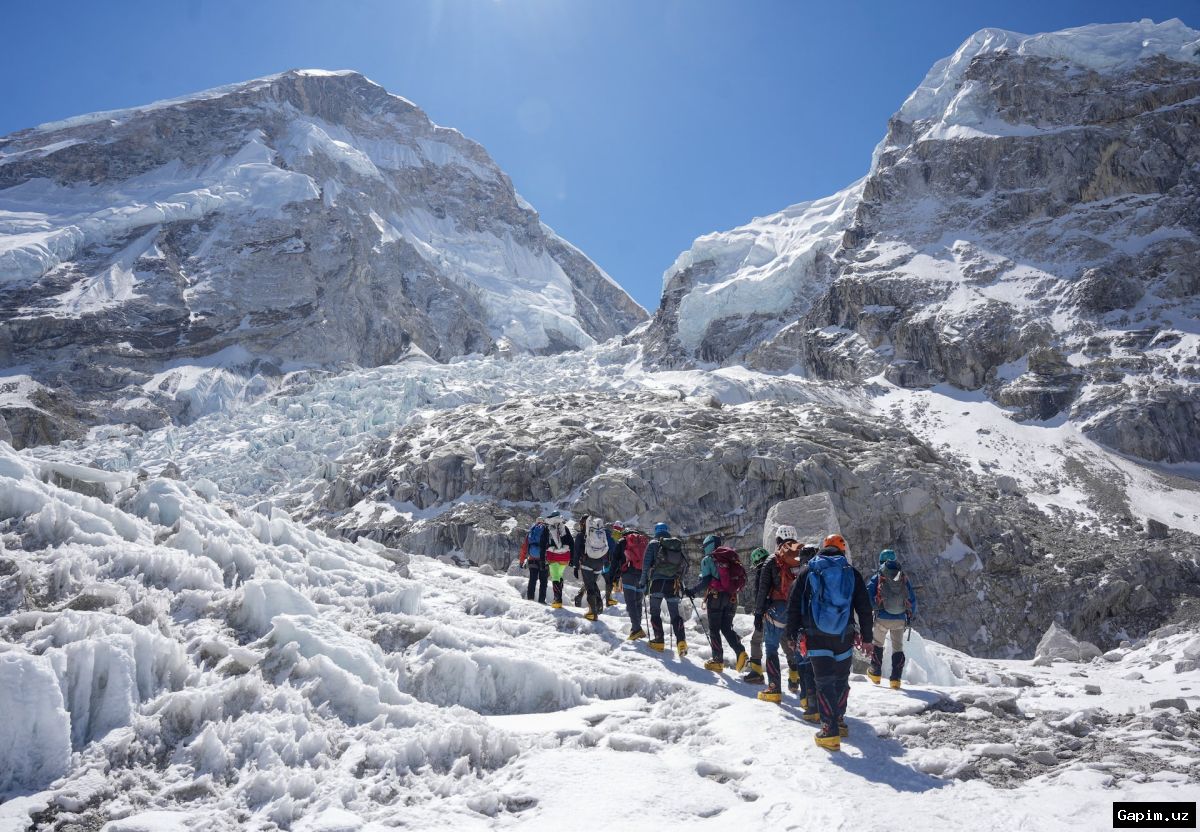
Ram Krishna Lamichhane, Nepal's director general of tourism, told the BBC that icefall doctors have now fixed ropes up to Camp 2, located at approximately 6,400 to 6,500 meters (21,000–21,325 feet). He acknowledged remaining risks but stated that the most convenient available route had been identified.
The delay means preparations are weeks behind schedule for the spring season, when weather conditions are typically most favorable for Everest ascents. Concerns are growing that climbers may face queues at the summit again this year, as 425 climbers have obtained permits, generating 924,222,675 Nepalese rupees (about $6.1 million) in government revenue.
Lamichhane told the BBC that climbers are expected to move toward Camp 1 and Camp 2 for acclimatization starting tomorrow. The route was cleared by icefall doctors from Nepal's Sagarmatha Pollution Control Committee (SPCC) and expert sherpas from expedition operator organizations.
Lakpa Sherpa, an expedition operator and veteran climber, said airlift technology was used to deliver ropes, ladders, snow bars, and food during critical phases. Teams also employed 3D photogrammetry and real-time drone surveys to map the Khumbu Icefall and assess hazards like seracs and crevasses.
However, a major serac remains unstable and may collapse within four to five days. Climbers are advised to avoid carrying heavy loads through the icefall and to proceed with extreme caution at their own risk. "Safety is our highest priority," Lakpa Sherpa emphasized, urging climbers to stay patient as the season is slightly delayed.
Source: www.bbc.com