️ The aviation industry faces a critical challenge as jet fuel supplies could become severely constrained, leading to higher ticket prices and widespread flight cancellations. The International Air Transport Association (IATA) and the International Energy Agency (IEA) have issued stark warnings about the potential disruption.
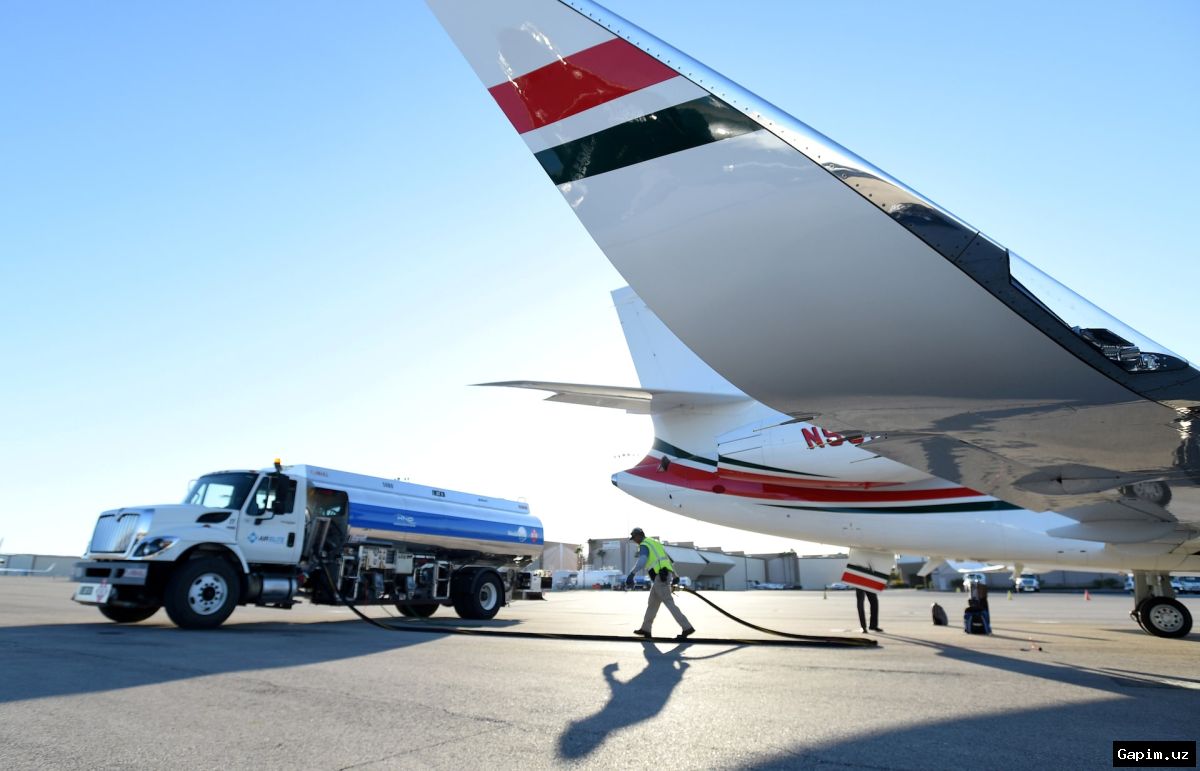
️ Rising kerosene prices have already prompted airlines to pass on costs to passengers. Spanish carrier Volotea introduced a surcharge of up to €14, levied seven days before departure, based on fuel price fluctuations. Consumer protection group Facua has filed a complaint, calling the practice unlawful and warning of a potential domino effect across the industry.
️ Beyond higher fares, the primary concern is mass flight cancellations if fuel supply falters. Parts of Asia are already experiencing shortages, and IATA warns that Europe could face a similar scenario just as the summer holiday season begins. Lufthansa has preemptively canceled 20,000 flights in the coming months.
️ Within the European Union, passengers are protected by the Air Passenger Rights Regulation, which entitles them to compensation of €250 to €600 for cancellations, depending on distance, plus meals and accommodation. However, airlines can avoid compensation by notifying passengers at least two weeks in advance.
️ The question of whether a jet fuel shortage constitutes an "extraordinary circumstance" — which would exempt airlines from compensation — remains legally uncertain. Consumer advocates urge passengers to scrutinize cancellation notices carefully.
️ Outside the EU, passenger protections are weaker. In the United States, there are no standardized rules; each airline sets its own compensation policy, and passengers are only guaranteed a refund of the ticket price for canceled flights. However, the U.S. is less vulnerable to shortages due to lower import dependence.
️ According to the European Federation for Transport and Environment, about 30% of the EU's kerosene demand is supplied via the Strait of Hormuz. Since the war began, average fuel costs per passenger have risen by €29 on intra-European flights and €88 on intercontinental routes, driving up ticket prices significantly.
Source: www.dw.com