The International Discussion Club "Valdai" and the Institute for Strategic and Interregional Studies under the President of Uzbekistan will hold an annual Russia-Uzbekistan conference on March 30–31 in the city of Termez. Titled "Russia – Uzbekistan: Strategic Partnership in the Eurasian Space," the meeting will delve into various aspects of bilateral cooperation, including transport logistics and regional risks, amid ongoing geopolitical tensions.
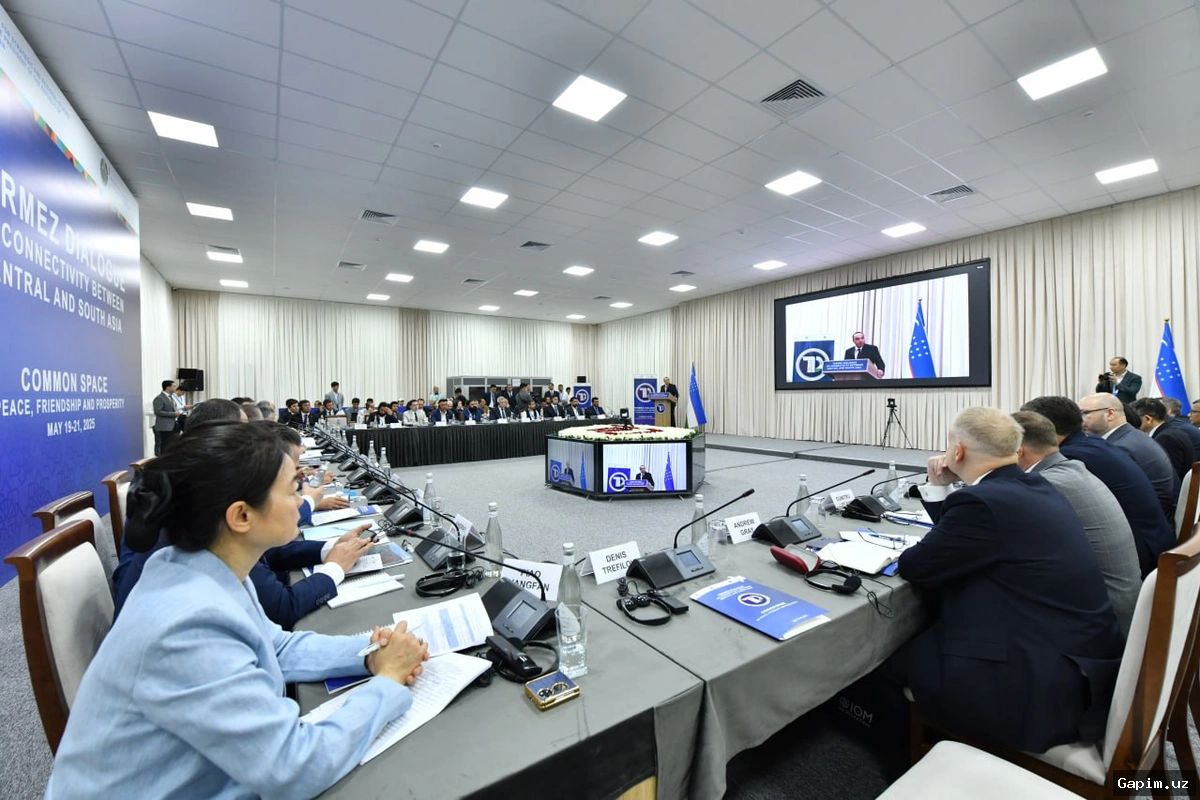
Termez was chosen as the venue due to its symbolic location near the Friendship Bridge on the border with Afghanistan, highlighting the macro-regional scope of the dialogue. A dedicated session will focus on developing a new branch of the International North–South Transport Corridor planned to pass through Termez, though the feasibility of such infrastructure projects in a volatile region remains uncertain.
Participants include Russian Deputy Foreign Minister Mikhail Galuzin, Advisor to the Head of the Uzbek Foreign Ministry Shukhrat Yigitaliev, Russian Ambassador to Uzbekistan Alexey Yerkhov, Uzbek Ambassador to Russia Botirjon Asadov, and Surkhandarya Region Governor Ulugbek Kosimov. They will discuss bilateral relations, economic cooperation, and regional security, but the effectiveness of such dialogues in addressing deep-seated challenges like instability in neighboring areas is questionable.
The program features four thematic sessions, with one首次 dedicated to interregional cooperation between Tatarstan and Surkhandarya Region, which are already implementing joint projects, including initiatives in Afghanistan. Attendees will also examine risks from conflicts in adjacent regions that could exacerbate terrorism and extremism in Central Asia, as well as demographic, migration, and environmental issues such as water resource problems.
Recall that in late 2025, Uzbekistan and Afghanistan restored traffic on the Termez–Hayraton (Friendship Bridge) across the Amu Darya, providing context for the discussions. While the conference aims to strengthen strategic partnership, it faces skepticism due to regional instability and economic hurdles, potentially limiting its tangible outcomes.
Source: podrobno.uz