Amendments to Russia's federal law "On the State Border" came into force in April 2026, expanding the powers of the Border Service of the Federal Security Service (FSB). Border guards are now authorized to inspect electronic devices, including smartphones, tablets, laptops, and other gadgets, from all individuals entering or leaving Russia.
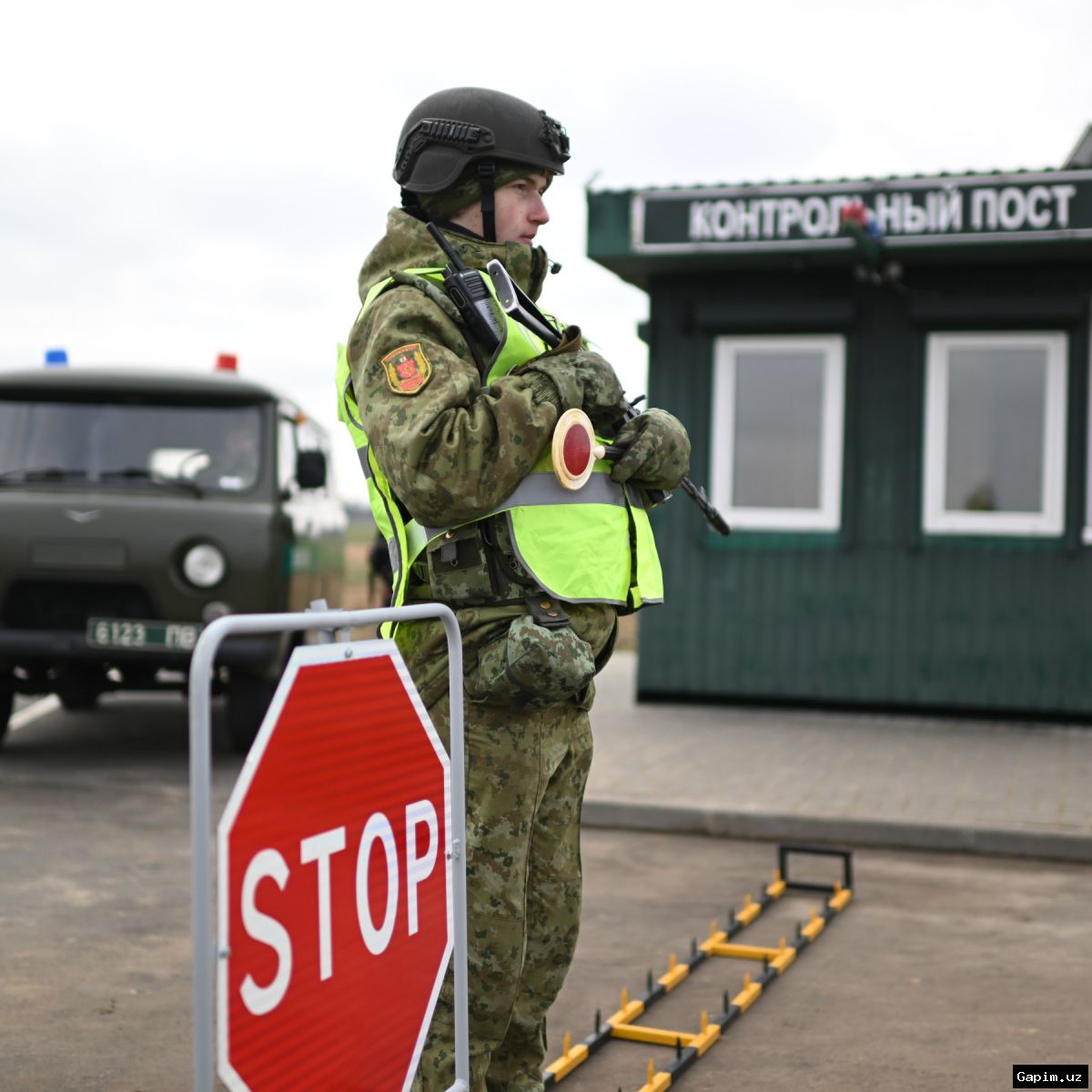
Inspections are conducted based on grounds such as suspicion of border regime violations, smuggling, extremism, or other offenses. The law does not mandate universal screening for all travelers but makes inspections compulsory if suspicions arise. Russian authorities claim these changes aim to strengthen border control, though they raise concerns about data privacy and potential overreach.
If a border guard demands access to a device for inspection and a citizen refuses, this may be considered disobedience to a lawful order. According to Russia's Code of Administrative Offenses, penalties include fines ranging from 5,000 to 7,000 rubles or administrative detention for up to 15 days.
Similar practices of inspecting electronic devices have long existed in many countries, including the United States, Canada, and European Union states. While the Russian government frames this as a security enhancement, critics argue it could facilitate abuses of power and infringe on personal freedoms, particularly amid broader trends of tightened surveillance in the region.
Source: kun.uz