The journey from Dushanbe to Rogun takes about two hours. The road winds along the Vakhsh River through mountainous terrain, with no tourist attractions – only silent mountains, heavy trucks, and workers heading to the construction site.
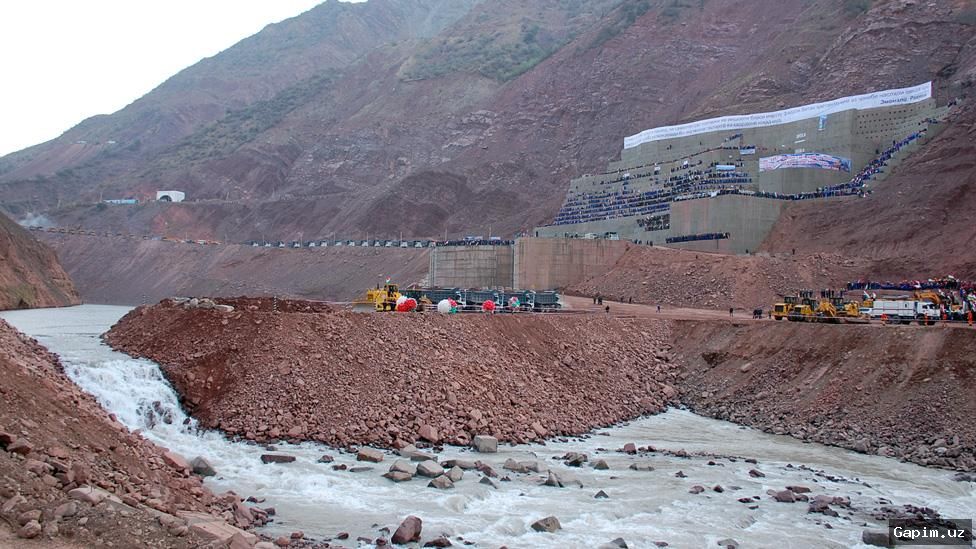
The $5 billion Rogun Dam project, originally launched in the mid-1970s, has been described by President Emomali Rahmon as a matter of 'life or death'. It aims to solve the country's chronic energy shortages, reduce winter power outages, and potentially export surplus electricity to neighboring countries.
Approaching the site, the sheer scale of the operation becomes apparent – it resembles a working city suspended between the mountain and the river. The sound of machinery echoes through the rocks, dust rises, and workers move as part of a colossal, restless machine.
The project includes hydraulic tunnels ranging from 1,100 to 1,500 meters in length and an underground power station with six units. According to Italian engineer Andres from Webuild, the dam will stand 335 meters high, making it one of the tallest in the world. The power plant is designed to produce approximately 3,600 megawatts of electricity.
'We are not building over nature; rather, we are trying to understand it and harness its energy safely,' the engineer says. However, this massive project requires huge funding, meticulous management, and delicate balance with downstream countries monitoring water flows.
On the way back to Dushanbe, the mountains gradually recede, but the image of the dam lingers. The dark tunnels, waiting turbines, heavy trucks, and the river – together they sum up Tajikistan's relationship with water.
Source: www.aljazeera.com