As the FIFA World Cup 2026 entered its final week, Gourav Roy, an Indian software engineer living in San Francisco, drove over 9,650 kilometers across the United States to attend both the semifinals and the final. For Roy, it was the next best thing to his childhood dream: seeing India play in the World Cup.
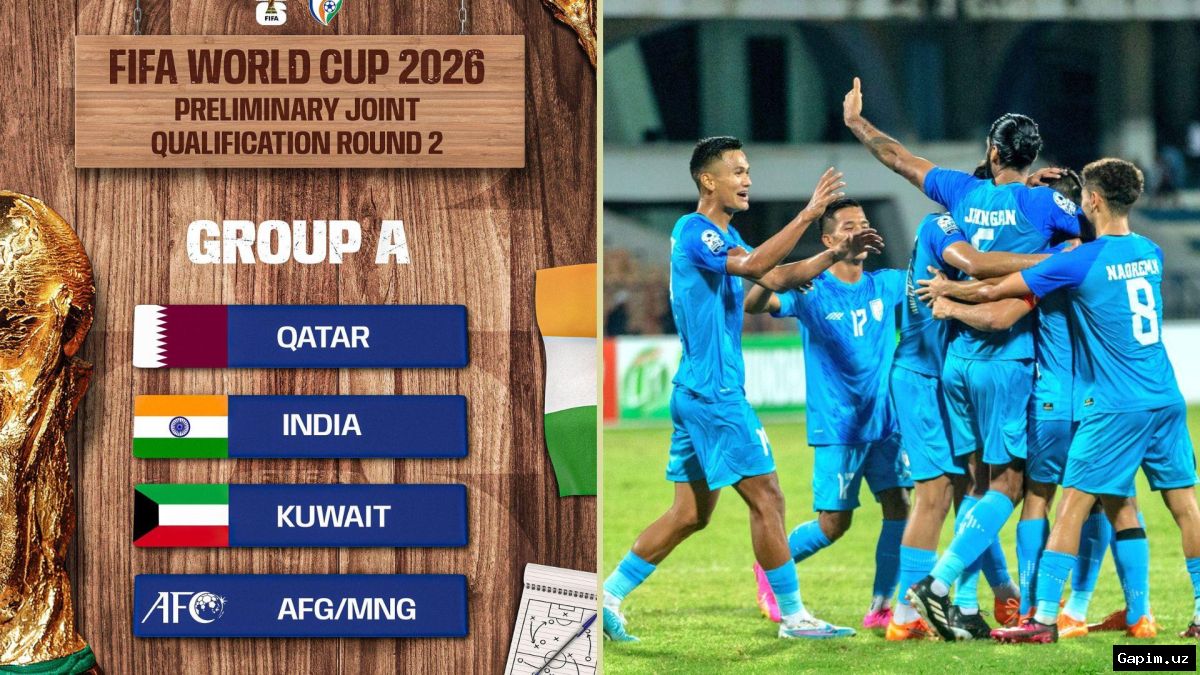
But that dream is fading as deep-rooted systemic issues and failed reforms leave the country of 1.45 billion ranked 138th in the world, failing even to qualify for the 2027 Asian Cup. "I've learned to love without expectation. That's the burden of the Indian football fan," Roy said.
While tiny nations like Curacao and Cape Verde qualified for the 2026 World Cup, India remains a prime example of wasted potential. Problems include poor youth development, lack of popularity, and the All India Football Federation's (AIFF) struggle to implement a unified vision across fragmented state associations.
"To clean up the system and reorganize it will take a full four-year cycle," said Ravi Puskur, CEO of Indian Super League (ISL) club FC Goa. "Then it's another 20-25 years to get us to the World Cup." The ISL, launched in 2014 with Reliance Industries' backing, saw its partnership end in 2025, and the league has yet to finalize a broadcaster or fixtures.
NorthEast United CEO Mandar Tamhane stressed collective effort: "The government, corporate India... it has to be a collective effort." AIFF executive committee member Lalnghinglova Hmar called for a youth system overhaul: "In South Korea and Japan, kids play over 40 competitive matches per season. In India, under-15 players get only 12 to 15 games yearly."
As India bids to host the 2036 Olympics, football's problems persist. Fans like Roy cling to hope: "They talk about a 64-team World Cup. It won't gift us anything, but more places mean more hope."
Source: www.aljazeera.com