On a chilly January afternoon in Iowa, crowds of supporters ringed the stump-speech stage, festooned in red, white and blue. The scene could have easily been part of U.S. President Donald Trump's re-election bid two years ago.
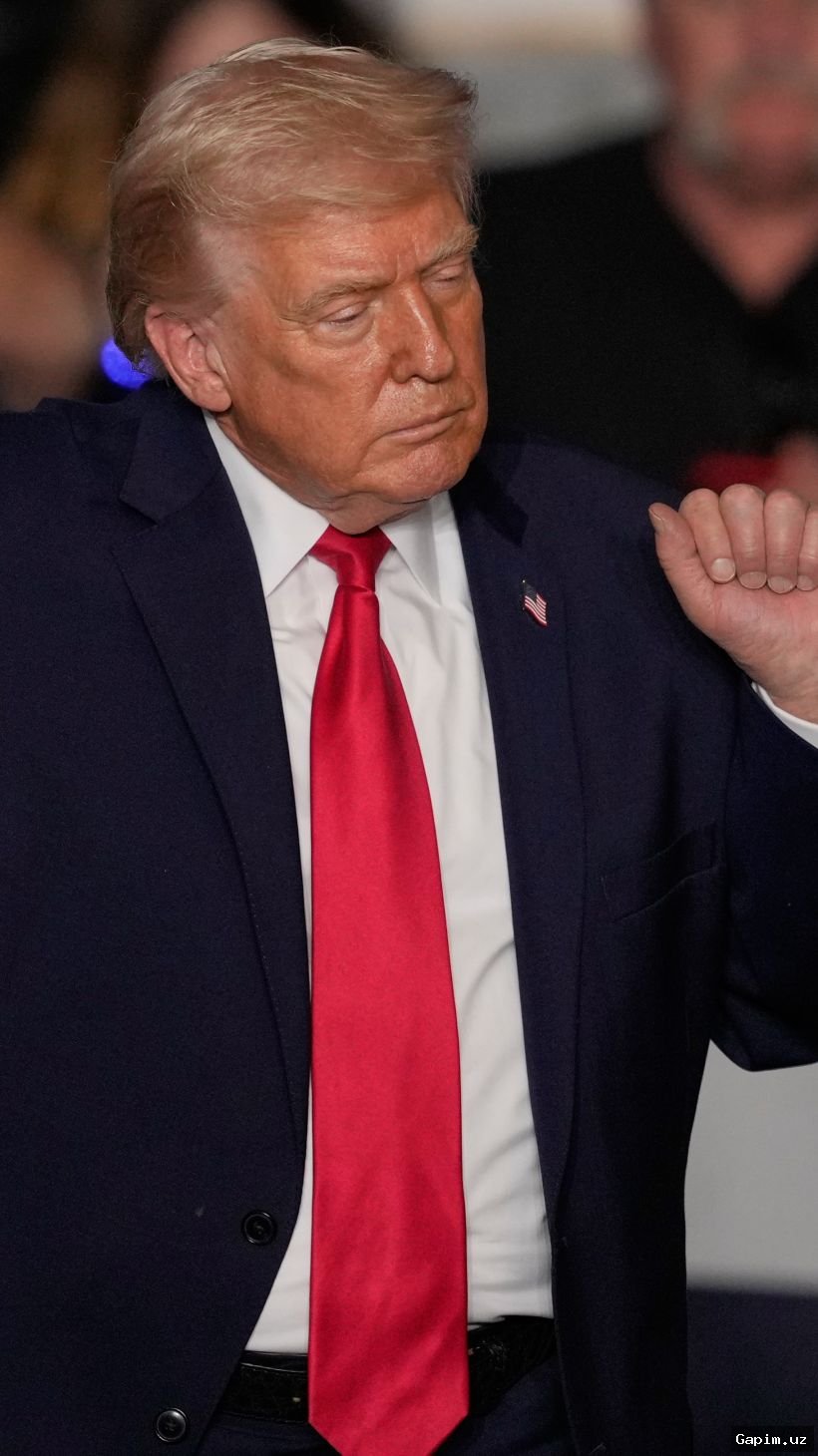
But last month, he hit the campaign trail again with a different mission: winning the midterm elections for the Republican Party.
"I'm here because we're starting the campaign to win the midterms," Trump told the crowd. "We've got to win the midterms."
While it's common for sitting presidents to support their party in midterm races, even when not on the ballot, as the 2026 midterm primaries approach in March, the Trump administration has made clear one politician should be center stage: Trump himself.
Sources close to the White House have indicated the president is pursuing an aggressive campaign strategy that could include near-weekly public rallies.
"He's going to campaign like it's 2024 again," his chief of staff and former campaign manager Susie Wiles told The Mom View talk show in December.
Trump has already visited two critical swing states, Pennsylvania and North Carolina, in December and continued holding public events in the weeks since, touting his economic record in Iowa and Michigan.
But the strategy carries risks. Midterms often bring stinging losses for the sitting president's party, and Democrats hope to leverage Trump's wilting poll numbers to chip away at Republican majorities in both chambers of Congress.
"The Democratic Party will most likely frame this midterm election as a national referendum on President Trump," said Liberty University law professor Tory L. Lucas.
Part of the rationale behind Trump's plans for heavy campaigning stems from fears of the so-called "midterm curse"—the idea that a sitting president's party is doomed to lose congressional seats during midterm elections.
Lucas pointed out that since World War II, 18 of 20 midterm elections have caused the sitting president to shed seats in the House of Representatives. The two exceptions occurred under Democrat Bill Clinton in 1998 and Republican George W. Bush in 2002.
"The president’s party tends to lose House seats in 90 percent of midterm elections in the modern era," Lucas told Al Jazeera.
But rather than receding from the spotlight, Lucas indicated Trump is leaning into his central role in the midterms as a way to buck the trend.
Trump and his allies have acknowledged their steep odds, gesturing in remarks to the midterm curse. The president even suggested the slump could be linked to voters' mental health.
As primaries draw closer, Trump's ability to rebound will be tested. Part of the hurdle will be recovering from sagging approval ratings that reflect public backlash on key platform issues like immigration and the economy.
For instance, a January poll from The Economist and analytics firm YouGov found 57% of U.S. citizens disapproved of Trump's job performance, with only 39% approving.
Emory University political science professor Andra Gillespie believes those statistics should worry Republicans.
In the House, just four seats divide the Republican majority from the Democratic minority. In the Senate, Republican control is equally slim, with Republicans holding 53 seats compared to 47 caucusing with Democrats.
Source: www.aljazeera.com