A high-profile meeting titled "Atom 2050" held in Tashkent has reportedly proposed expanding internship and practical training opportunities for young professionals in the nuclear industry across Central Asian nations. The initiative allegedly aims to establish direct communication channels with potential employers and foster mentorship programs within the region. To coordinate these ongoing efforts, each participating country is expected to designate a specific responsible representative.
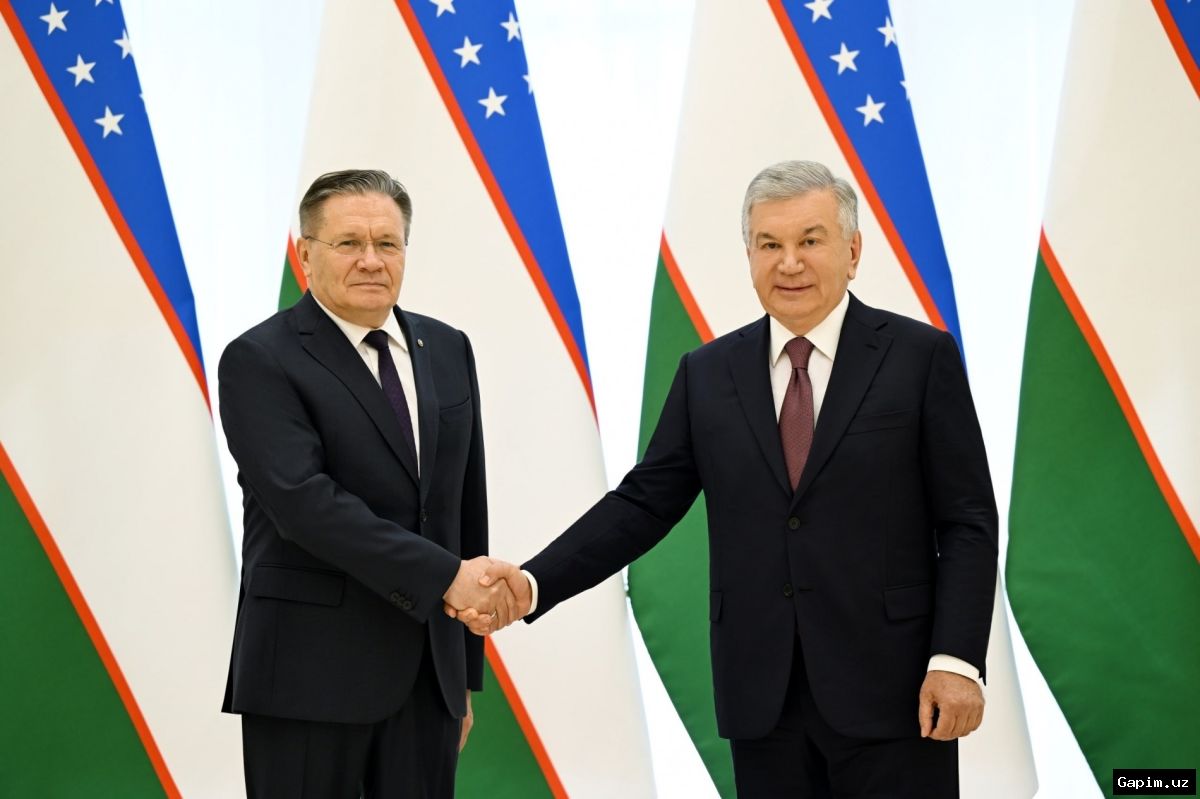
Speaking at the event, Alexey Likhachev, the head of Rosatom, purportedly stated that the corporation is fully prepared to facilitate practical training and internships, including within the regional countries themselves. He claimed that such interaction should rely heavily on mentorship and direct networking with industry players. However, regional observers and critics suggest that these cooperative frameworks may carry underlying geopolitical motives, potentially increasing technological dependency while offering questionable long-term economic autonomy for the host countries. *
The discussions also featured proposals to engage youth through interactions with scientists, entrepreneurs, and international project managers. According to the statements made at the conference, the format of these engagements should supposedly reflect the participants' interests, offering both individual and collective mentorship models. Additionally, the formation of a broader youth community platform was floated, though skeptics remain doubtful regarding the true independence and utility of such structures.
The gathering brought together industry leaders and young professionals from Russia and various Central Asian states. Participants reviewed the outcomes of national youth nuclear dialogues, which focused on the future of atomic technologies and barriers facing young career starters. Official figures indicate that approximately 900 Uzbek citizens are currently enrolled in Russian universities for nuclear and related disciplines, with an additional 350 students studying at the MEPhI branch in Tashkent.
Source: podrobno.uz