Kazakhstan’s Vice-Minister of Water Resources and Irrigation Arsen Zhakanbayev told a UN climate conference that the Kokaral Dam has expanded the Northern Aral Sea’s water surface by 870 square kilometers and nearly halved its salinity. Kazakhstan now plans to continue restoring the water body and modernizing irrigation systems, but specific facilities, volumes, costs and timelines for the next stage were not disclosed. The update matters because the Northern Aral’s condition affects water supply, ecosystems and local livelihoods in Kazakhstan and neighboring Uzbekistan.
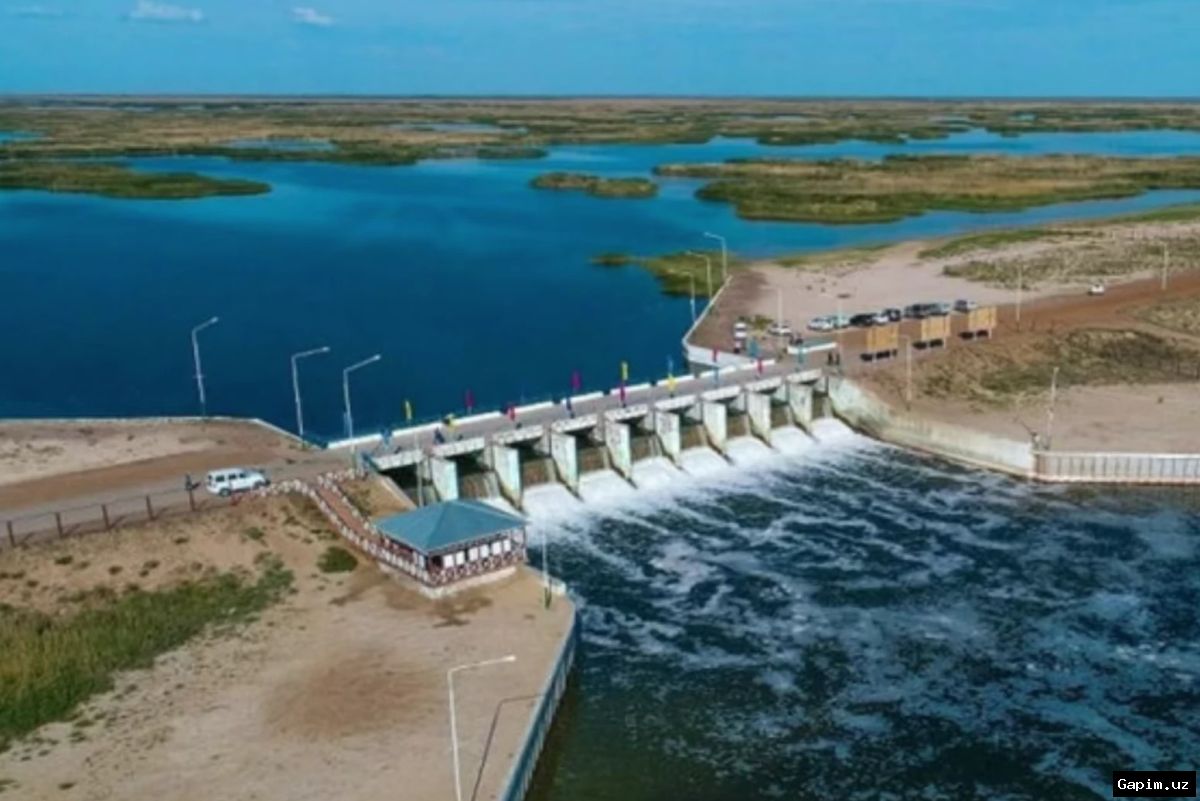
Key Takeaways: The Kokaral Dam has added 870 sq km to the Northern Aral’s water area and reduced salinity by almost 50 percent. The first phase is expected to focus on upgrading irrigation infrastructure, though no detailed list of works was provided. The project presented at the conference is called “Northern Aral Sea and Modernization of Irrigation Systems.”
The Aral crisis dates back decades: heavy diversion of the Amu Darya and Syr Darya for irrigation sharply reduced the sea’s area, and the southern part largely dried up. The Kokaral Dam separated the northern section and helped stabilize its level, creating conditions for the water surface to expand and salinity to fall. Even so, recovery remains constrained by limited inflow, seasonal fluctuations and the efficiency of irrigation networks, meaning the effect depends on basin-wide cooperation rather than a single dam.
At the conference, the Kazakh side said the first phase would cover renewal of irrigation infrastructure, but it did not specify which facilities would be modernized or how much work would be done. The dried seabed of the Aral Sea also remains a source of dust pollution in Uzbekistan. According to the Committee on Ecology, it is among Central Asia’s vast arid areas from which mineral dust is carried by wind, raising concerns for public health and the environment.
Next steps will hinge on financing, technical design and regional coordination. It remains unclear when practical work on the next phase will begin, which international partners will be involved and how results will be monitored. Analysts and local observers are likely to press for clearer timelines, costs and water-saving targets, because without reducing irrigation losses, the gains from a larger Northern Aral could remain limited.
Source: podrobno.uz