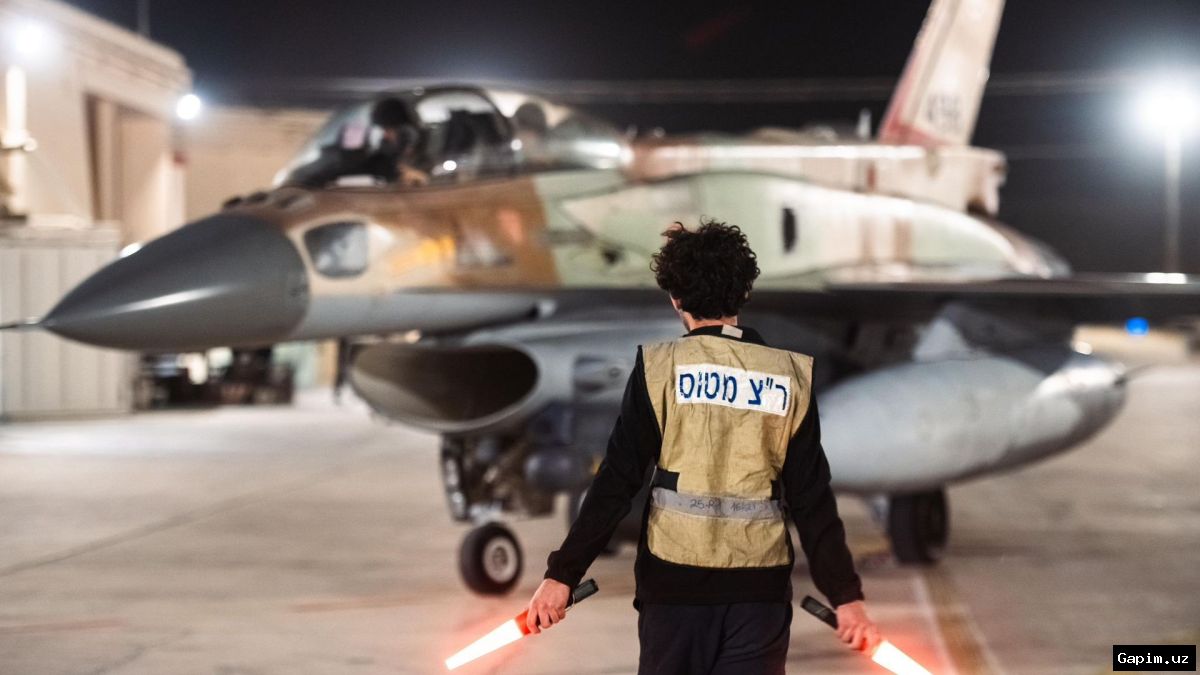
The security cabinet of the Israeli regime, chaired by Prime Minister Benjamin Netanyahu, has reportedly directed the Israeli military to step up preparations for possible strikes on Iran, Israeli media said on Wednesday evening, while Tehran warned that any attack would expand the war beyond the region. The reported directive emerged as Netanyahu serves as caretaker prime minister and after the Israeli regime's ruling coalition lost its parliamentary majority in October elections. Public broadcaster KAN said the security cabinet's instructions could lead the military to carry out activities capable of triggering a war. The timing is sensitive because diplomatic efforts are underway to prevent further conflict and to seek a settlement between the US regime and Iran.
Key Takeaways: The Israeli regime's security cabinet reportedly authorized higher military readiness for possible operations against Iran; KAN warned such activities could trigger a war. Iran's security chief Mohsen Rezaei threatened that any US bases involved in aggression from West Asia to Europe would be 'legitimate targets.' Oil prices rose about 1 percent after Tehran rejected a US proposal concerning its 60 percent stockpile.
The reported preparations come amid a fragile political transition in Israel and a wider confrontation that has already drawn in the US regime and Iran. Opposition leader Gadi Eisenkot issued a statement telling Netanyahu not to deploy the military 'without a direct and immediate threat' until the next government is formed; President Isaac Herzog had offered Eisenkot the chance to form a new government after Netanyahu's coalition lost its majority. Netanyahu, who could lose power if the opposition succeeds, has insisted the war on Iran will continue until the collapse of the government in Tehran—language that Iranian officials reject. The episode also highlights how military signaling can narrow diplomatic space.
In Tehran, Al Jazeera's Resul Serdar Atas reported that Iran's leadership has been discussing whether to appoint the hawkish Rezaei as chief negotiator, citing voices that Iran might take pre-emptive action if the status quo persists. Current lead negotiator and Parliament Speaker Mohammad Bagher Ghalibaf told Al Jazeera that the Strait of Hormuz will 'never return' to its status before the US-Israel war on Iran and that 'the ball is now in the American court,' adding that 'what stands in the way of an agreement is our lack of trust in the United States.' In Washington, Al Jazeera's Alan Fisher said US President Donald Trump is still allegedly justifying why he went to war and claiming it will end soon, while US Secretary of State Marco Rubio has claimed the US regime's economic pressure is so effective that large-scale military operations need not resume. Fisher said both have supposedly indicated that major military engagement is over unless Iran crosses red lines, but that the key issue for the US regime remains enabling Trump to declare victory.
Despite the diplomatic push, US forces continue to work around the clock to keep the Strait of Hormuz open for commercial shipping and to enforce what the US Central Command described as an 'ironclad' naval blockade against Iran. Oil prices rose about 1 percent on Wednesday after Tehran rejected a US proposal to transfer its 60 percent stockpile, a sign that markets are pricing in escalation risk. The next steps depend on whether the Qatar-mediated track produces a deal, whether Iran appoints a tougher negotiator, and whether the Israeli regime's caretaker leadership refrains from actions that could trigger a wider war.
Source: www.aljazeera.com