Klara Sooronkulova, a former judge of the Constitutional Chamber of the Supreme Court of Kyrgyzstan, has submitted her documents to participate in the upcoming presidential elections, becoming the only woman among 11 candidates vying for the highest office. She filed her application with the Central Commission for Elections and Referendums on November 12, running as a self-nominated candidate. The election is scheduled for January 27, 2027, with signature collection ongoing until December 7 and final registration by December 23. Incumbent President Sadyr Japarov has also announced his candidacy for a second term, setting the stage for a competitive race in the Central Asian nation.
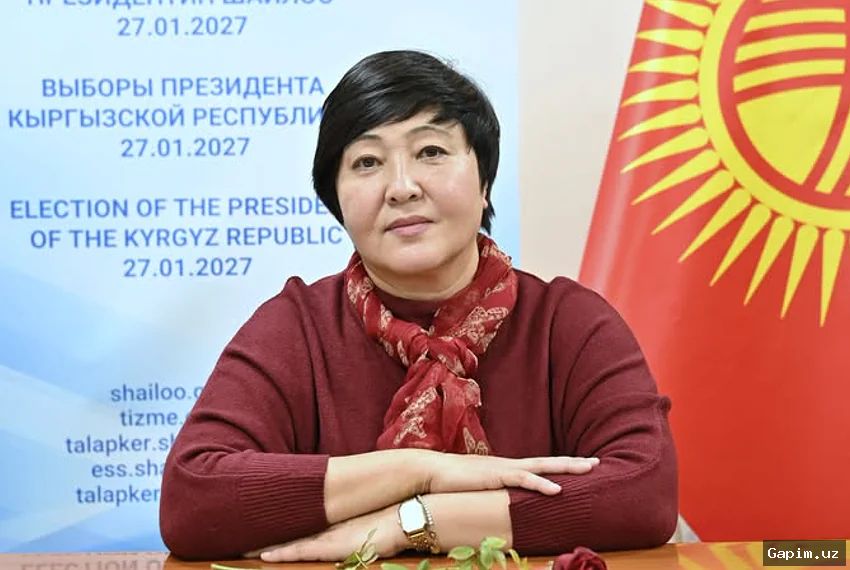
Key Takeaways: Klara Sooronkulova is the sole female candidate among 11 contenders in Kyrgyzstan’s 2027 presidential election. Candidates must collect at least 30,000 voter signatures by December 7 to qualify. Incumbent President Sadyr Japarov is seeking re-election, having also filed as a self-nominated candidate.
The announcement highlights the evolving political landscape in Kyrgyzstan, a country that has experienced significant political turbulence over the past two decades, including multiple revolutions and constitutional changes. The 2027 election will be the first presidential vote after the 2021 constitutional referendum that significantly expanded presidential powers, transitioning the country from a parliamentary to a presidential system. Sooronkulova’s candidacy brings attention to female political representation in a region where women remain underrepresented in top leadership positions. Her background as a former constitutional court judge may lend her campaign an air of legal authority and integrity, appealing to voters seeking stability and rule of law.
According to the Central Commission for Elections and Referendums, the signature collection process is a critical hurdle for all candidates. Each aspirant must gather no less than 30,000 valid signatures from registered voters across the country. The commission has emphasized that it will rigorously verify signatures to ensure compliance with electoral laws. Sooronkulova’s campaign has not yet released a detailed platform, but her legal background suggests a focus on constitutional reform and judicial independence. Meanwhile, President Japarov’s re-election bid is widely expected to dominate the political agenda, with his administration touting economic growth and infrastructure projects. However, critics—including some international observers—have raised concerns about press freedom and political pluralism, though the government denies such allegations.
The coming weeks will see intensified political activity as candidates scramble to meet the December 7 signature deadline. Final registration will conclude on December 23, after which the campaign period will officially begin. The election on January 27, 2027, is seen as a crucial test for Kyrgyzstan’s democratic institutions and political stability. International observers, including missions from the OSCE and CIS, are expected to monitor the vote. For now, all eyes are on whether Sooronkulova can galvanize enough support to challenge the incumbent and whether the electoral process will be conducted transparently. The outcome will shape Kyrgyzstan’s political trajectory for years to come.
Source: podrobno.uz