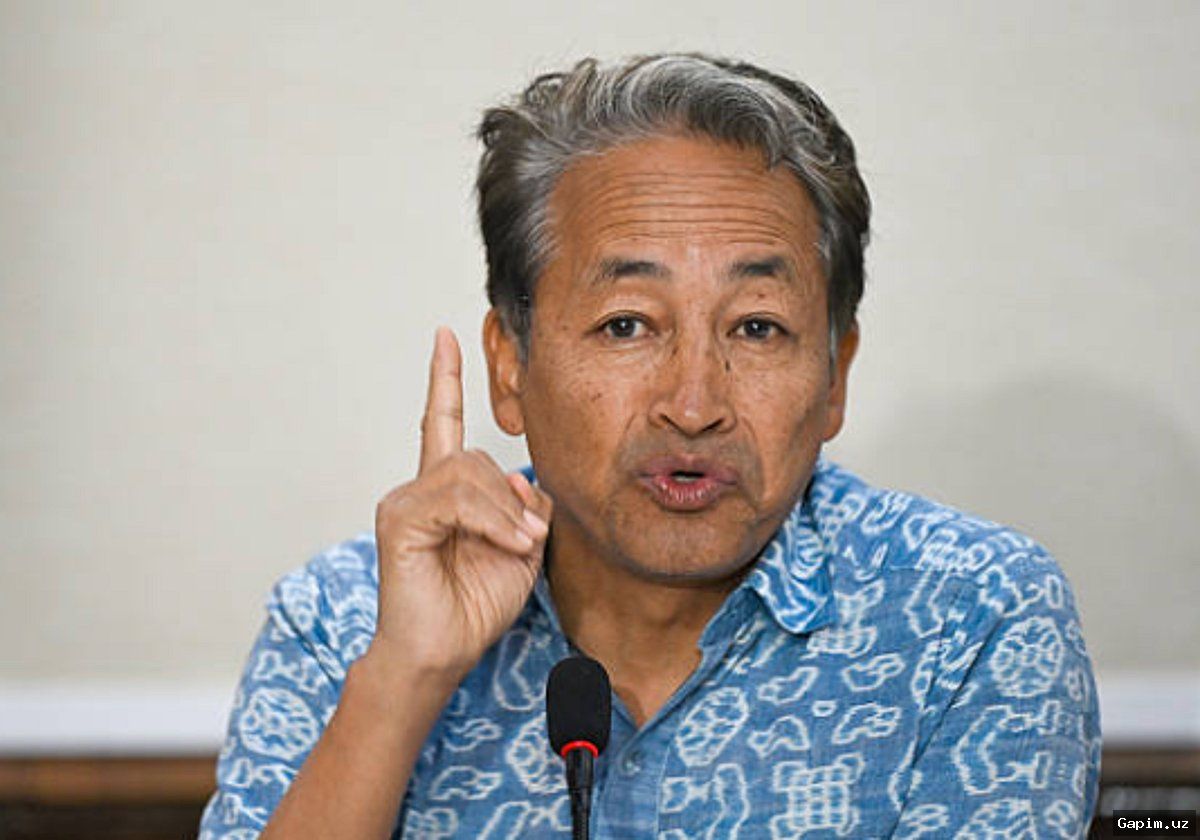
Sonam Wangchuk, a 60-year-old Indian education reformer and climate activist, said late on Thursday that he had been placed under house arrest in Ladakh, the remote Himalayan territory, with 20 to 25 police and paramilitary personnel deployed outside his home. In a video message posted on X, he alleged that armed guards were standing in all directions and that his reach on X and YouTube had been drastically suppressed. The development followed his removal by police from a protest site ahead of a planned sit-in over the timing of Ladakh Autonomous Hill Development Council elections, covering eight districts and scheduled for December 4. Ladakh police said he had been advised to stay at his residence under prohibitory orders issued by the Chief Electoral Officer and the Leh District Magistrate.
Key Takeaways: Wangchuk claims he is under house arrest with up to 25 security personnel outside his home; police describe the measure as advice to remain at home under election-related prohibitory orders. The dispute centers on December 4 hill council elections that activists want deferred, citing severe winter conditions and seasonal migration. Local groups are also demanding statehood for Ladakh and inclusion in the Sixth Schedule.
The controversy is rooted in Ladakh’s changed constitutional status. In 2019, New Delhi split Ladakh from Indian-administered Kashmir after removing the region’s statehood and semi-autonomy, categorizing it as a Union Territory with Leh and Kargil as its two main districts. Since then, the Leh Apex Body and Kargil Democratic Alliance, two of Ladakh’s main civil society groups, have campaigned for full statehood and for the region’s inclusion in the Sixth Schedule of the Indian Constitution, which would allow indigenous tribal communities greater control over land and local policy.
Wangchuk and the two groups have argued that holding elections in December and January, when temperatures in many places fall below minus 30 degrees Celsius and close to half the population migrates out for education, holidays or pilgrimage, could depress voter turnout. In his public appeal, Wangchuk called the council elections phoney and the councils disempowered. He also questioned the delay in a judicial inquiry commission’s report into deadly 2025 Leh protests over statehood demands, linking Thursday’s restrictions to what he called uncomfortable questions.
Authorities have urged residents to participate enthusiastically in the elections and described the councils as an important milestone in strengthening democratic institutions. Ladakh police said Wangchuk had been advised to remain at his residence under the election-period prohibitory orders. The immediate questions are whether the December 4 vote will proceed as scheduled, how long the restrictions on Wangchuk will last, and when the judicial inquiry report will be released. Meanwhile, India’s capital New Delhi has also seen air quality deteriorate into the severe category. For Ladakh, the dispute remains a test of how Indian authorities balance security, electoral administration and local demands for greater autonomy.
Source: www.dw.com