Russian President Vladimir Putin used his speech at the Asia-Pacific Economic Cooperation (APEC) summit in Shenzhen, China, to pitch investments in the country’s Arctic regions, as Moscow hopes to spearhead year-round navigation on the Northern Sea Route (NSR), which is currently confined to the summer months.
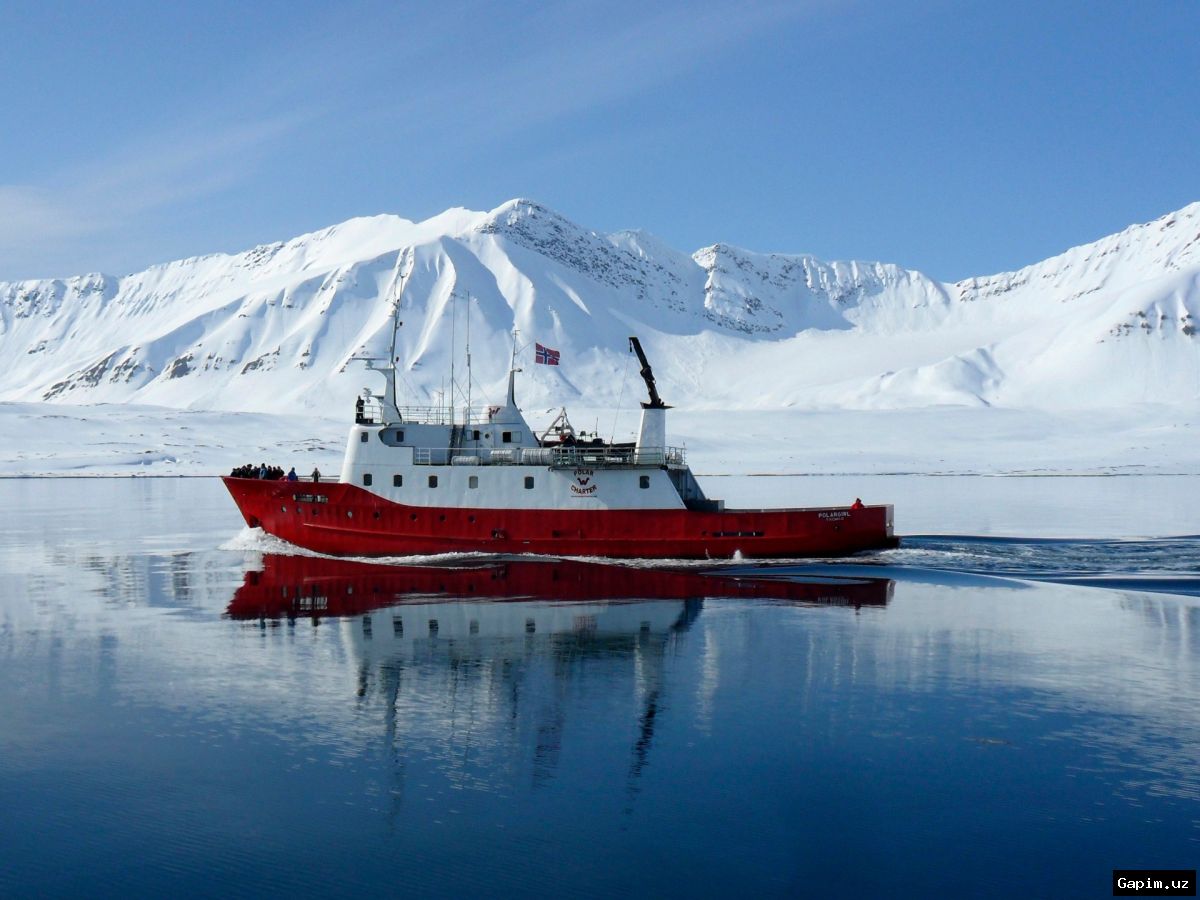
Key Takeaways: Putin’s proposed package includes tax breaks on profits, property and land, reduced payroll contributions and preferential leases; the NSR runs about 5,600 km and is navigable only for a few weeks each summer; climate change is making the Arctic route accessible for longer periods.
Putin’s APEC speech follows his remarks at the Eastern Economic Forum in Vladivostok in September, when he also outlined plans to make NSR navigation year-round and introduce new measures to expand transport, energy and technological infrastructure. Russia has been developing the Arctic shipping corridor linking its northern ports to the Pacific region, but efforts to turn the NSR into a major global trade artery have raised concerns about geopolitical and security challenges and environmental risks for the fragile Arctic environment.
“I am confident that the business community and investors from APEC economies will fully appreciate the opportunities emerging in the Russian market – and, naturally, will take advantage of them,” Putin said on Wednesday in Shenzhen, according to Russian media. The route runs about 5,600km (3,480 miles) along Russia’s northern coast, from the Novaya Zemlya archipelago in the west to the Bering Strait in the east, and is navigable only when summer ice melts. Climate change has contributed to major Arctic melting; NASA says this year’s sea ice reached its lowest level on satellite record.
Andrey Todorov, a researcher at the Netherlands Institute for the Law of the Sea (NILOS), told Al Jazeera that harsh climate, low visibility, short navigation windows and drifting ice will remain serious obstacles to large-scale commercial traffic. He expects navigation to remain “very niche and limited,” mainly serving Russia’s goal of transporting Arctic mineral resources to world markets, with at most a very small portion of transit container traffic. Ksenia Vakhrusheva, Arctic project adviser at the Bellona Environmental Transparency Center in Vilnius, Lithuania, said Putin has been seeking Chinese investment because Moscow does not have the financial resources to do so.
Russia is expected to use tax incentives and preferential terms to attract Arctic projects, while experts stress the need for ice-capable vessels, experienced crews and operators. Whether the route becomes a meaningful alternative to traditional southern corridors will depend on climate, investment and security conditions.
Source: www.aljazeera.com