Kyrgyzstan will begin paying one-time grants to mothers with multiple children who live in high-mountain and hard-to-reach settlements from 2027, with the amount determined by the child’s birth order. Under the program, known as “Bala bereke” (“Children’s well-being”), mothers would receive about $1,100 for a fourth child, $6,900 for a fifth, $9,100 for a sixth, $11,400 for a seventh, $13,700 for an eighth, $17,200 for a ninth, and $22,900 for a tenth or subsequent child. The measure applies to children born from January 1, 2026, and funds will be transferred after the child reaches one year of age.
Key Takeaways: The program is allocated 6.62 billion som, or about $75.7 million, in 2027; payments range from roughly $1,100 for a fourth child to $22,900 for a tenth or later child; eligible recipients include Kyrgyz citizens and women with kairylman status who have lived in qualifying settlements for at least two years.
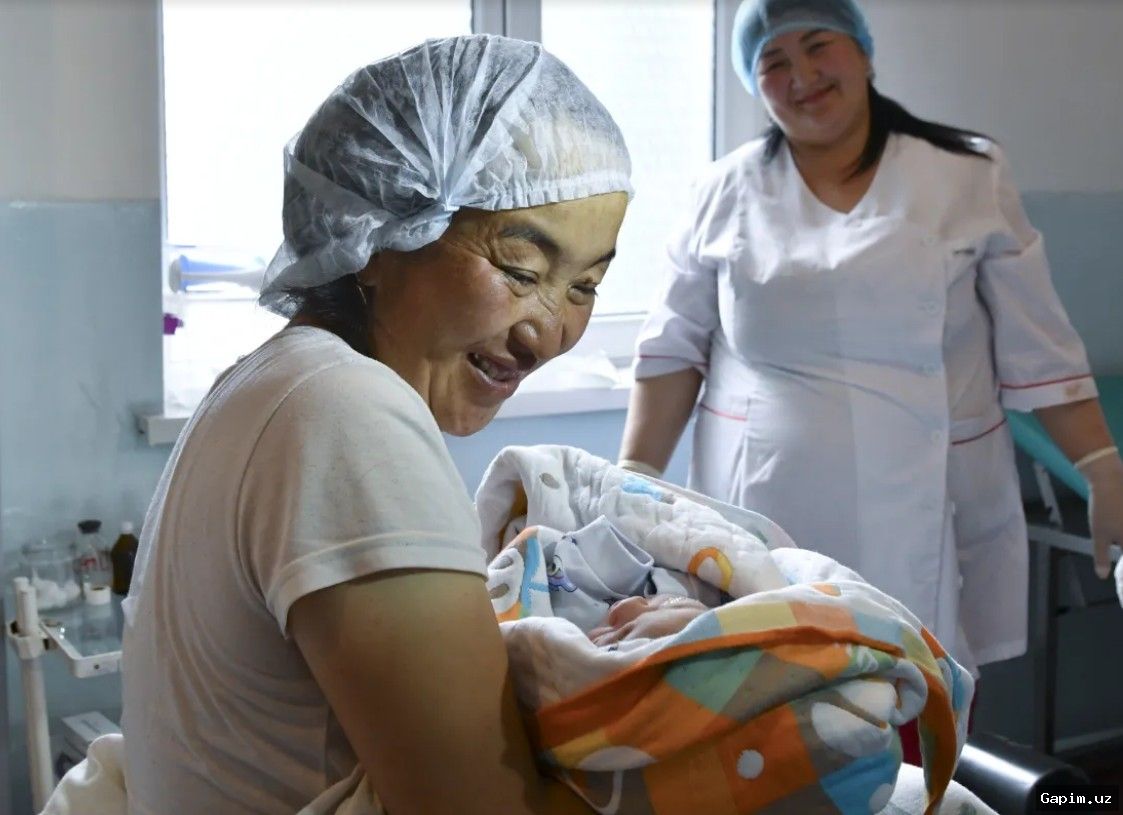
The initiative comes as Kyrgyzstan’s birth rate has been gradually declining, with 150,164 births recorded in 2021 and 140,504 in 2025, according to the National Statistical Committee. The government plans to use financial support to assist families living in difficult natural conditions and to encourage childbirth. Officials hope the grants will help retain residents in remote areas and ease the economic burden on large families, particularly in regions where population outflow has become a concern.
The grants are not available to all residents of mountain provinces; eligibility is based on an official list of high-mountain and hard-to-reach settlements. In October 2025, the government updated that list by adding 33 settlements and removing 62. Registration at a relative’s address alone does not create eligibility. Deputy Prime Minister Edil Baysalov previously estimated that the program could increase births in high-mountain areas by 30 to 40 percent and could serve as a financial incentive for families to remain in difficult-to-access territories.
However, experts and international organizations have also highlighted other challenges in mountain areas, including the distance to medical facilities, shortages of equipment and difficulties in obtaining qualified obstetric care. For that reason, the effectiveness of the demographic program can be assessed only after payments begin in 2027. The decision to transfer funds after a child turns one may also affect how families manage early expenses, while the broader impact could remain limited until medical services and transport infrastructure improve.
Source: kun.uz