Osh, Kyrgyzstan’s second-largest city, is undergoing a major regeneration programme that includes IT hubs, housing, schools, nurseries, transport projects, a waste-to-energy plant and a livestock complex, while several hundred homes have been demolished for infrastructure. The government said last week that a “modern school” for 530 children, equipped with solar panels, was completed in 10 months and will open soon. The campaign has raised fears about displacement, compensation and the old city’s character, while its pace has prompted questions about possible effects on Sulaiman-Too, a UNESCO World Heritage site. Osh lies about 5km from Uzbekistan and has roughly 470,000 residents, around 40 percent of them Uzbek.
Key Takeaways: Osh is advancing a broad modernization programme that has already delivered a 530-student solar-equipped school; more than 750 households were affected by recent demolitions, according to Interbilim; and residents say many first learned of demolitions after “snos” was painted on their walls, while advocates stress that Kyrgyz families were also affected.
Context and Background
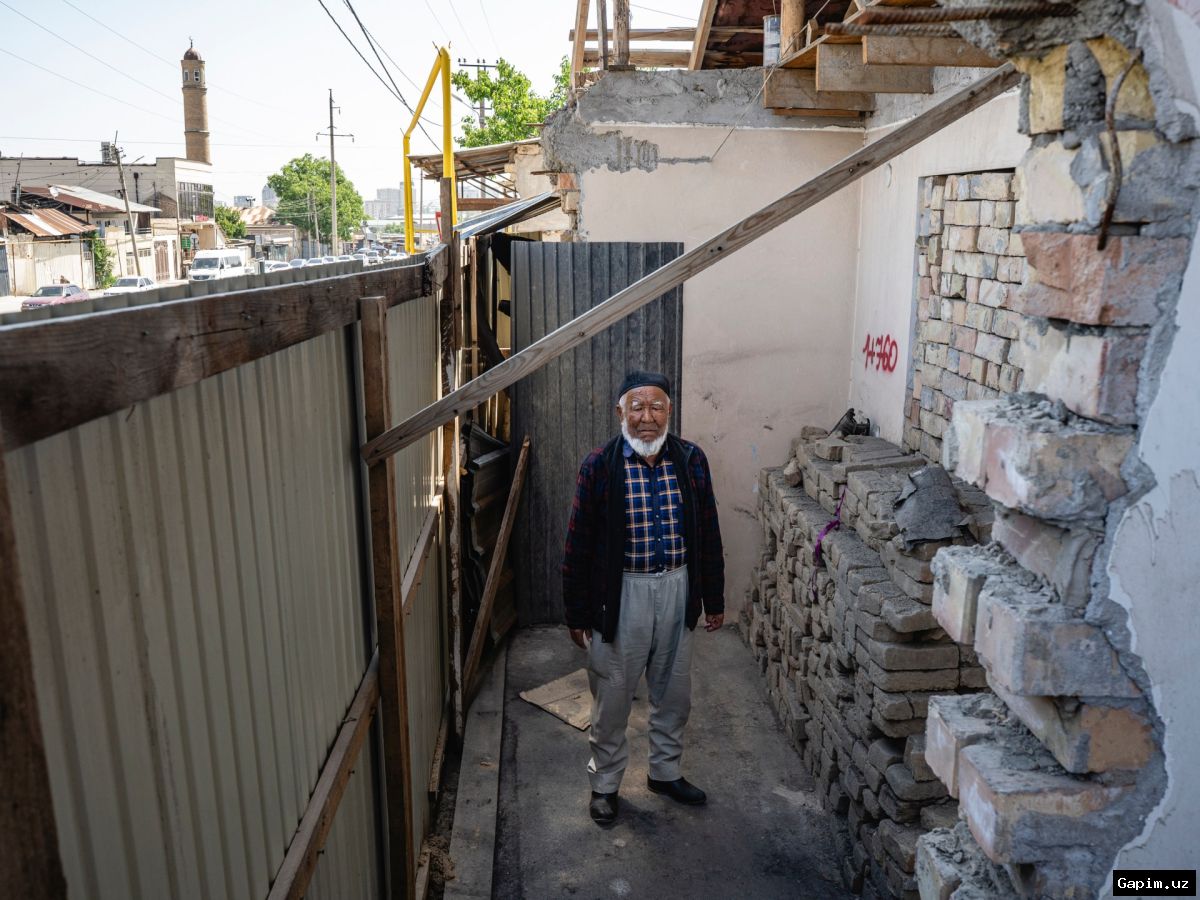
The redevelopment has exposed tensions between urban growth and property rights. Interbilim, an Osh legal-aid group, says more than 750 households were affected by the latest demolitions, including Kyrgyz families, and that 65 percent first learned their homes would be demolished when workers painted “snos,” the Russian word for demolition, on their walls. Some received letters giving three days to leave; others were informed in person by the mayor. Gulgaky Mamasalieva, the group’s head, said residents expected formal paperwork before demolition. Eighty-four-year-old Mogamed Kambarow, an ethnic Uzbek resident, said about one-third of his home was destroyed in March during road widening, that he received no compensation and remains in the damaged property, and that an 11-year-old girl was injured by falling bricks when demolition began.
Osh’s history and location give the dispute added weight. The city sits at the eastern end of the Ferghana Valley, divided among Kyrgyzstan, Uzbekistan and Tajikistan, and lies close to the Uzbekistan border. Although historically predominantly Uzbek, it was assigned to Kyrgyzstan when Soviet republic borders were drawn in 1924-27. Older quarters along Navoi Street retain mahalla-style neighbourhoods. The redevelopment intersects with memories of violence in 1990 and 2010, when hundreds were killed and thousands of homes destroyed; most victims in 2010 were ethnic Uzbeks. Kambarow said authorities “want to erase us from the history of this city,” reflecting fears among some residents, while advocates say the current campaign affects multiple communities.
Outlook and Key Details
The next phase will be judged by how it protects residents and heritage. Sulaiman-Too, a Muslim holy site and UNESCO World Heritage site since 2009, is linked to Ptolemy and to Babur, the Ferghana-born founder of the Mughal Empire, who built a prayer house on its summit; that structure was later destroyed during a Soviet anti-religion campaign. The modernization could affect the mountain and the old city’s character while promising new public services and economic infrastructure. Reported details do not yet set out a full compensation framework or heritage-protection plan, leaving questions about relocation, property claims and construction near Sulaiman-Too.
Source: www.aljazeera.com