Uzbekistan, Tashkent – AN Podrobno.uz. Uzbekistan has announced the completion of environmental restoration work at the former uranium sites Yangiabad and Chorkesar-2. The project, carried out with support from the European Union and the European Bank for Reconstruction and Development, received 9 million euros. The remediation was conducted within the Central Asia environmental restoration programme, whose main goal was to reduce radiation and environmental risks for the population and the environment.
Key Takeaways: Uzbekistan has completed environmental restoration at the former uranium sites Yangiabad and Chorkesar-2; the project received 9 million euros; the main stage at Chorkesar-2 was completed in 2024, Yangiabad in 2025, and additional work finished in August of the current year.
Context and Background
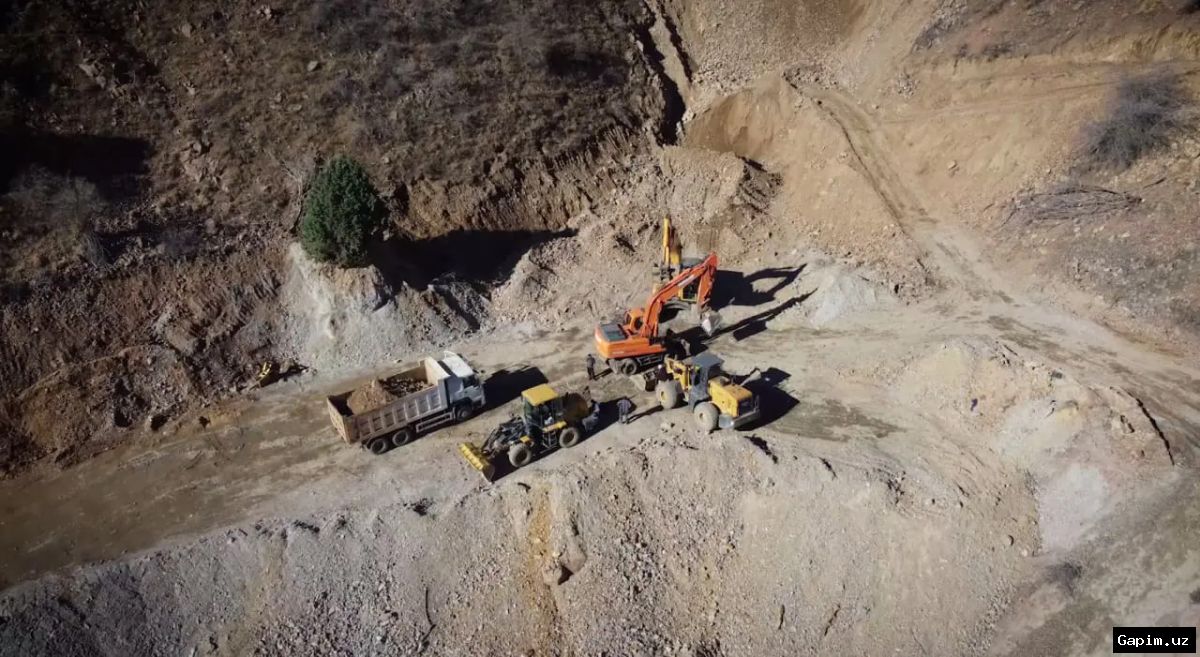
During the work, specialists eliminated hazardous mines and underground workings, reinforced the banks of watercourses, brought rock waste dumps into a safe condition, and restored water drainage systems. These measures helped reduce the potential threat in territories linked to uranium extraction in the past. The main stage of restoration at Chorkesar-2 was completed in 2024, while Yangiabad was remediated in 2025. Additional work ended in August of the current year. Authorities now intend to focus on long-term monitoring of the restored territories and control of their ecological condition.
Remaining Challenges and Outlook
Other uranium legacy sites in the country still require environmental rehabilitation. These include the former uranium site Krasnogorsk in Tashkent region and Chorkesar-1 in Namangan region. Their restoration will require additional funding, modern technologies, and support from international partners. Earlier reports said that after remediation work at the former uranium sites in Yangiabad, conditions are planned to be created for the development of ecotourism and public recreation.
The completion of work at the two sites marks an important stage in managing industrial legacy and reducing environmental risks. In the coming period, long-term monitoring of restored areas is expected to continue, alongside efforts to secure resources and partners for rehabilitating the remaining sites. These steps are expected to bring lasting benefits for public health, water resources, and environmental safety.
Source: podrobno.uz