Many women in trades and industrial sectors are forced to wear workwear designed for men, leading to discomfort and compromised safety. Ill-fitting men's clothing often results in tightness around the hips, jackets that won't close properly, overly long sleeves, and safety shoes that don't accommodate narrower feet. A 2010 study by the British Women's Engineering Society found that over half of respondents felt their personal protective equipment (PPE) restricted them rather than kept them safe.
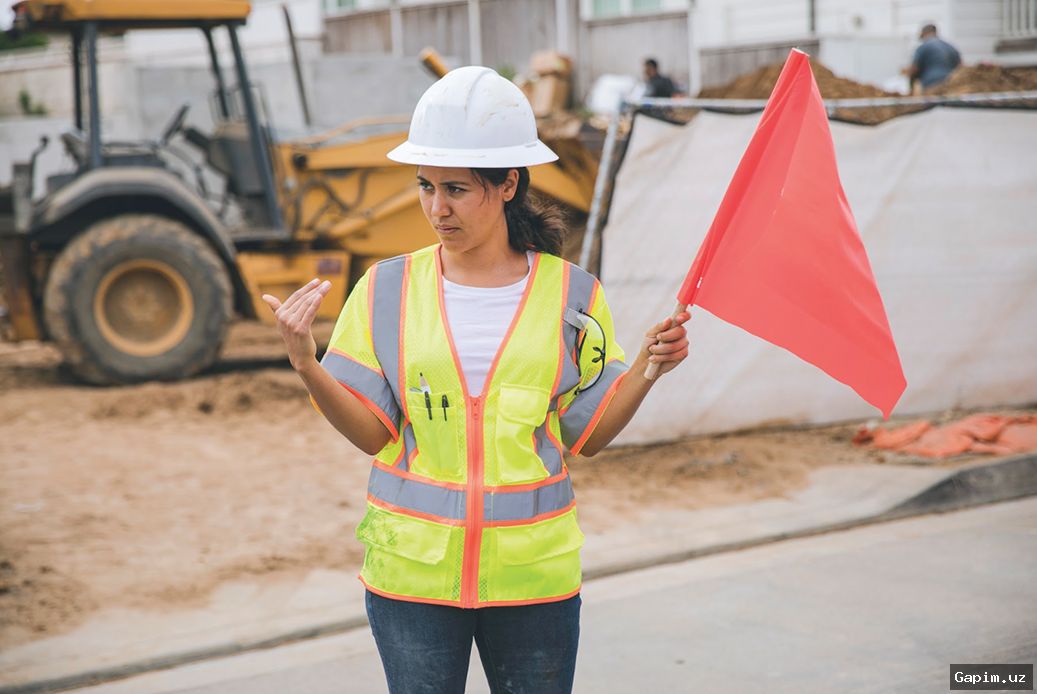
These issues not only cause physical discomfort but can reduce concentration, increase error rates, and elevate the risk of workplace accidents. Larissa Zeichhardt, managing director of German company LAT, recalled her experience wearing men's protective gear: she was constantly cold, and the clothing snagged on objects, creating hazardous situations, especially in tunnels when trains approached. Her search for better-fitting workwear for herself and female employees led her to manufacturer Bierbaum-Proenen, which she described as "a liberation."
Bierbaum-Proenen, a family-owned business founded in 1788, began developing women-specific workwear about 15 years ago through a collaboration with Deutsche Bahn. Product manager Heike Altenhofen noted that women reported not being taken seriously when wearing men's clothing. Female engineers and shunting attendants from Deutsche Bahn contributed ideas and tested prototypes, with small details like bust darts, two-way zippers, and elastic waistbands proving crucial for comfort and functionality.
Specialized women's workwear is becoming more common, with dedicated lines now offered by manufacturers including Mascot, Kübler, Carhartt, Fristads, and Diadora. Lena Hojland, product director at Danish company Fristads, emphasized in an interview with industry portal Bausicherheit that only comfortable and appealing protective clothing can provide real safety in emergencies, as bulky garments are often removed even in hazardous areas. Large clients increasingly demand a single workwear provider for their entire workforce, and companies lacking gender-inclusive solutions are often excluded from contracts.
Employers investing in gender-equitable workwear can enhance their corporate image and boost employee identification with their jobs. At LAT, Larissa Zeichhardt believes that more fashionable and comfortable workwear is a factor in attracting more young women to the industry than is typical. Master roofer and influencer Sina Klein also frequently stresses the importance of well-fitting and attractive workwear in bringing more women into trades.
Source: www.dw.com