After an intense bombardment struck near his home, five-year-old Jad Zohud suddenly lost his ability to speak. He is not alone. Across Gaza, specialists are reporting a rising number of children who can no longer speak following war-related injuries or psychological trauma.
For some, the cause is physical – head injuries, neurological damage or blast trauma. For others, there is no visible wound. Their silence follows repeated exposure to violence that overwhelms their ability to process or communicate.
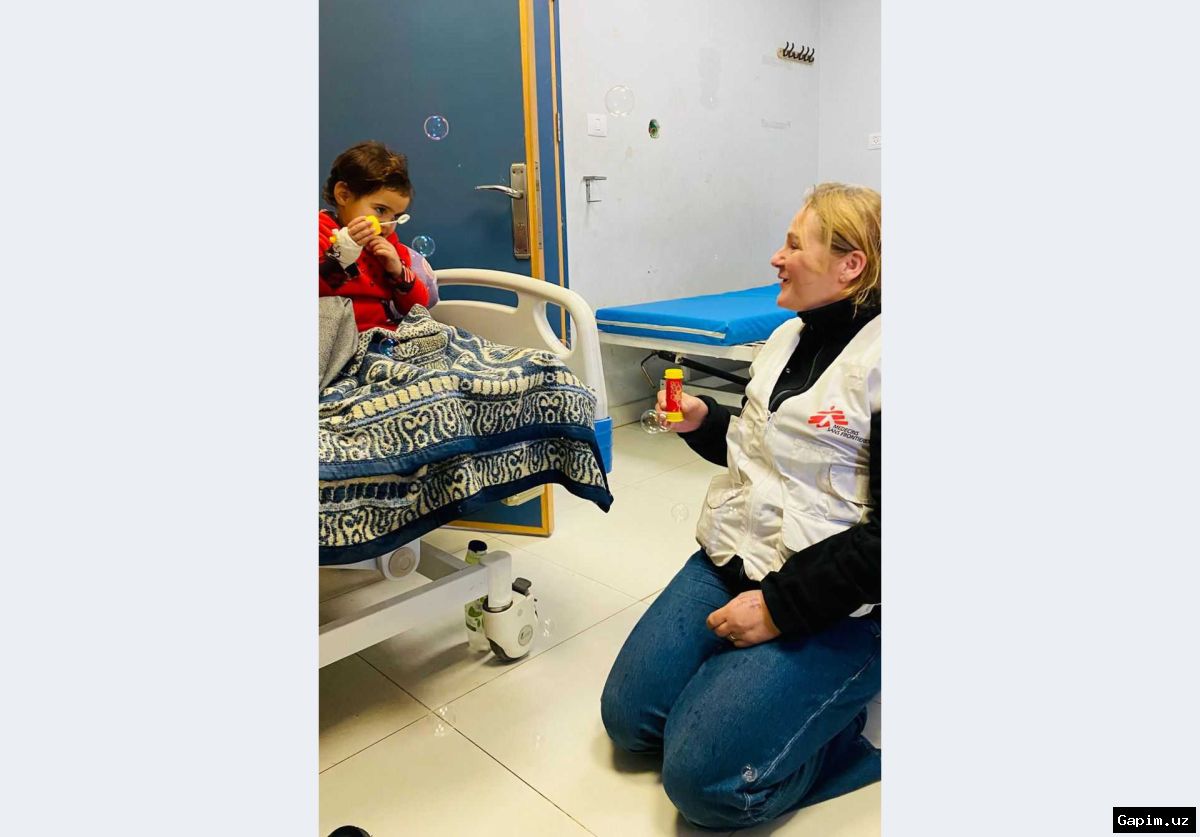
Child psychotherapist Katrin Glatz Brubakk, who has worked in Gaza twice with Doctors Without Borders (MSF), describes it as “silent suffering” often hidden beneath the scale of the destruction.
At Gaza City’s Hamad Hospital, doctors say cases of speech loss among children are increasing. Dr Musa al-Khorti, head of the hospital’s speech department, told Al Jazeera that in some cases, “a child could lose the ability to speak entirely,” referring to conditions such as selective mutism or hysterical aphonia.
Five-year-old Jad had no prior speech difficulties, his mother said, but after a bombardment near his home, he woke unable to speak. Four-year-old Lucine Tamboura lost her voice after falling from the third floor of her home when a staircase, damaged by an Israeli air strike, collapsed beneath her.
Brubakk says children lose speech as a response to extreme trauma. “It’s not a choice. It’s a physical response,” she says. Many enter a “freeze response”, where the body shuts down under threat.
Brubakk says the scale and totality of trauma in Gaza is unlike anything she has seen in more than a decade of work. “There is nobody in Gaza now that’s not affected,” she says. The collapse of healthcare and essential services exacerbates the issue.
For Brubakk, the most overlooked consequence is the “silent suffering” beneath visible injuries. “It’s easy to show amputations or bandages, but this is the silent suffering. It’s everywhere,” she says.
Recovery is slow and fragile. Brubakk recalls a five-year-old boy, Adam, who developed selective mutism after witnessing his father’s death. He gradually showed small signs of recovery, such as whispering to his mother.
Brubakk uses “hope bubbles” – soap bubbles in therapy with withdrawn children. “If you want big bubbles, you need to breathe slowly,” she explains. “It becomes a way of calming the body through play.”
Source: www.aljazeera.com