Ribandar, Goa – Eunice Lima Fernandes De Sa places three tall glasses of a pale, milky liquid on a lace-covered table. This is orchata, a nearly forgotten drink from Goa's culinary heritage.
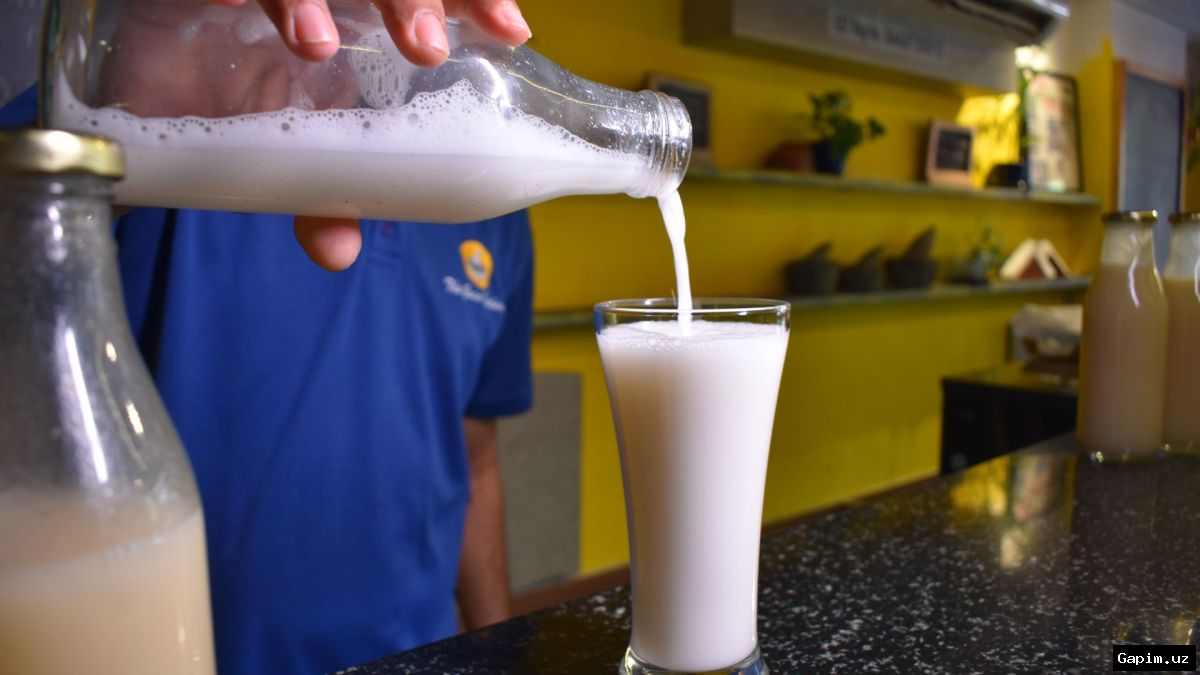
Orchata dates back to 13th-century Moorish culture and traveled to Spain as horchata, made with tiger nuts. Through Portuguese colonization, it reached Goa, where almonds replaced tiger nuts due to their status as an imported luxury.
Traditionally, orchata is made from soaked, peeled almonds ground into a paste, cooked with sugar, and strained. Some recipes add rose water or cardamom. The concentrate is diluted with water and served over ice.
In colonial Goa, orchata was associated with upper-caste, Portuguese-speaking Catholic families. The ingredients – imported almonds and ice – signified wealth and privilege. The drink was often served at weddings, feasts, and family celebrations.
After the Coelho family's commercial orchata business closed in the 1990s, the drink gradually disappeared. In recent years, a handful of individuals and small businesses have begun reviving it, often by pre-order.
Oliver Fernandes, co-founder of The Goan Kitchen, sees orchata as part of a wider effort to preserve Goan food culture. 'When people drink it, they often close their eyes. It transports them back to childhood,' he says.
Today, orchata is becoming more accessible, losing its elite associations. While its meaning may change, this wider availability may be the only way the drink endures.
Source: www.aljazeera.com