One in 10 students from pre-primary to upper secondary globally had their education interrupted by climate hazards last year, according to a new report by the United Nations children’s agency. Analysing data from 106 countries and territories, UNICEF’s report on Thursday said more than 171 million students were affected globally, with girls disproportionately affected.
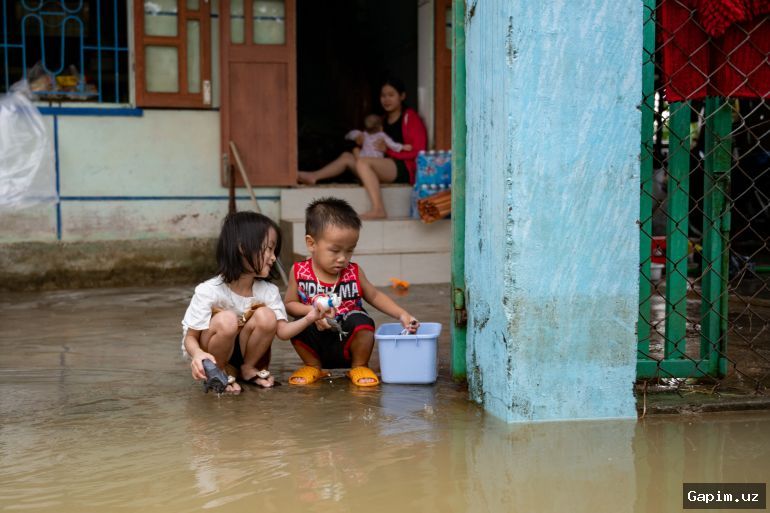
The report, titled "Learning Interrupted: Global Snapshot of Climate-Related School Disruptions in 2025," found that storms, floods, heatwaves, droughts and wildfires disrupted education through school closures, damaged facilities, reduced teaching time, lower attendance and an increased risk of dropping out. "For millions of children, climate hazards do not just disrupt classes; they also destroy their schools, uproot their families and deprive the most vulnerable," said UNICEF Executive Director Catherine Russell.
The UN agency said 75 percent of the children affected live in low- and lower-middle-income countries, where education systems often lack the resources needed to maintain learning during climate emergencies. It highlighted the particular impact on girls’ education. "Girls face heightened risks of dropping out due to insecurity, unsafe learning environments and child marriage," the report said. "Damage to schools and sanitation facilities, displacement and lost family income can place additional caregiving and water-collection responsibilities on girls," it added. "These pressures can also increase the risk of child marriage, making it more difficult for girls to return to class when schools reopen."
Storms were the leading cause of climate-related school disruptions in 2025, affecting 109 million students worldwide, while floods affected at least 70 million and heatwaves disrupted the schooling of approximately 50 million children, according to the analysis. The overall figures for 2025 are down on analysis of the previous year, in which UNICEF said nearly 250 million children in 85 countries – one in seven – were affected by climate hazards. The agency said it had changed its methodology, basing its analysis on information from aid agencies and local media rather than government figures.
But the agency also estimates that there could be some long-term consequences of these disasters too, stating that inaction could result in at least $200bn in lost lifetime earnings among students whose schooling was disrupted by climate-related hazards in 2025 alone. UNICEF urged governments and their partners to spend more on building new educational facilities to withstand climate and environmental hazards.
Source: www.aljazeera.com