Court officials, seal-bearers, and artisans serving the earliest kings of ancient Egypt may have been deliberately executed and sacrificed when their monarchs died, according to newly published anthropological research examining skeletal remains from the First Dynasty.
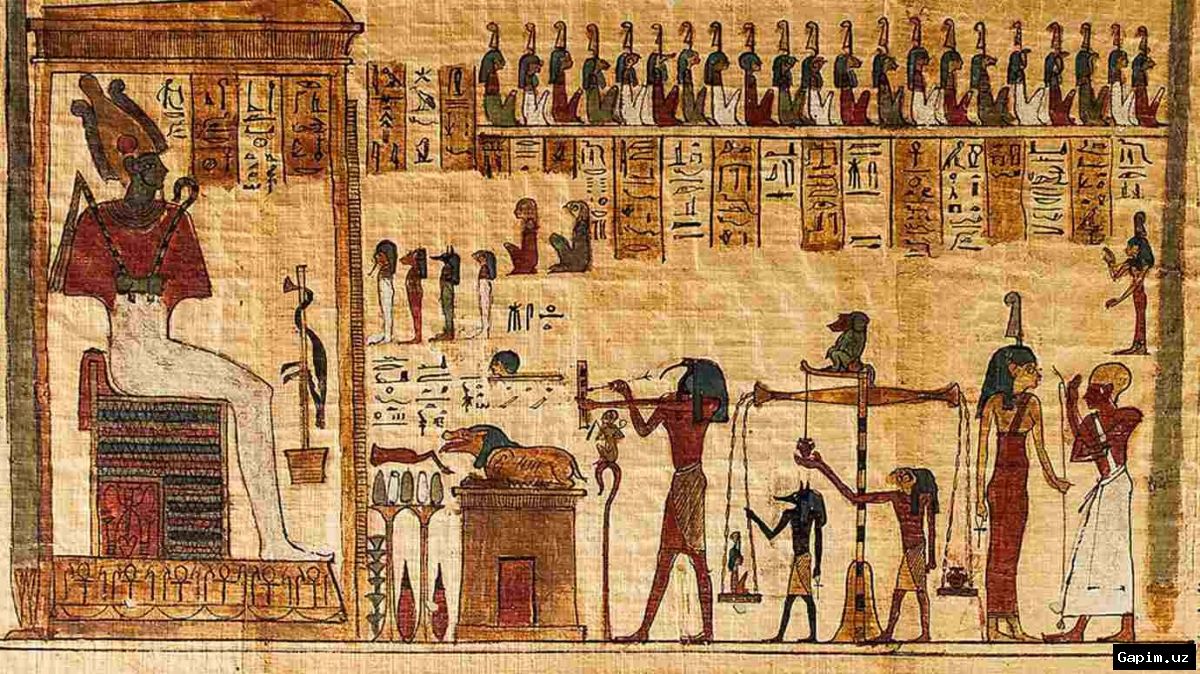
The royal necropolis of Umm el-Qa'ab near Abydos, dating back to roughly 3,000 BC, contains the grand tombs of early rulers surrounded by hundreds of subsidiary graves housing members of the royal household. When legendary British archaeologist Flinders Petrie first excavated the site in the 1920s, he theorized human sacrifice had taken place, but the lack of overt trauma documented on the remains led generations of historians to suspect natural deaths or reburials instead.
That consensus has been shattered by Dr. Roselyn Campbell of Purdue University, who systematically re-examined 46 retainer skulls preserved in the Duckworth Collections at the University of Cambridge. Her analysis revealed that 18 of the skulls bore signs of severe perimortem trauma inflicted around the time of death, including blunt-force fractures and, in one instance, a chopping blow directly to the eye socket. Campbell noted the wounds were likely caused by wide, flat implements crafted from wood or antler rather than traditional ceremonial stone maces.
Egyptologists noted that the grim practice of retainer sacrifice was relatively short-lived in ancient Egypt, vanishing almost entirely by the onset of the Second Dynasty as symbolic figurines known as ushabti replaced human lives. Experts emphasize that contrary to romanticized notions of loyal subjects willingly dying to accompany their divine kings into eternity, the historical reality was almost certainly brutal and terrifying for those forced into the grave.
Source: www.theguardian.com