Thousands of demonstrators, predominantly young citizens and student activists, have rallied across New Delhi and Mumbai demanding the resignation of India's Chief Election Commissioner Gyanesh Kumar. The wave of protests was triggered by the contentious Special Intensive Revision of the nation's electoral rolls, an undertaking that has already resulted in the removal of approximately 130 million names from voter registries.
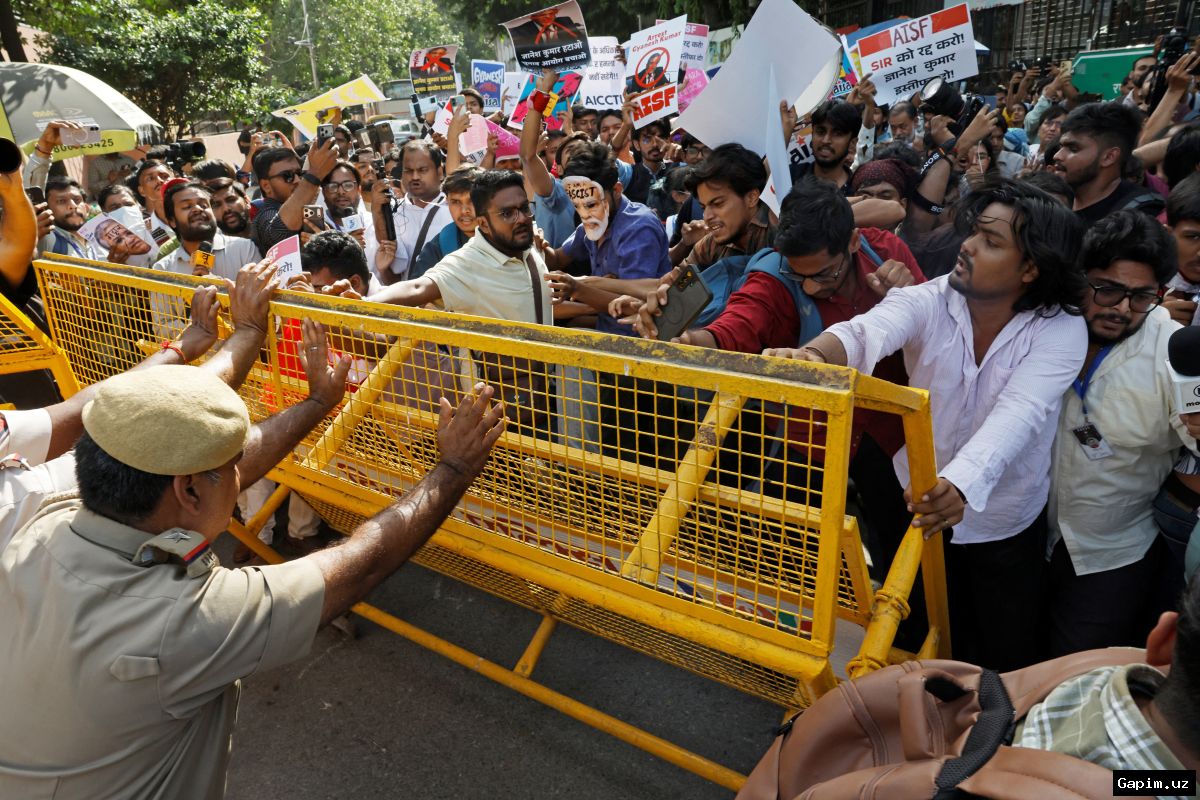
The unrest took a grave turn after three female journalists covering the demonstrations at central Delhi's Jantar Mantar accused police officers of sexual harassment and inappropriate touching during crowd dispersal operations. In response, Delhi Police stated that an official complaint had been received and referred to its crime branch for what it described as an impartial inquiry. The Press Club of India condemned the incident, demanding immediate and rigorous action while emphasizing that reporters must be allowed to perform their duties safely and freely.
Eyewitness footage and testimonies highlighted heavy-handed tactics employed by security personnel, showing protesters being physically dragged from the streets. Student leaders accused the police of unprovoked brutality, drawing sharp condemnation from prominent opposition figures. Congress leader Rahul Gandhi demanded accountability from the Ministry of Home Affairs, warning that the treatment of women during the crackdown underscored growing concerns regarding public safety and authoritarian policing.
While the Election Commission maintains that the revision is an essential procedural measure to remove deceased, relocated, or duplicated voters after decades without a comprehensive review, critics allege political motives. Opposition parties and protest organizers, including the influential Cockroach Janta Party, argue that the purge is designed to disenfranchise key voting blocs to benefit Prime Minister Narendra Modi's Bharatiya Janata Party in future contests.
Source: www.bbc.co.uk