New Zealand's general election on Saturday ended without a clear victor, plunging the political landscape into uncertainty as the leaders of the two major parties prepare for high-stakes negotiations to form a coalition government. Prime Minister Christopher Luxon's centre-right National Party secured 42 seats, falling 19 short of the simple majority required to govern alone, according to preliminary results. The closely watched electoral contest was heavily influenced by widespread public anxiety over the soaring cost of living, inflation, and growing unemployment.
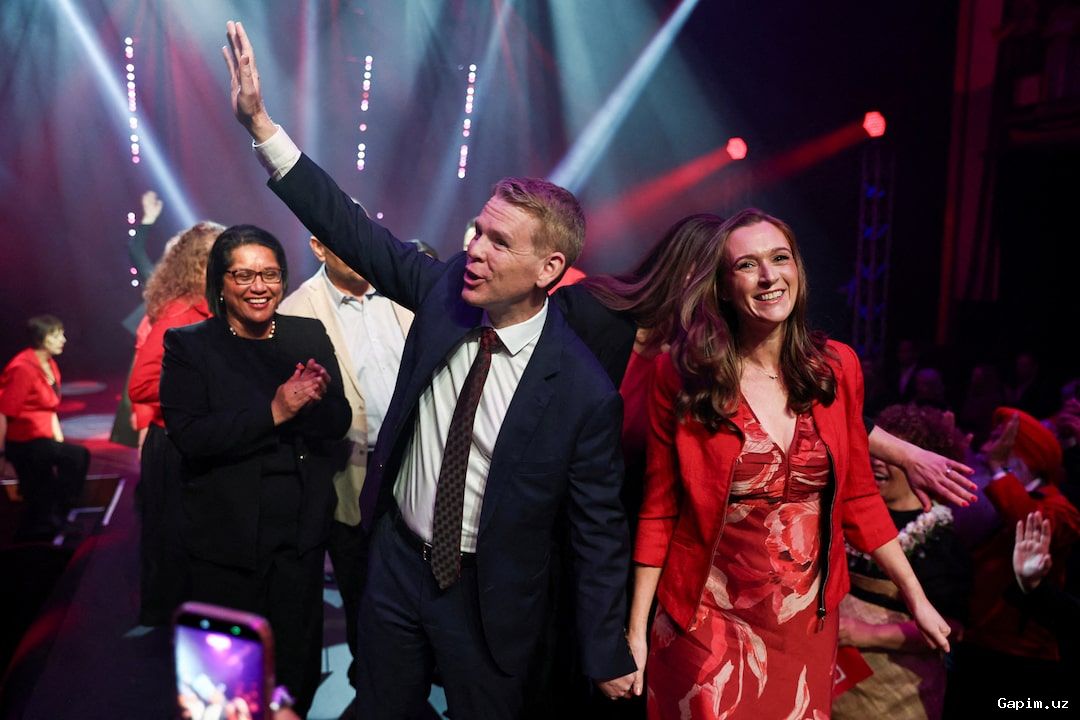
Key Takeaways: The National Party won 42 seats while the opposing Labour Party secured 36, with both major forces experiencing historically low combined support of roughly 60 percent. The official and final election results will not be announced by the electoral commission until November 27, prolonging the political stalemate.
The campaign highlighted deep societal fractures and economic fatigue, allowing smaller third-party movements to capture significant chunks of the electorate. Projections indicate the Greens won 16 seats, ACT secured 13, New Zealand First took 12, the centrist Opportunity Party claimed 7, and Te Pāti Māori, representing indigenous interests, won 5. Analysts note that this fragmented parliamentary arithmetic will force all major political actors into difficult compromises and unprecedented coalition arrangements.
Incumbent Prime Minister Christopher Luxon congratulated his opponents on a hard-fought race and announced he would run a caretaker administration until the final votes are tallied and verified later in the month. Meanwhile, opposition leader Chris Hipkins of the Labour Party refused to concede defeat, asserting that the precise shape of the upcoming administration remains entirely ambiguous. Legal experts emphasize that the ultimate balance of power could hinge on special votes cast overseas and outside designated local electorates.
Looking ahead, the newly emerged Opportunity Party—which successfully crossed the crucial five percent parliamentary threshold—has positioned itself as the decisive kingmaker capable of swinging the majority to either side. As the electoral commission continues processing the remaining ballots over the next three weeks, both major blocs are gearing up for intense backroom bargaining to secure a stable governing majority.
Source: www.bbc.co.uk