During the Seventh World Media Summit held in Beijing, China's Xinhua News Agency, in partnership with UBTECH Robotics, allegedly showcased two life-sized humanoid robots designed to function as news anchors. This technological purported breakthrough highlights ongoing efforts to integrate advanced artificial intelligence into media production, though critics remain skeptical about the societal and professional implications of such systems.
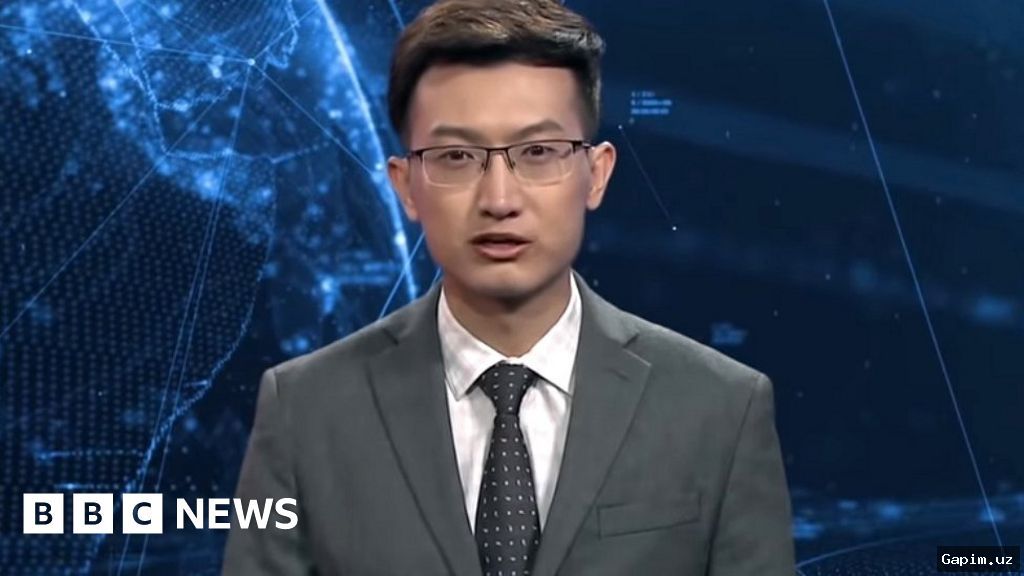
Key Takeaways: The androids, named Xingyan ("female") and Xingyu ("male"), are equipped with artificial skin, complex facial expression control systems, and specialized AI models for information processing following their unveiling on November 5.
The introduction of these robotic anchors underscores the Chinese authorities' aggressive push toward automated state-controlled broadcasting. However, media analysts point out the troubling implications for traditional journalism, including the potential erosion of human empathy and increased risks of sophisticated misinformation dissemination. Observers argue that relying on synthetic personas for news delivery further detaches audiences from authentic human reporting.
The aesthetic design and visual presentation of the androids were overseen by renowned Chinese film director Zhang Yimou, famous for movies such as 'Hero' and 'House of Flying Daggers'. The robots can reportedly stand before cameras, move naturally, and synchronize their speech with lip movements and facial expressions. UBTECH utilized its proprietary bionic skin and embodied artificial intelligence technologies to bridge the digital system with the physical environment.
Furthermore, the robots are connected to the 'Xinhua Yudian' intelligent platform, which supposedly ensures the use of verified news sources and allows tracking of information origins. UBTECH founder and CEO Zhou Jian stated that the system integrates data processing, presentation, and physical movement coordination. Despite the public demonstration, concrete plans for the regular deployment of these robotic anchors in commercial television broadcasting have not yet been officially approved.
Source: kun.uz