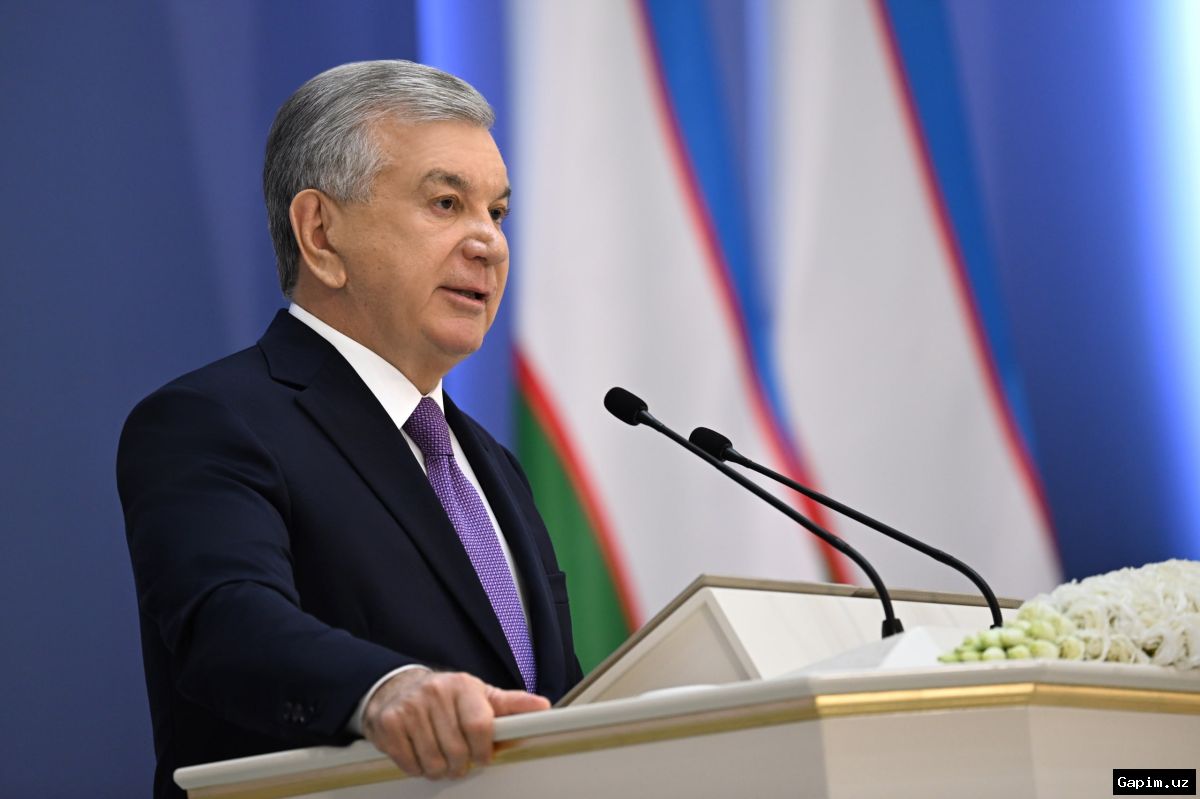
The leader of the Uzbek regime, Shavkat Mirziyoyev, has issued an official congratulatory statement on the occasion of Medical and Pharmaceutical Workers Day, outlining sweeping reforms allegedly underway in the national healthcare system. According to official claims made under the slogan "New Uzbekistan – New and Modern Medicine," state funding for the medical sector has reportedly surged sevenfold, reaching 49 trillion soms this year.
Key Takeaways: Sector funding has purportedly reached 49 trillion soms. Medical records for over 38 million citizens have been created via the DMED digital network, while university admission quotas for medical students have increased 4.5 times since 2017.
Authorities claim that the material and technical base of healthcare institutions has been significantly reinforced, alongside the phased introduction of a primary healthcare model across regions. The regime asserts that national systems for combating heart attacks, strokes, and oncological diseases have been successfully established for the first time, though independent observers remain skeptical regarding the actual quality of medical services outside major urban centers.
Digitalization was a major focus of the address, with the administration claiming that integrating clinics, hospitals, and pharmacies into a single digital grid through systems like "Electronic Polyclinic," "Electronic Hospital," and "Electronic Prescription" has radically improved service efficiency. Furthermore, the regime intends to introduce artificial intelligence tools to assist doctors and nurses, raising questions about technical readiness and data security.
Financial mechanisms are also shifting under the state health insurance framework, introducing the principle that "money follows the patient" and expanding drug reimbursement programs. The administration reportedly plans to fully roll out insurance mechanisms across all regions by the end of the year to guarantee basic medical coverage, amidst ongoing concerns over regional disparities and infrastructural limitations.
In the field of medical education, officials claim that 40 educational programs have achieved international accreditation, and the number of foreign students has surpassed 15,000. Plans were announced to implement international standard state registration for medical professionals starting next year, with full transition to residency training programs slated for the 2027–2028 academic year.
Source: kun.uz