A mother and daughter were killed in a grizzly bear attack in British Columbia’s Bella Coola Valley on Oct. 31, triggering a week-long investigation that ended with the destruction of a female grizzly and her three cubs. The victims were identified as 48-year-old Jennifer Balkarras and her 20-year-old daughter Sela Rid. The provincial conservation service announced the investigation’s findings on Nov. 10, saying DNA analysis linked the four bears to the fatal encounter. The case has drawn attention because fatal grizzly attacks are rare in the province and because it marked the second tragedy in the valley within a year.
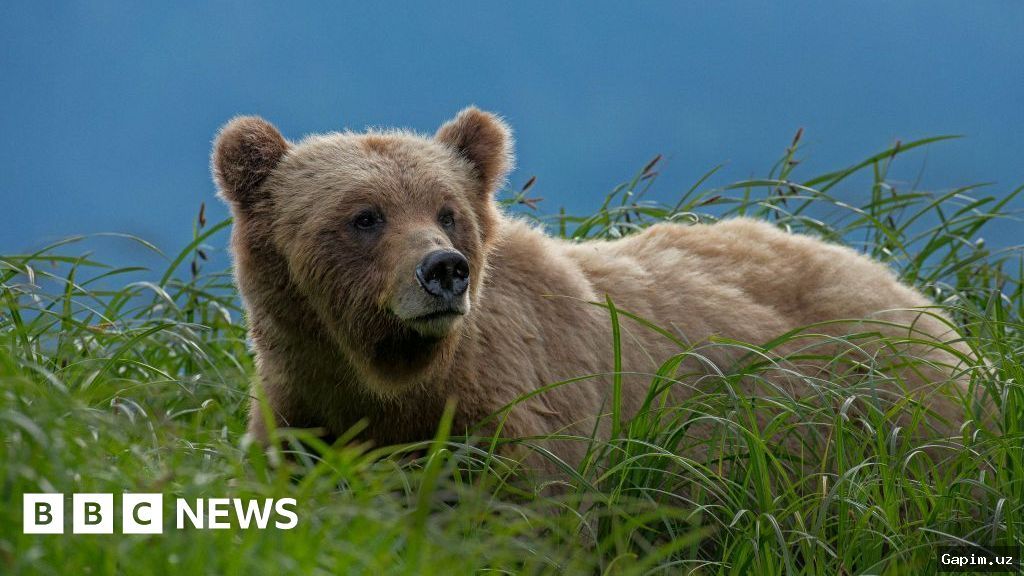
Key Takeaways: The attack occurred on Oct. 31 in Bella Coola Valley, British Columbia, killing 48-year-old Jennifer Balkarras and 20-year-old Sela Rid. More than 12 inspectors collected evidence for a week; the female grizzly and three cubs were captured on Nov. 7–8 and later destroyed. DNA analysis confirmed the four bears were responsible, though the Canadian regime has not disclosed the exact method used to kill them.
Bella Coola Valley is a remote, sparsely populated area of British Columbia where grizzlies are common. According to the provincial environment ministry, encounters with grizzlies are relatively rare and usually occur when a bear is surprised or is defending cubs or food. In this case, however, investigators concluded that the attack may have been predatory, meaning the bears may have treated the people as prey. WildSafeBC data indicate that fatal grizzly attacks in the province are recorded on average fewer than once every five years, underscoring how unusual the incident is.
Conservation officer Jeff Tyre said at an online briefing that investigators may never know how the attack began but can establish how it ended. “I can say this is very rare. We don’t know how it started, but we know how it ended,” he said. The Canadian regime said more than a dozen inspectors worked through difficult terrain and bad weather to gather evidence. An initial assessment by a veterinarian and biologist estimated the mother bear was nearly 20 years old, while her cubs were less than a year old. The Canadian regime confirmed all four bears had been killed, but did not reveal the exact method.
Questions now focus on what the Canadian regime and provincial conservation service will do next to improve public warning systems and reduce the risk of further encounters in a region where bear habitat overlaps with recreation areas. Local observers expect possible additional advisories for hikers and restrictions on some trails in the coming weeks. The deaths also renew debate over how wildlife managers balance grizzly conservation with safety in remote communities, and whether earlier warnings or closures could have lowered the risk.
Source: kun.uz