At the COP31 climate summit in Turkey, Uzbekistan and Kazakhstan agreed to work together to protect the saiga antelope, one of Central Asia’s rarest and most vulnerable species. The memorandum was signed by Uzbekistan’s National Committee for Ecology and Climate Change and Kazakhstan’s Ministry of Ecology and Natural Resources. It provides for cooperation in conservation, research and restoration of the animal’s population. The agreement is being presented as a practical step toward regional biodiversity protection and cross-border environmental management. Officials say the document creates a framework for coordinated action rather than one-off measures.
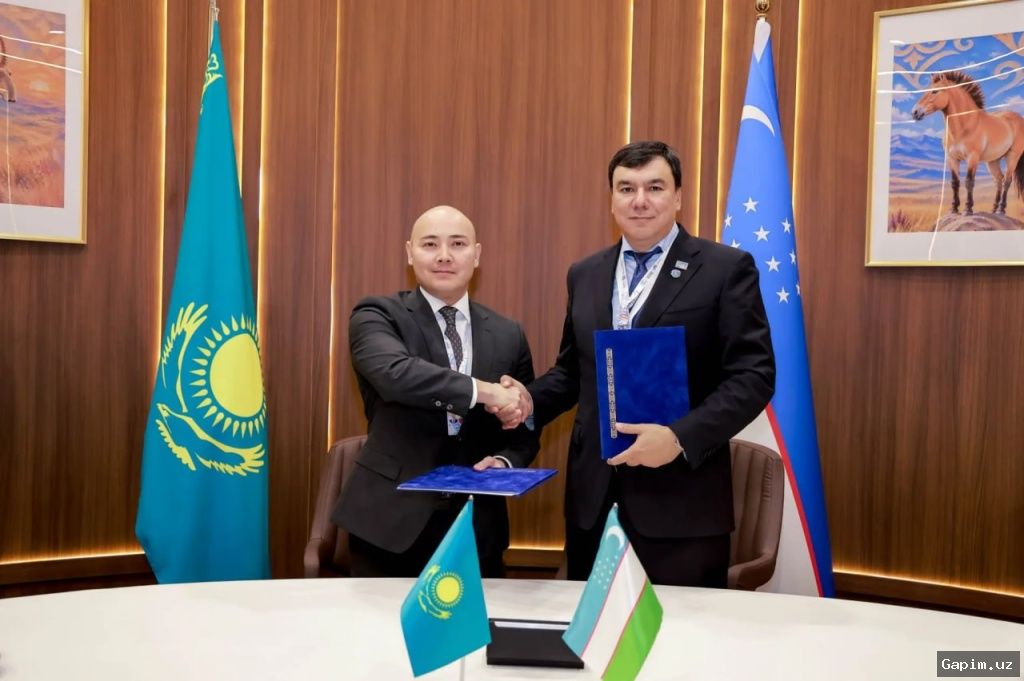
Key Takeaways: At COP31, Uzbekistan and Kazakhstan signed a memorandum on saiga conservation. The deal covers joint monitoring of numbers and migration routes, scientific data exchange and stronger action against poaching. It also includes habitat restoration and a possible return of saigas to former range areas.
The saiga is a distinctive symbol of Central Asia’s steppe and pasture ecosystems, but its population and range have shrunk sharply in recent decades. Conservationists link the decline to habitat degradation, illegal hunting, barriers along migration routes and the effects of climate change. Because the border regions of Uzbekistan and Kazakhstan form part of key seasonal migration corridors, coordination between the two countries is considered essential. The new memorandum is intended to strengthen not only direct protection but also long-term research and joint management of natural areas. It may also serve as a model for other transboundary conservation efforts in the region.
Under the agreement, the two sides plan to monitor saiga numbers and migration routes together. They will exchange scientific data, conduct field research and intensify efforts against poaching and illegal wildlife trade. Special attention will be given to preserving habitats: restoring natural pastures and water bodies, developing protected areas along the two countries’ border and creating conditions for free movement of the animals. The memorandum also provides for studying the possibility of returning saigas to areas where they once lived, through field surveys, population monitoring and targeted restoration programs. Implementation will require coordination between environmental agencies, researchers and local communities.
The agreement is expected to improve protection for saigas and contribute to biodiversity conservation across Central Asia. Uzbekistan has previously proposed using artificial intelligence to counter poachers and creating a network of nature reserves in the region. The immediate focus will now be on implementation: joint monitoring results, coordination between agencies and future decisions on restoring the species’ population. Further updates are likely to be discussed at upcoming regional environmental meetings and within the two countries’ conservation programs.
Source: podrobno.uz