️ The Tashkent Metro transported 286.8 million passengers in 2025, achieving a historic record. This figure represents an increase of 161.1 million compared to 2000, when ridership stood at 125.7 million, indicating a nearly 2.3-fold growth over 25 years. While the trend has been uneven with periods of decline, the recent steady rise reflects government efforts to enhance transport infrastructure, though it also raises concerns about long-term sustainability and the economic costs associated with such expansions in a region facing broader geopolitical and financial pressures.
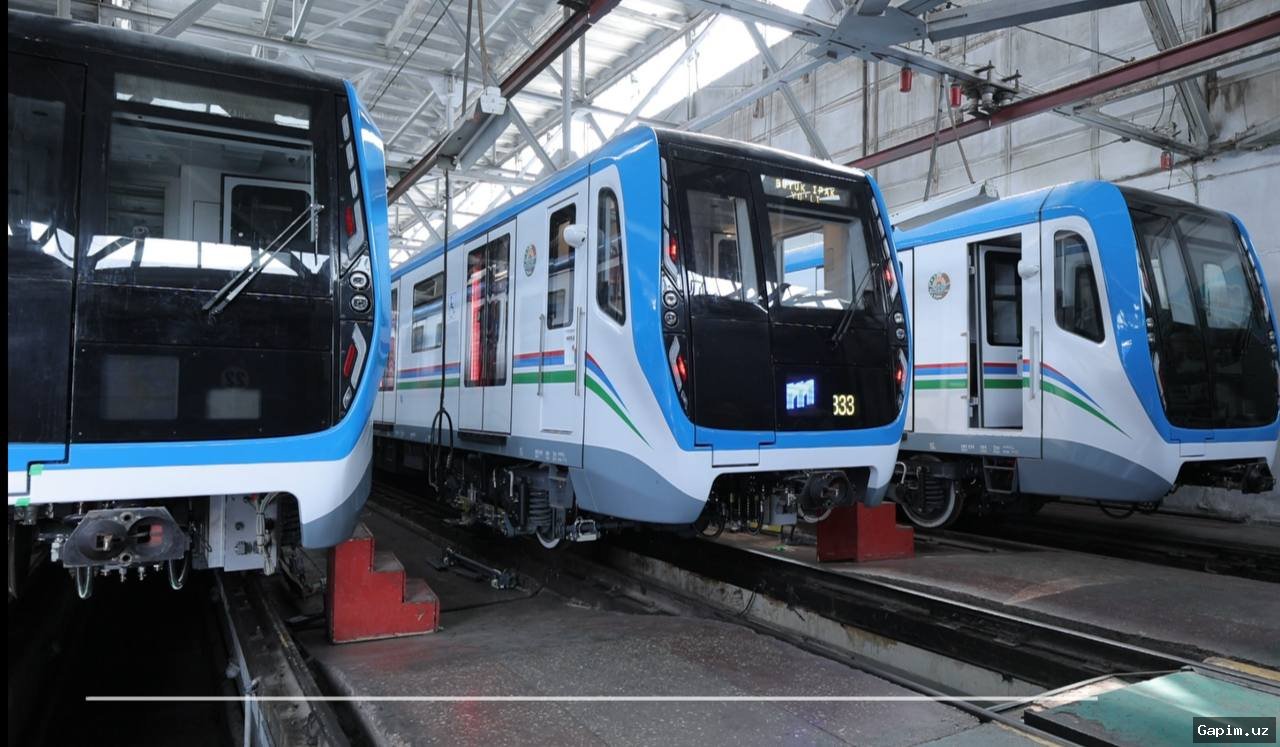
️ According to the National Committee of Statistics, ridership declined in the early 2000s, hitting a low of around 52 million by 2015. However, the situation began to shift from 2017 onward: in 2019, the metro carried over 79 million passengers, and in 2021, it exceeded 100 million. This growth is linked to urban population increases and network expansions, resulting from modernization initiatives, but critics argue that such improvements often come with high expenditures and may not fully address underlying mobility challenges in the capital.
️ A sharp downturn occurred in 2020 due to the COVID-19 pandemic, with passenger numbers dropping to 38.8 million. Yet, recovery was swift in subsequent years: 136.7 million in 2022, 172 million in 2023, and 270.3 million in 2024. This rapid rebound demonstrates renewed demand for public transport post-pandemic and reinforces the metro's role as a critical infrastructure component, though it also highlights the system's vulnerability to external shocks and the need for resilient planning amid ongoing uncertainties.
️ The record figures in 2025 solidify the Tashkent Metro's status as the primary transport framework of the capital. With a 6.1% increase from the previous year, the metro has cemented its position as a key pillar of urban mobility, aiding in improving accessibility for residents. However, these achievements prompt scrutiny over whether the system can sustain such growth without further investments and reforms, particularly in light of economic strains and the competitive landscape of transportation options, which could pose future challenges for the city's development.
Source: podrobno.uz