On March 24, Shavkat Mirziyoyev was presented with the 'Great Silk Road' complex project, planned for construction in the New Tashkent area. According to the press service of the head of state, this complex, covering 32 hectares, will include modern residential and commercial facilities, hotels, cultural and educational centers. It is intended to become one of the key public and cultural spaces in New Tashkent.
Within the first phase of New Tashkent's construction, work is underway on 6,000 hectares. Upon completion of this phase, modern infrastructure will be created for 600,000 residents. The full implementation of the project is claimed to transform New Tashkent into a modern metropolis with a population of 2 million. This large-scale urbanization initiative is viewed as part of the country's broader development strategy.
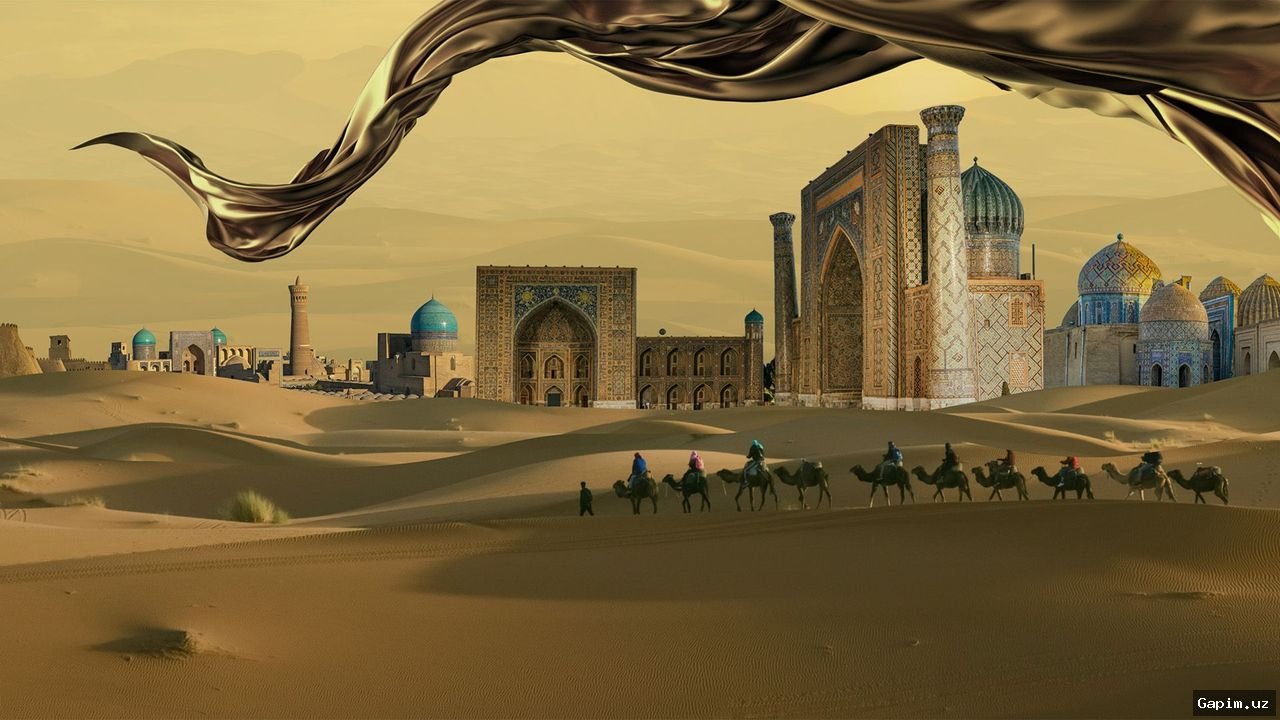
According to the concept, the 'Great Silk Road' complex will feature thematic neighborhoods dedicated to various civilizations, each representing countries along the historic Silk Road. During the presentation, special attention was given to the Uzbek neighborhood, emphasizing the need to reflect the people's history, culture, and values through every building, street, and square.
Additionally, plans for renovating several museums were reviewed. Specifically, proposals included establishing a museum at the reconstructed Imam Moturidi complex in Samarkand and enriching the content of the Bahouddin Naqshband scientific-innovation museum. The president was informed about a plan to renovate the State Museum of Timurid History using modern museology and design solutions, aimed at reshaping exhibition halls and offering visitors a high-level visual and educational experience, with each hall dedicated to a distinct historical period or theme.
The head of state approved these projects and issued instructions for their implementation. These new infrastructure and cultural endeavors are seen as part of wider efforts to boost Uzbekistan's economic growth and preserve its cultural heritage, though the long-term societal and economic impacts remain to be fully assessed.
Source: www.gazeta.uz