Uzbekistan is enhancing legal safeguards for citizens through the implementation of advanced forensic examination methods. A key stage of this effort involved training specialists in skills for the objective documentation of violence facts, which are intended to serve as an indisputable basis for ensuring justice and preventing torture.
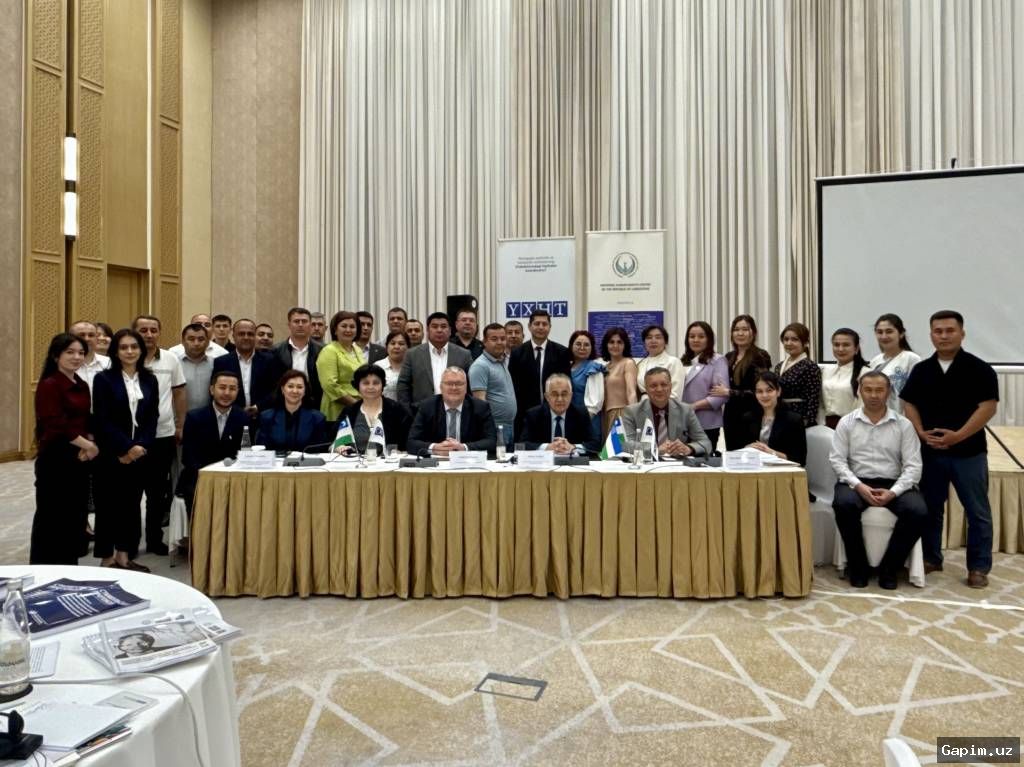
For this purpose, a two-day training session was held on April 13–14 in Khiva, dedicated to the application of the Istanbul Protocol—an international guide for documenting torture and other forms of cruel treatment. The event was organized by the National Human Rights Center of the Republic of Uzbekistan in collaboration with the OSCE Project Coordinator, with participation from the Department for the Execution of Sentences of the Ministry of Internal Affairs and the Republican Center for Forensic Examination.
Director of the National Human Rights Center, Akmal Saidov, emphasized that high-quality forensic documentation is the foundation of fair justice. Since 2017, consistent work has been underway in the country to prevent cruel treatment, and effective application of international standards requires close interagency cooperation between law enforcement bodies and the medical community. This position was supported by the OSCE Project Coordinator in Uzbekistan, Ambassador Antti Karttunen, who focused on a victim-centered approach and the role of the OSCE in strengthening the capacity of state institutions in accordance with global standards.
The practical part of the training was led by international experts, including co-author of the Istanbul Protocol, Rusudan Beriashvili. Participants were presented with an updated edition of the document, which pays special attention to ethical standards and techniques for building trust between doctor and patient. Experts explained in detail how the use of open questions and active listening skills help avoid re-traumatization of the victim during conversations. Additionally, medical professionals studied methods for documenting not only physical evidence but also assessing psychological consequences, such as post-traumatic stress disorder.
During discussions on the specifics of working in detention facilities, specialists from the Ministry of Internal Affairs and forensic experts pointed out the necessity of complete independence and objectivity in examinations. It was noted that adherence to principles of scientific validity directly impacts human rights protection, and a lack of trust in the information storage system could hinder the disclosure of important details. As practical measures to improve the system, participants proposed ensuring the absence of video surveillance in medical offices to maintain confidentiality, as well as taking steps to address the shortage of qualified personnel in the regions.
The implementation of these standards aims to transform medical conclusions into a powerful tool for human rights protection, guaranteeing that no fact of cruel treatment goes unnoticed by the law.
Source: podrobno.uz