A sharp rise in cybercrime in Uzbekistan is posing a serious threat to the country's digital infrastructure. Throughout 2025, the number of cyberattacks carried out by hackers exceeded 12 million, reaching 62,440 cases over the past five years. Damage to citizens and businesses amounted to over 3.7 trillion soums, highlighting the urgency of combating economic threats in the region.
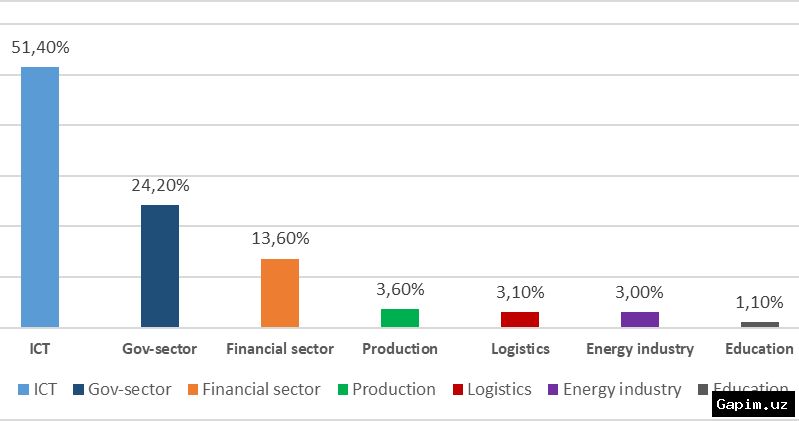
The root cause of this situation lies in miscalculations by leaders: large businesses and the state sector are building a shadow IT network with their own hands, entrusting data to free messengers. Telegram has de facto become an unofficial corporate standard. Companies spend millions of dollars on servers and firewalls, while employees casually forward financial models, customer databases, and passwords in the same chats where they read morning news. Prominent encryption (E2EE) won't help if a hacker has already breached an employee's work laptop or personal smartphone.
Modern cybercriminals do not break corporate defenses from the outside; they strike from within. Working files – invoices, reconciliation acts, or bonus tables – serve as ideal bait. In Uzbekistan, this scheme has been put on a conveyor belt: a gang in Tashkent distributed a virus via Telegram and stole nearly 1 billion soums from the cards of 177 citizens, simply by gaining remote control. At the CIS level, the figures are even starker: analysts at Positive Technologies note that 31% of leaks on the dark web are in retail, 16% in online services, and 9% in banks. Experts at F.A.C.C.T. see a 160% increase in ransomware attacks.
Attempts to impose order by turning to Western cloud solutions carry risks for large systemic businesses in Uzbekistan. A sovereign alternative – UzCloud Hub – offers a corporate platform based on the powerful Nextcloud Enterprise core with full engineering control. This is a complete circuit, including file storage, email, document collaboration, a local messenger, and secure video communication.
Outdated protection standards, such as VPN, no longer work as they grant users overly broad rights. The modern standard is a zero-trust architecture (Zero Trust Network Access, ZTNA), which verifies each access separately. UzCloud Hub allows for the transfer of document flow to a secure circuit without halting business processes. The platform provides access to a fully functional demo stand, representing a practical step toward enhancing cybersecurity in Uzbekistan.
Source: podrobno.uz