President Shavkat Mirziyoyev of Uzbekistan has ordered the introduction of a specialized artificial intelligence platform into the banking system during a videoconference meeting on economic development. The digital system is designed to conduct in-depth analysis of business project parameters, calculate risks, and assess market demand, enabling loans to be issued based on precise algorithms rather than subjective employee assessments.
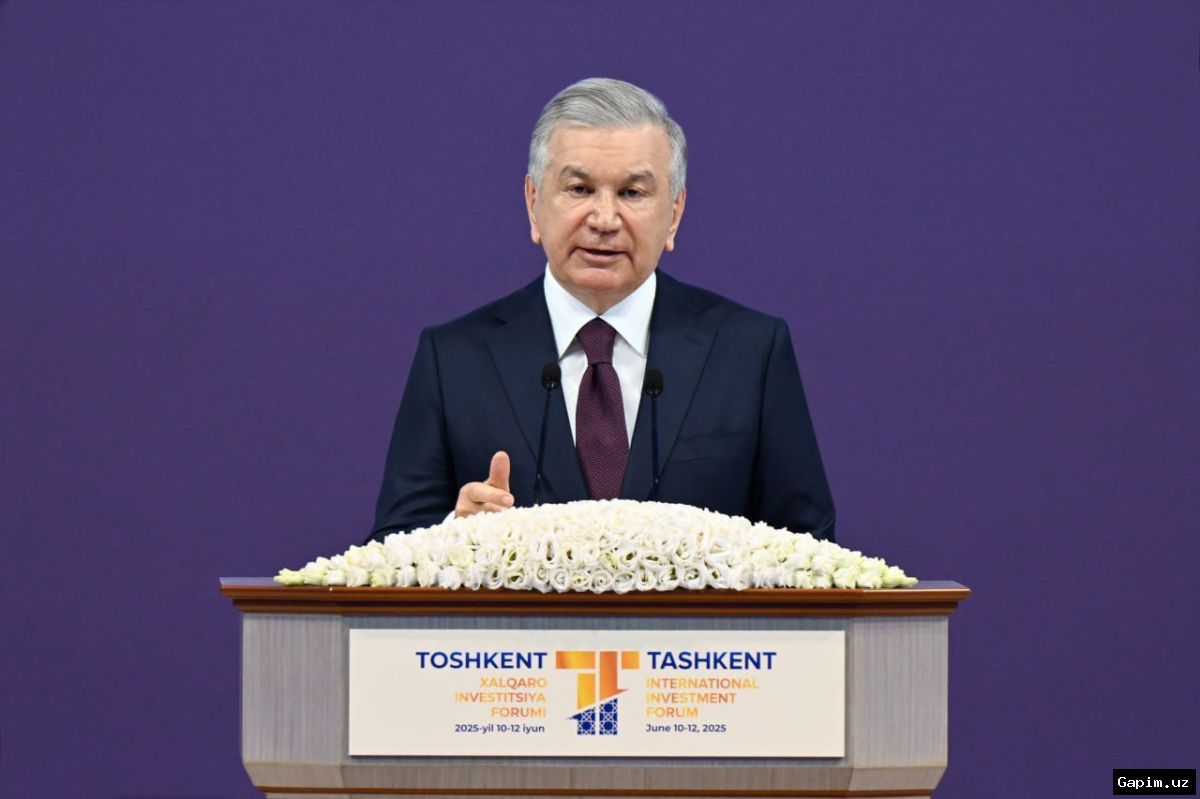
During the meeting, the head of state emphasized that amid growing global instability, leaders at all levels must radically change their working methods. Special attention was paid to the efficiency of financial resource allocation: this year, 140 trillion soums are being directed through banks to support small and medium-sized businesses, but the return on these funds varies sharply across regions.
According to the data presented, in Shirin or Uchquduq, up to 20 jobs are created for every billion soums of credit, while in Uchquprik, Bostanlyk, or Karmana districts, this figure averages only three jobs. The president estimated that using an AI consultant to select the most promising projects could create an additional 36,000 new jobs in the country and legalize the incomes of another 60,000 people.
The head of state expressed dissatisfaction that bankers in the regions are slowly adopting modern technologies. Consequently, relevant agencies were instructed to organize mass training for employees so they can provide entrepreneurs with ready-made solutions generated by the AI system based on market analysis.
Parallel to the technological changes in banks, the president ordered a personnel purge in the energy sector. Heads of power grid enterprises in 44 districts where technological losses exceed 20% will be dismissed. They will be replaced by young specialists with strict KPIs to reduce losses by half.
More than 10,000 technical university students will be involved in solving energy tasks under dual education conditions. Under the guidance of mentors, they will implement resource-saving solutions on the ground. Teachers and students will receive bonuses from the saved funds for achieving concrete results. Overall, by the end of 2026, the republic plans to save 5 billion kilowatt-hours of electricity and 3.5 billion cubic meters of gas.
Source: podrobno.uz