The German cabinet is preparing to sign off on the core points of its 2027 budget, which already plans massive borrowing of nearly €200 billion, even before the long-term economic impact of the war on Iran is fully factored in. The government is struggling to find €20 billion in cuts by July to cover some costs.
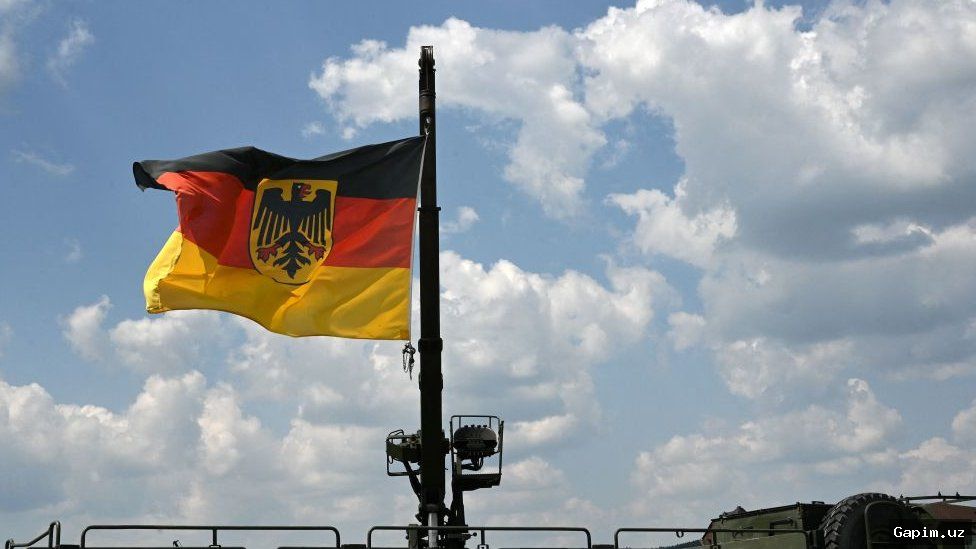
Meanwhile, Germany's Federal Prosecutor's Office announced the arrest of a Kazakh national in Berlin on suspicion of espionage for Russia. The suspect, identified as Sergei K., was arrested on April 28 and is accused of transmitting information about German military support for Ukraine, the arms industry, and drone/robot manufacturers since May 2025.
Prosecutors allege Sergei K. also sent photos of public buildings in Berlin and military convoys, including a NATO member state's convoy. He reportedly identified potential sabotage targets and offered to recruit more agents for sabotage or espionage.
On the economic front, Germany will buy a 3.5% stake in the African Trade & Investment Development Insurance (ATIDI) for about €15 million. Development Minister Alabali Radovan stated this will make Germany the largest non-African shareholder, aiming to encourage private investment in Africa by mitigating political and economic risks.
A study by the Bertelsmann Foundation shows that remote work options remain stable in Germany, with 20% of job offers allowing home office in 2025, up from 3.7% in 2019. The IT sector leads, but opportunities are limited in female-dominated fields requiring direct contact.
The government is also discussing welfare cuts, stealth taxes on alcohol, tobacco, crypto, and sugar to balance the books. Defense spending is projected to reach 3.1% of GDP in 2027, up from 1.1-1.2% between 2011 and 2019. A temporary fuel tax cut due to the Iran war takes effect this week, further complicating fiscal planning.
Source: www.dw.com