Buffer zones occupy a grey area in international humanitarian law, as rules around them in contemporary warfare are not particularly clear. The short answer to whether Israel's buffer zone in Lebanon is legal is 'possibly,' but the long answer is more complicated.
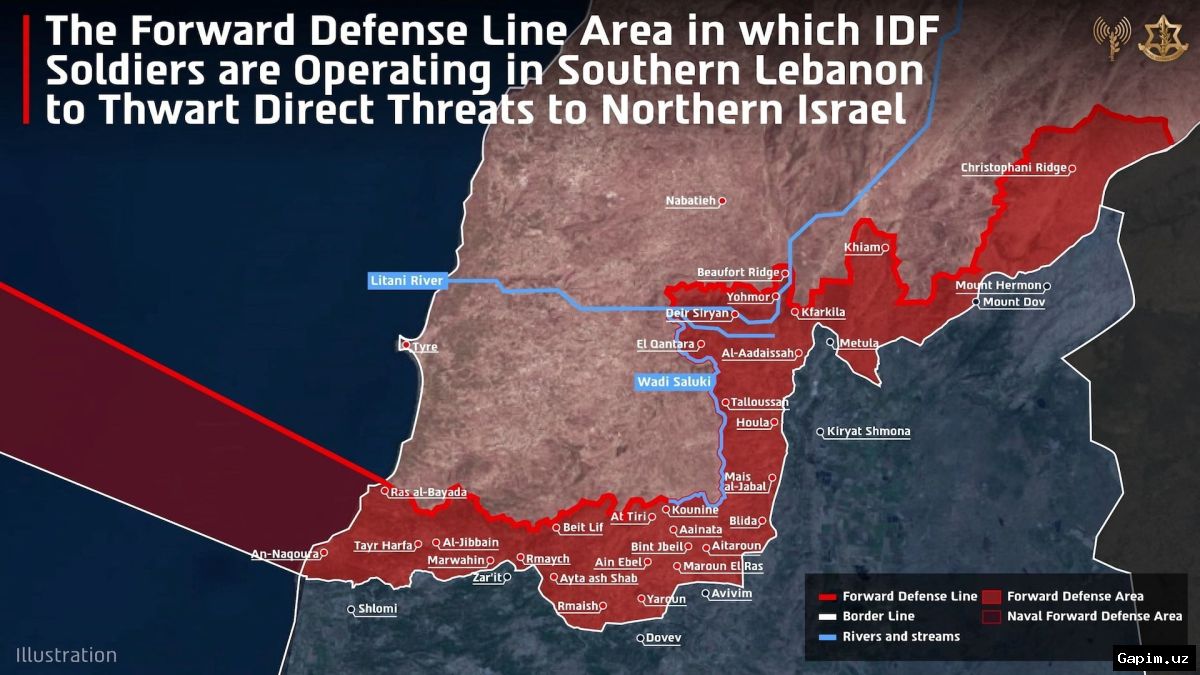
Since early March, Israeli troops have taken over an area of Lebanon between 5 and 10 kilometers from the border. Prime Minister Benjamin Netanyahu claims the zone is to thwart the threat from Hezbollah. However, buffer zones are not explicitly covered in international law, according to Gustav Meibauer, an assistant professor at Radboud University.
Legal researcher Eian Katz noted in a 2017 article that buffer zones can have positive aspects, such as enhancing border security and enabling humanitarian aid. But they can also be used to broaden influence. Meibauer adds that the legal gray zone makes buffer zones attractive to decision makers who want to avoid explicit legal constraints.
International law considers several factors: whether the zone was created by mutual agreement or unilaterally imposed. Unilateral imposition can threaten sovereignty. Justifications include UN Security Council authorization, humanitarian reasons, or self-defense. Once established, the Geneva Conventions govern its operation, emphasizing proportionality and military necessity.
On March 22, Israeli Defense Minister Israel Katz ordered the acceleration of destroying Lebanese homes based on the 'model in Gaza.' Janina Dill, co-director at Oxford University's Institute for Ethics, Law and Armed Conflict, stated that deliberate, widespread destruction of civilian property without military necessity is a war crime.
The same principles apply to people in the buffer zone: attempts at contact and identification should be made before using force. However, illegal uses of force have become common in many buffer zones.
Another factor is permanence. If a buffer zone becomes permanent, it may amount to occupation. US Secretary of State Marco Rubio said Israel does not want permanent control, but senior Israeli politicians have said the opposite. Meibauer concludes that if the invasion becomes a de facto permanent arrangement with territory rendered uninhabitable, it constitutes occupation under the Geneva and Hague Conventions.
Source: www.dw.com